تواصل المملكة العربية السعودية تعزيز دورها الإنساني والتنموي في اليمن من خلال برنامجها التنموي «البرنامج السعودي لتنمية وإعمار اليمن»، محققةً خطوات نوعية في تعزيز قدرات القطاع الصحي، من خلال إستراتيجية متكاملة تركز على إنشاء وتطوير وتجهيز المستشفيات والمراكز الطبية التخصصية، ورفع كفاءة الخدمات العلاجية لضمان استدامة الرعاية الصحية للمواطنين اليمنيين.
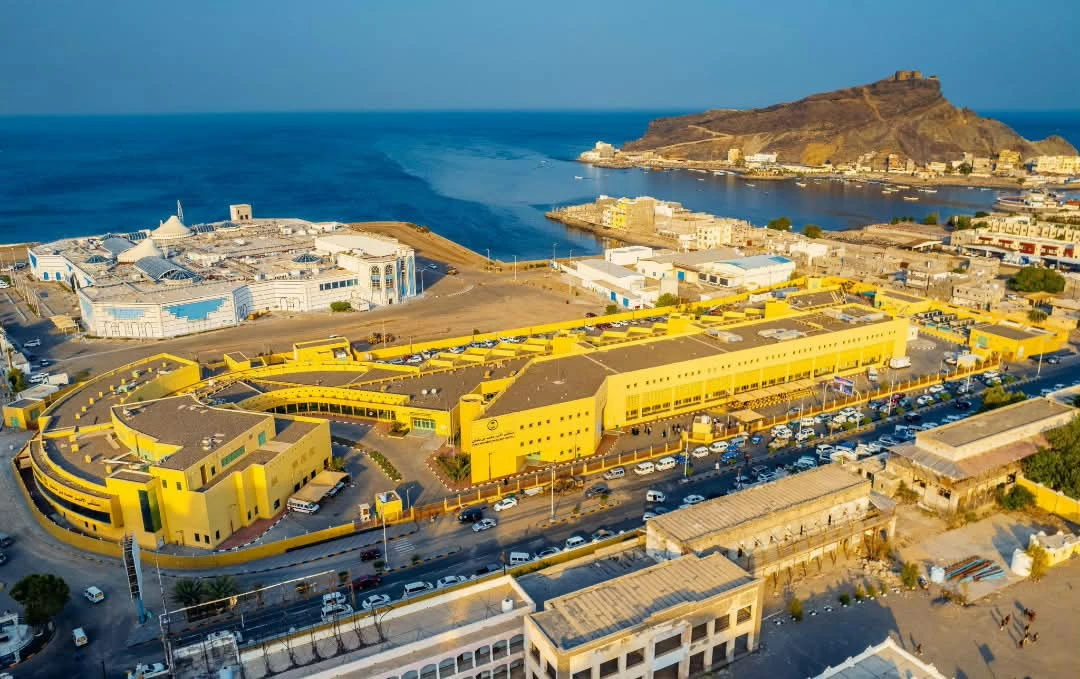
مدينة الملك سلمان الطبية في المهرة.
توجيهات كريمة وأولويات تنموية
وتأتي هذه الجهود المتواصلة امتداداً للتوجيهات الكريمة من القيادة في المملكة العربية السعودية، التي تضع الإنسان اليمني وحاجاته الأساسية في صدارة أولويات الدعم التنموي والإنساني، مؤكدة عمق العلاقات الأخوية والروابط التاريخية التي تجمع بين الشعبين الشقيقين.
40 مشروعاً تُغطي 9 محافظات
واستهدفت المشاريع التنموية للبرنامج دعم المنشآت الطبية لضمان استدامة الخدمات الأساسية وتسهيل الوصول للخدمات الصحية ذات الجودة العالية، مع التركيز على تطوير وتنمية إمكانات رأس المال البشري وتوفير خدمات الرعاية بكفاءة وفعالية، إذ أثمرت هذه الجهود الشاملة عن تحقيق أرقام وإنجازات استثنائية تمثلت في تقديم الدعم لـ26 منشأة طبية في أنحاء اليمن عبر 40 مشروعاً ومبادرة صحية، استفاد منها أكثر من 4,486,847 مواطناً يمنياً، وتغطية 9 محافظات بالدعم الطبي والاستجابة للحالات الطارئة.
وفي هذا السياق، شمل الدعم النوعي للبرنامج توفير 43,601 من الأجهزة والمعدات الطبية المتطورة للارتقاء بجودة الخدمات، وتقديم 52,730 دواء وأداة طبية لدعم المستشفيات والمراكز، إلى جانب إنشاء مراكز طبية تخصصية دقيقة لعلاج أمراض الكلى والقلب والأورام، وإنشاء مركز تأهيل الأطفال المعاقين في عدن الذي يقدم خدماته عبر 5 تخصصات علاجية.
بنية تحتية متكاملة ومرافق تخصصية
وتُوجت هذه الإنجازات بإنشاء وتطوير صروح طبية إستراتيجية ومدن تخصصية؛ تقدمتها «مدينة الملك سلمان الطبية والتعليمية بالمهرة» التي تعد صرحاً صحياً وتعليمياً ضخماً على مساحة مليون متر مربع، يضم مستشفى متكاملاً بسعة 110 أسرة وعيادات خارجية وغرف عمليات متطورة.
وبرز «مستشفى الأمير محمد بن سلمان ومركز القلب» كأحد أهم الروافد الصحية بعد تجهيزه بسعة 270 سريراً و14 عيادة تخصصية، ليقدم منذ بدء تشغيله عبر البرنامج أكثر من 4 ملايين خدمة طبية وملايين الاستشارات وآلاف العمليات الجراحية للمواطنين.
خدمات صحية تمس الأرياف والمناطق الأشد احتياجاً
وامتدت الخريطة التنموية للبرنامج لتمس الحاجات المباشرة في المناطق الأشد احتياجاً عبر إنشاء وتشغيل مستشفيات ريفية ومراكز طوارئ توليدية في محافظات تعز (المواسط)، ولحج (رأس العارة)، والضالع؛ بهدف تحسين صحة الأم والطفل، بالتوازي مع تشغيل مراكز تخصصية نوعية تشمل مركز غسل الكلى بالمهرة، ومركز علاج الأورام بتعز، ومستشفى جامعة حضرموت ومركز علاج الأورام، فضلاً عن التشغيل الكامل للمستشفيات والمرافق الصحية في سقطرى، وشبوة، والمخا.
ولضمان استدامة العمليات الطبية وتوفير أداء صحي أكثر كفاءة، صب البرنامج جل اهتمامه على الدعم اللوجستي وتطوير البنية التحتية، من خلال إعادة تأهيل وتطوير هيئة مستشفى مأرب العام ومستشفى 26 سبتمبر بمأرب، وتوقيع اتفاقيات مع وزارة الصحة اليمنية لإنشاء صناديق دعم وتطوير المرافق الصحية النوعية وبناء قدرات الكوادر الطبية المحلية.
دعم سعودي للمستشفيات اليمنية.
تأمين الوقود وبنية تحتية متطورة
ورافق هذا التحول الإنشائي تأمين موثوقية كهربائية بنسبة 100% في المنشآت الصحية عبر توفير منظومات طاقة مستقلة وآمنة تحقق تغطية لكامل حاجات المرافق، إضافة إلى دعم استمرارية الخدمات الطبية من خلال منح المشتقات النفطية السعودية التي تضمن تشغيل محطات الكهرباء المغذية للمستشفيات والمنشآت الحيوية، وهو ما انعكس بشكل مباشر على استمرارية تشغيل المنشآت، ورفع جاهزية المستشفيات والمراكز، وتعزيز كفاءة وجودة الخدمات العلاجية المقدمة.
وقد أسهم هذا الدعم السخي المباشر في إحداث فارق ملموس على أرض الواقع، إذ نقل المنشآت الطبية المستهدفة من مرحلة التعثر ومواجهة شح الموارد إلى مرحلة الجاهزية التشغيلية القصوى، ما خفف العبء الاقتصادي والصحي عن كاهل آلاف الأسر اليمنية التي كانت تتكبد مشقة السفر والتكاليف الباهظة طلباً للعلاج في الخارج.
تمكين الكوادر اليمنية وفق المعايير العالمية
ولم يقتصر الأثر الإيجابي لمنظومة الدعم على تقديم الرعاية المباشرة للمرضى فحسب، بل امتد ليشمل بناء قدرات الكوادر الطبية والإدارية المحلية عبر برامج تدريبية وتأهيلية مكثفة، هدفت إلى تمكين رأس المال البشري اليمني من إدارة المرافق الصحية الحديثة وفق أعلى المعايير التخصصية المعتمدة، بما يضمن استدامة الخدمات على المدى الطويل.
ويُجسّد «البرنامج السعودي لتنمية وإعمار اليمن» عبر هذه المنظومة المتكاملة نموذجاً متقدماً في الانتقال من الاستجابة الإغاثية الطارئة إلى مرحلة التنمية المستدامة، إذ أحدثت المشاريع المنفذة تحولاً جذرياً في بيئة الرعاية الصحية، ومكّنت المرافق الطبية في مختلف المحافظات اليمنية من استعادة طاقتها الاستيعابية وكفاءتها التشغيلية كاملة.
وترتكز الرؤية التنموية للمملكة في قطاع الصحة على شمولية التغطية الجغرافية ونوعية الخدمات، إذ أتاحت التقنيات الحديثة والأجهزة التشخيصية المتطورة التي وفرها البرنامج للفرق الطبية المحلية إجراء عمليات جراحية نوعية وتخصصية داخل اليمن، فيما شكلت مراكز غسل الكلى وعلاج الأورام شريان حياة حقيقياً لآلاف المرضى عبر تقديم الجلسات والرعاية الكيماوية والمتابعة الدورية مجاناً.
يُذكر أن «البرنامج السعودي لتنمية وإعمار اليمن» قدم أكثر من 300 مشروع ومبادرة تنموية حيوية، شملت مختلف المحافظات اليمنية عبر 8 قطاعات أساسية، تضمنت الصحة، والتعليم، والمياه، والطاقة، والنقل، والزراعة والثروة السمكية، وبناء قدرات المؤسسات الحكومية، والبرامج التنموية.
وتأتي هذه المشاريع الشاملة امتداداً للحرص المستمر على دعم تعافي الاقتصاد اليمني، وتحسين مستوى المعيشة، وتوفير الفرص التنموية والخدمية الأساسية للشعب اليمني.
The Kingdom of Saudi Arabia continues to enhance its humanitarian and developmental role in Yemen through its developmental program "The Saudi Program for the Development and Reconstruction of Yemen," achieving qualitative steps in strengthening the capabilities of the health sector through a comprehensive strategy that focuses on establishing, developing, and equipping hospitals and specialized medical centers, and improving the efficiency of therapeutic services to ensure the sustainability of healthcare for Yemeni citizens.
مدينة الملك سلمان الطبية في المهرة.
Noble Directives and Development Priorities
These ongoing efforts are an extension of the noble directives from the leadership in the Kingdom of Saudi Arabia, which places the Yemeni individual and their basic needs at the forefront of developmental and humanitarian support priorities, affirming the depth of the brotherly relations and historical ties that bind the two brotherly peoples.
40 Projects Covering 9 Governorates
The developmental projects of the program aimed to support medical facilities to ensure the sustainability of essential services and facilitate access to high-quality health services, focusing on developing and enhancing human capital capabilities and providing healthcare services efficiently and effectively. These comprehensive efforts have resulted in achieving exceptional numbers and accomplishments, represented in providing support to 26 medical facilities across Yemen through 40 health projects and initiatives, benefiting more than 4,486,847 Yemeni citizens, and covering 9 governorates with medical support and emergency response.
In this context, the program's qualitative support included providing 43,601 advanced medical devices and equipment to enhance the quality of services, and supplying 52,730 medications and medical tools to support hospitals and centers, in addition to establishing specialized medical centers for treating kidney, heart, and cancer diseases, and creating a rehabilitation center for disabled children in Aden that offers services across 5 therapeutic specialties.
Integrated Infrastructure and Specialized Facilities
These achievements culminated in the establishment and development of strategic medical edifices and specialized cities, led by the "King Salman Medical and Educational City in Al-Mahrah," which is a massive health and educational edifice covering an area of one million square meters, including a fully equipped hospital with a capacity of 110 beds, outpatient clinics, and advanced operating rooms.
The "Prince Mohammed bin Salman Hospital and Heart Center" emerged as one of the most important health facilities after being equipped with a capacity of 270 beds and 14 specialized clinics, providing more than 4 million medical services and millions of consultations and thousands of surgeries to citizens since it began operating through the program.
Healthcare Services Touching Rural Areas and Those in Greatest Need
The program's developmental map extended to address immediate needs in the most underserved areas by establishing and operating rural hospitals and emergency obstetric centers in the governorates of Taiz (Al-Mawaset), Lahij (Ras Al-Arah), and Al-Dhale; aiming to improve maternal and child health, in parallel with the operation of specialized centers, including a kidney dialysis center in Al-Mahrah, a cancer treatment center in Taiz, and Hadramout University Hospital and Cancer Treatment Center, in addition to the full operation of hospitals and health facilities in Socotra, Shabwa, and Al-Mokha.
To ensure the sustainability of medical operations and provide more efficient healthcare performance, the program focused heavily on logistical support and infrastructure development, by rehabilitating and developing the Marib General Hospital and the September 26 Hospital in Marib, and signing agreements with the Yemeni Ministry of Health to establish support funds and develop quality health facilities and build the capacities of local medical staff.
دعم سعودي للمستشفيات اليمنية.
Securing Fuel and Advanced Infrastructure
This construction transformation was accompanied by securing 100% electrical reliability in health facilities through providing independent and safe energy systems that meet the full needs of the facilities, in addition to supporting the continuity of medical services by granting Saudi oil derivatives that ensure the operation of electricity stations supplying hospitals and vital facilities, which directly reflected on the continuity of facility operations, enhancing the readiness of hospitals and centers, and improving the efficiency and quality of therapeutic services provided.
This generous direct support has made a tangible difference on the ground, as it has moved the targeted medical facilities from a state of stagnation and resource scarcity to a state of maximum operational readiness, alleviating the economic and health burden on thousands of Yemeni families who were suffering the hardships of travel and exorbitant costs seeking treatment abroad.
Empowering Yemeni Staff According to Global Standards
The positive impact of the support system was not limited to providing direct care to patients only, but extended to building the capacities of local medical and administrative staff through intensive training and qualification programs aimed at empowering Yemeni human capital to manage modern health facilities according to the highest accredited specialized standards, ensuring the sustainability of services in the long term.
The "Saudi Program for the Development and Reconstruction of Yemen" embodies through this integrated system an advanced model in transitioning from emergency relief response to sustainable development, as the implemented projects have brought about a radical transformation in the healthcare environment, enabling medical facilities in various Yemeni governorates to regain their full capacity and operational efficiency.
The Kingdom's developmental vision in the health sector is based on comprehensive geographical coverage and quality of services, as the modern technologies and advanced diagnostic devices provided by the program have enabled local medical teams to perform specialized surgical operations within Yemen, while dialysis and cancer treatment centers have become a real lifeline for thousands of patients by providing sessions, chemotherapy care, and regular follow-ups for free.
It is noteworthy that the "Saudi Program for the Development and Reconstruction of Yemen" has provided more than 300 vital developmental projects and initiatives, covering various Yemeni governorates across 8 essential sectors, including health, education, water, energy, transport, agriculture and fisheries, building the capacities of government institutions, and developmental programs.
These comprehensive projects come as an extension of the continuous commitment to support the recovery of the Yemeni economy, improve living standards, and provide essential developmental and service opportunities for the Yemeni people.