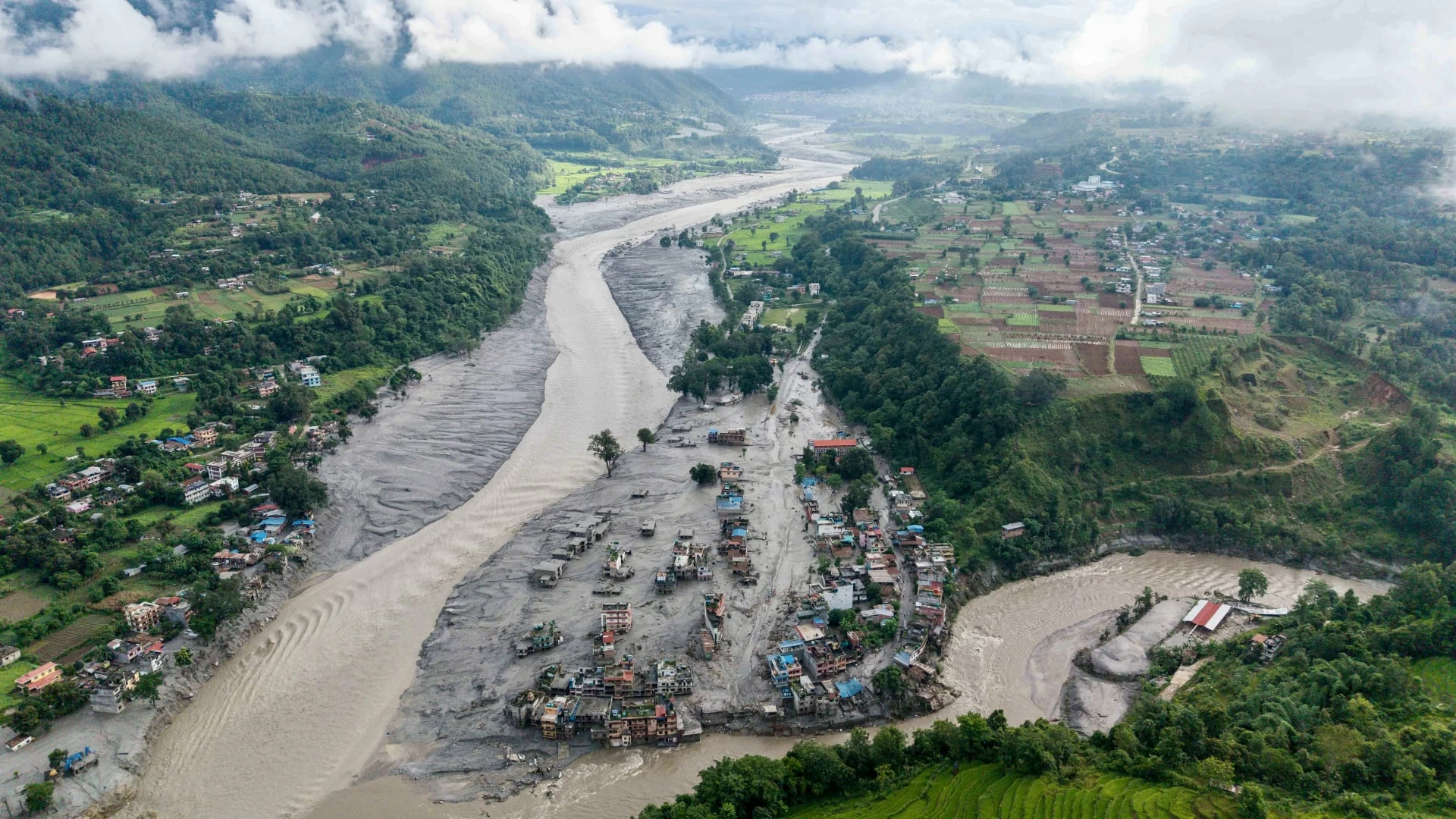
لا تتوقف تداعيات فيضانات نيبال عند الخسائر البشرية والمادية وتشريد السكان، إذ تلوح مخاطر صحية جديدة مع انحسار المياه، في ظل احتمالات تلوث مصادر الشرب واختلاط مياه الفيضانات بمياه الصرف الصحي ومخلفات الحيوانات والمواد الكيميائية والطين وملوثات أخرى.
وبحسب إرشادات صحية أوردها موقع «تايمز ناو»، فإن انهيار شبكات الصرف الصحي وتلوث مصادر مياه الشرب، إلى جانب صعوبة الوصول إلى الخدمات الطبية، قد يرفع مخاطر الإصابة بأمراض معدية خلال مرحلة التعافي من الكارثة.
لماذا تمثل مياه الفيضانات خطرًا؟
قد تحمل مياه الفيضانات البكتيريا والفايروسات والطفيليات الناتجة عن مياه الصرف الصحي والمراحيض الفائضة والمخلفات الزراعية والحيوانية، إضافة إلى مواد كيميائية وملوثات أخرى.
وتنتقل العدوى عند ابتلاع المياه الملوثة، أو تناول أطعمة لامستها، أو لمس الفم أو الأنف أو العينين بأيدٍ ملوثة، كما يمكن أن تدخل الجراثيم إلى الجسم عبر الجروح والخدوش عند ملامسة المياه الملوثة.
ولا يعني صفاء المياه أو ظهورها بمظهر نظيف أنها آمنة للاستخدام، إذ قد تحتوي على ملوثات لا يمكن رؤيتها بالعين المجردة.
أمراض تهدد الناجين
ويزداد خطر الإصابة بأمراض الإسهال والتهابات الجهاز الهضمي عقب الفيضانات، وما يصاحبها من قيء وتقلصات في المعدة، فيما تمثل الكوليرا مصدر قلق خاص عند تضرر شبكات المياه والصرف الصحي.
كما قد تنتشر حمى التيفوئيد نتيجة تلوث المياه والأطعمة وسوء الصرف الصحي، إلى جانب التهاب الكبد «A» و«E»، وهما مرضان فايروسيان يمكن انتقالهما عبر المياه والأطعمة الملوثة، وقد تتسببان في الإرهاق والغثيان وآلام البطن واصفرار الجلد والعينين.
ويبرز كذلك خطر داء البريميات، الذي ينتقل عبر المياه أو التربة الملوثة ببول الحيوانات المصابة، خصوصًا مع التعرض لفترات طويلة للمياه الراكدة أو التربة الرطبة.
وقد تؤدي ملامسة مياه الفيضانات للجروح والخدوش إلى التهابات جلدية، فيما يمكن أن تزداد التهابات الجهاز التنفسي داخل مراكز الإيواء المكتظة، نتيجة التقارب بين الأشخاص وضعف التهوية.
كيف يمكن الوقاية؟
وينصح الخبراء بتجنب ملامسة مياه الفيضانات قدر الإمكان، وفي حال الاضطرار إلى دخولها استخدام أحذية وملابس واقية، ثم غسل الجلد جيدًا بالماء النظيف والصابون بعد التعرض لها.
كما ينبغي استخدام مياه آمنة للشرب والطهي وتنظيف الأسنان وإعداد الثلج، والالتزام بتعليمات السلطات بشأن صلاحية مياه الصنبور. وعند الشك في سلامة مصدر المياه، يجب الاعتماد على المياه المعبأة أو المياه المعالجة بطريقة مناسبة.
ويُنصح بالتخلص من أي طعام لامس مياه الفيضانات، مع غسل اليدين بصورة متكررة، خصوصًا قبل تناول الطعام أو إعداده وبعد استخدام المرحاض أو تنظيف الأماكن الملوثة.
أما الجروح والخدوش، فينبغي إبقاؤها نظيفة ومغطاة بضمادات مقاومة للماء، مع طلب الرعاية الطبية إذا زاد الألم أو التورم أو الاحمرار، أو ظهرت إفرازات صديدية.
أعراض تستوجب الرعاية
وتتطلب بعض الأعراض الحصول على رعاية طبية عاجلة، بينها الإسهال المستمر، والقيء المتكرر، والحمى المرتفعة، وآلام البطن الشديدة، وعلامات الجفاف، وصعوبة التنفس، واصفرار الجلد أو العينين، والضعف المتزايد.
وتزداد احتمالات المضاعفات لدى الأطفال وكبار السن والأشخاص الذين يعانون ضعفًا في جهاز المناعة.
ومع انحسار مياه الفيضانات، لا تنتهي المخاطر بالضرورة؛ فقد تبدأ مرحلة جديدة من التحديات الصحية المرتبطة بتلوث المياه والغذاء وانتشار العدوى، ما يجعل توفير مياه شرب آمنة، والحفاظ على النظافة الشخصية، والتعامل السليم مع الأغذية، وسرعة الحصول على الرعاية الطبية عوامل أساسية لحماية الناجين خلال مرحلة التعافي.
The repercussions of the floods in Nepal do not stop at human and material losses and the displacement of residents, as new health risks loom with the receding waters, amid the possibility of contamination of drinking sources and the mixing of floodwaters with sewage, animal waste, chemicals, mud, and other pollutants.
According to health guidelines reported by the "Times Now" website, the collapse of sewage networks and the contamination of drinking water sources, along with difficulties in accessing medical services, may increase the risk of infectious diseases during the recovery phase from the disaster.
Why do floodwaters pose a risk?
Floodwaters can carry bacteria, viruses, and parasites resulting from sewage, overflowing toilets, and agricultural and animal waste, in addition to chemicals and other pollutants.
Infection can occur when contaminated water is ingested, when food that has touched it is consumed, or when the mouth, nose, or eyes are touched with contaminated hands. Germs can also enter the body through cuts and scratches when in contact with contaminated water.
The clarity of the water or its appearance as clean does not mean it is safe for use, as it may contain contaminants that are not visible to the naked eye.
Diseases threatening survivors
The risk of diarrhea and gastrointestinal infections increases after floods, accompanied by vomiting and stomach cramps, while cholera is a particular concern when water and sewage networks are damaged.
Typhoid fever may also spread due to contaminated water and food and poor sanitation, along with hepatitis A and E, which are viral diseases that can be transmitted through contaminated water and food, potentially causing fatigue, nausea, abdominal pain, and jaundice.
There is also the risk of leptospirosis, which is transmitted through water or soil contaminated with the urine of infected animals, especially with prolonged exposure to stagnant water or wet soil.
Contact with floodwaters can lead to skin infections, and respiratory infections may increase in overcrowded shelters due to close proximity between individuals and poor ventilation.
How can prevention be achieved?
Experts recommend avoiding contact with floodwaters as much as possible, and if it is necessary to enter them, to use protective shoes and clothing, followed by thoroughly washing the skin with clean water and soap after exposure.
Safe water should be used for drinking, cooking, cleaning teeth, and making ice, and adherence to authorities' instructions regarding the safety of tap water is essential. If there is doubt about the safety of a water source, reliance should be on bottled water or water treated appropriately.
Any food that has come into contact with floodwaters should be discarded, and hands should be washed frequently, especially before eating or preparing food and after using the toilet or cleaning contaminated areas.
As for cuts and scratches, they should be kept clean and covered with waterproof bandages, and medical care should be sought if pain, swelling, or redness increases, or if pus appears.
Symptoms that require care
Some symptoms require urgent medical attention, including persistent diarrhea, repeated vomiting, high fever, severe abdominal pain, signs of dehydration, difficulty breathing, jaundice, and increasing weakness.
The likelihood of complications increases among children, the elderly, and individuals with weakened immune systems.
As floodwaters recede, the risks do not necessarily end; a new phase of health challenges related to water and food contamination and the spread of infections may begin, making the provision of safe drinking water, maintenance of personal hygiene, proper food handling, and prompt access to medical care essential factors for protecting survivors during the recovery phase.