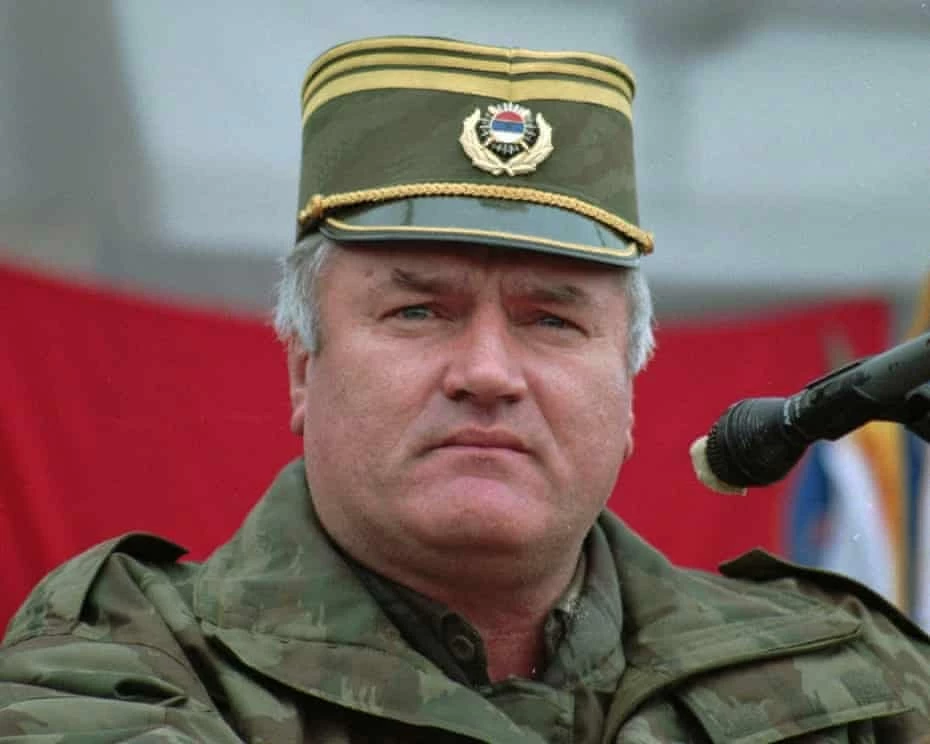
توفي الجنرال الصربي السابق راتكو ملاديتش، الذي كان يقضي حكمًا بالسجن مدى الحياة بعد إدانته بارتكاب إبادة جماعية وجرائم حرب خلال حرب البوسنة في تسعينيات القرن الماضي، داخل أحد مستشفيات لاهاي، عن عمر ناهز 83 عامًا، وفق ما أكده آلية الأمم المتحدة الدولية لتصريف الأعمال المتبقية للمحاكم الجنائية.
وكان ملاديتش، الذي اشتهر بلقب «جزار البوسنة»، أحد أبرز مهندسي سياسة التطهير العرقي التي شهدتها الحرب، وأدين خصوصًا لدوره في التخطيط لمجزرة سريبرينيتسا عام 1995، التي قُتل خلالها ما لا يقل عن 8 آلاف مسلم بوسني، في أسوأ مذبحة تشهدها أوروبا منذ الحرب العالمية الثانية.
وأكدت الآلية الدولية أن ملاديتش توفي في المستشفى في لاهاي، مشيرة إلى أن القاضية جراسييلا جاتي سانتانا أمرت بإجراء تحقيق شامل في ملابسات وفاته.
تدهور صحي ونهاية خلف القضبان
كان ملاديتش يعاني تدهورًا صحيًا حادًا خلال السنوات الأخيرة، بعدما تعرض لسلسلة من الجلطات الدماغية، كما أصيب بنوبة قلبية عام 2013.
وفي وقت سابق من الشهر الجاري، قال طبيب تابع للأمم المتحدة إن وفاة ملاديتش «قد تحدث في أي وقت» وربما خلال أسابيع، لكن طلبًا للإفراج عنه لأسباب صحية رُفض مجددًا.
وكان نجله داركو ملاديتش قد تحدث قبل إعلان الوفاة عن التدهور المتزايد في الحالة الصحية لوالده، قبل أن يبث التلفزيون الرسمي الصربي خبر وفاته.
«تجسيد للشر»
وصف مفوض الأمم المتحدة السابق لحقوق الإنسان زيد رعد الحسين، ملاديتش عقب إدانته بأنه «تجسيد للشر»، بعدما أصبح واحدًا من أكثر الشخصيات إثارة للجدل والاشمئزاز في حرب أودت بحياة أكثر من 100 ألف شخص وشردت أكثر من مليون آخرين.
وكان ملاديتش قد أصدر أوامر لقواته باستخدام أقصى درجات العنف ضد المسلمين البوسنيين، كما تفاخر في مناسبات سابقة بأنه «إله صربي».
وفي عام 2017، أصدرت محكمة تابعة للأمم المتحدة حكمًا بالسجن مدى الحياة بحقه، بعد إدانته بالإبادة الجماعية وجرائم الحرب وجرائم ضد الإنسانية التي ارتُكبت خلال حرب البوسنة.
16 عامًا من الهروب
ظل ملاديتش هاربًا من العدالة لمدة 16 عامًا، قبل أن تعتقله السلطات الصربية عام 2011.
وخلال تلك الفترة، أصبح أحد أبرز المطلوبين لدى القضاء الدولي، في وقت ظل يحظى بدعم قطاعات من القوميين الصرب الذين اعتبروه بطلًا دافع عن مصالح الصرب خلال الحرب.
وبعد اعتقاله، لم يبدِ مقاومة تُذكر، لكنه واصل رفض الاتهامات الموجهة إليه، مؤكدًا أنه كان مجرد رجل عادي اختير لحماية شعبه.
وخلال إحدى جلسات المحكمة عام 2014، قال ملاديتش: «أنا لا أعترف بهذه المحكمة»، وعندما صدر الحكم بحقه عام 2017 صاح: «كل هذا أكاذيب، أنتم جميعًا كاذبون!».
حصار سراييفو.. مدينة تحت القصف
كان ملاديتش أحد أبرز المسؤولين العسكريين عن حصار العاصمة البوسنية سراييفو، التي تعرضت لأكثر من ثلاثة أعوام لقصف متواصل بالمدفعية والدبابات ونيران القناصة.
وأسفر الحصار عن مقتل نحو 10 آلاف شخص، في واحدة من أطول وأعنف عمليات الحصار في التاريخ الأوروبي الحديث.
وكان الهدف الذي سعت القيادة الصربية إلى تنفيذه، بحسب ما خلصت إليه المحكمة الجنائية الدولية ليوغوسلافيا السابقة، هو الطرد القسري للمسلمين البوسنيين والكروات وغير الصرب من مناطق واسعة من البوسنة، تمهيدًا لإقامة كيان صربي أوسع.
ووجدت المحكمة أن ملاديتش، إلى جانب الرئيس الصربي الراحل سلوبودان ميلوشيفيتش والزعيم السياسي لصرب البوسنة رادوفان كاراديتش، كانوا جزءًا من مؤامرة إجرامية هدفت إلى تنفيذ هذا المخطط.
سريبرينيتسا.. المجزرة التي هزت أوروبا
وبلغت حملة القوات الصربية ذروتها في مجزرة سريبرينيتسا عام 1995.
وبعد انسحاب قوات حفظ السلام الهولندية التابعة للأمم المتحدة من المنطقة، جرى تجميع آلاف الرجال والفتيان المسلمين البوسنيين، قبل قتلهم ودفن جثثهم في مقابر جماعية، فيما استخدمت الجرافات لإخفاء آثار الجريمة.
وكانت سريبرينيتسا قد أعلنتها الأمم المتحدة منطقة «آمنة»، إلا أن ذلك لم يمنع قوات ملاديتش من اقتحامها وارتكاب واحدة من أسوأ المجازر في القارة الأوروبية منذ الحرب العالمية الثانية.
وسجلت الكاميرات ملاديتش أثناء دخوله المدينة، وهو يتحدث عن انتصاره ويخاطب قواته، بينما قال أمام الكاميرا: «نهدي هذه المدينة إلى الشعب الصربي»، وقدم ما حدث باعتباره انتقامًا من المسلمين الأتراك الذين حكموا المنطقة في عهد الإمبراطورية العثمانية.
وفي اليوم التالي، ظهرت قواته في تسجيلات وهي توزع الحلوى على الأطفال وتعد السكان بالمرور الآمن، في الوقت الذي كان فيه آلاف الرجال والفتيان يُقتادون تمهيدًا لإعدامهم.
قوات حفظ السلام رهائن
وفي عام 1995، عندما حاول حلف شمال الأطلسي «ناتو» الضغط على قوات ملاديتش من خلال التهديد بشن ضربات جوية محدودة، ردت قواته باحتجاز عدد من عناصر قوات حفظ السلام التابعة للأمم المتحدة واستخدامهم دروعًا بشرية، بعدما قيدتهم في مواقع يُرجح أن تكون أهدافًا للغارات.
من ضابط يوغوسلافي إلى قائد قوات صرب البوسنة
ولد ملاديتش، بحسب عائلته، في مارس 1943 بقرية بوزينوفيتشي الصغيرة في البوسنة، إلا أن الوثائق الرسمية تشير إلى أن تاريخ ميلاده يعود إلى عام 1942.
وكان والده من أنصار المقاومة خلال الحرب العالمية الثانية وقُتل عام 1945.
التحق ملاديتش بجيش يوغوسلافيا الشعبي الشيوعي، وبدأ مسيرته العسكرية في الوقت الذي كانت فيه يوغوسلافيا تتجه نحو التفكك عام 1991.
ومع اندلاع الحرب في البوسنة عام 1992، بعدما أعلن المسلمون البوسنيون استقلال البلاد، اختير ملاديتش لقيادة الجيش الجديد لصرب البوسنة، الذي تمكن سريعًا من السيطرة على نحو 70% من أراضي البلاد.
وفرضت قواته حصارًا على عشرات البلدات باستخدام أسلحة ثقيلة كانت تابعة سابقًا لجيش يوغوسلافيا الشعبي، كما أُحرقت قرى عديدة، بينما وقفت قوة حماية الأمم المتحدة، التي بلغ قوامها نحو 22 ألف جندي، عاجزة إلى حد كبير بسبب أوامرها بعدم الانحياز إلى أي طرف.
نهاية الحرب وبداية المطاردة
بدأ ميزان القوى يتغير تدريجيًا نتيجة الضغوط الغربية وضربات ناتو، إلى جانب الدعم السري الأمريكي بالأسلحة والتدريب للقوات الكرواتية والمسلمين البوسنيين.
وبعد انتهاء الحرب، اختبأ ملاديتش، بينما لم تجرؤ الحكومات الإصلاحية التي تولت الحكم في صربيا بعد الحرب على التحرك ضده سريعًا، بسبب استمرار اعتباره بطلًا لدى شريحة من القوميين الصرب.
لكن المطاردة الدولية استمرت حتى اعتقاله في 2011، ليُقدم بعدها إلى العدالة الدولية التي حكمت عليه بالسجن مدى الحياة.
«جريمة لا تسقط بالتقادم»
من جانبها، قالت إليزابيث إيفنسون، مديرة العدالة الدولية في منظمة «هيومن رايتس ووتش»، إن وفاة ملاديتش، الذي أدين بالإبادة الجماعية، بما في ذلك قتل ما يصل إلى 8 آلاف رجل وفتى بوسني بعد سقوط سريبرينيتسا في يوليو 1995، تذكّر بالحاجة المستمرة إلى العدالة والحقيقة وجبر الضرر في منطقة غرب البلقان.
وأضافت أن تحقيق المساءلة الكاملة عن مثل هذه الجرائم المروعة، في البوسنة وغيرها، يتطلب التزام الحكومات بتحقيق العدالة حتى بعد مرور عقود على وقوع الجرائم.
The former Serbian general Ratko Mladić, who was serving a life sentence after being convicted of genocide and war crimes during the Bosnian War in the 1990s, died in a hospital in The Hague at the age of 83, as confirmed by the United Nations International Residual Mechanism for Criminal Tribunals.
Mladić, known as the "Butcher of Bosnia," was one of the main architects of the ethnic cleansing policies witnessed during the war, and he was particularly convicted for his role in planning the Srebrenica massacre in 1995, during which at least 8,000 Bosniak Muslims were killed, marking the worst massacre in Europe since World War II.
The international mechanism confirmed that Mladić died in the hospital in The Hague, noting that Judge Graciela Gatti Santana ordered a comprehensive investigation into the circumstances of his death.
Health Deterioration and End Behind Bars
Mladić had been suffering from severe health deterioration in recent years after suffering a series of strokes, and he had a heart attack in 2013.
Earlier this month, a United Nations doctor stated that Mladić's death "could happen at any time," possibly within weeks, but a request for his release on health grounds was denied again.
His son, Darko Mladić, spoke before the announcement of his father's death about the worsening health condition of his father, before Serbian state television broadcast the news of his death.
"Embodiment of Evil"
The former United Nations High Commissioner for Human Rights, Zeid Ra'ad Al Hussein, described Mladić after his conviction as the "embodiment of evil," after he became one of the most controversial and reviled figures in a war that claimed the lives of over 100,000 people and displaced more than a million others.
Mladić had ordered his forces to use the utmost violence against Bosniak Muslims and had boasted on previous occasions that he was a "Serbian god."
In 2017, a court affiliated with the United Nations sentenced him to life in prison after convicting him of genocide, war crimes, and crimes against humanity committed during the Bosnian War.
16 Years on the Run
Mladić remained a fugitive from justice for 16 years before being arrested by Serbian authorities in 2011.
During that time, he became one of the most wanted individuals by international justice, while still enjoying support from sectors of Serbian nationalists who considered him a hero defending Serbian interests during the war.
After his arrest, he showed little resistance but continued to deny the charges against him, asserting that he was merely an ordinary man chosen to protect his people.
During one court session in 2014, Mladić said, "I do not recognize this court," and when the verdict was issued against him in 2017, he shouted, "All of this is lies, you are all liars!"
Siege of Sarajevo.. A City Under Bombardment
Mladić was one of the key military officials responsible for the siege of the Bosnian capital, Sarajevo, which endured more than three years of continuous artillery and tank bombardment, as well as sniper fire.
The siege resulted in the deaths of around 10,000 people, in one of the longest and most brutal sieges in modern European history.
The objective that the Serbian leadership sought to achieve, according to the findings of the International Criminal Tribunal for the former Yugoslavia, was the forced expulsion of Bosniak Muslims, Croats, and non-Serbs from vast areas of Bosnia, paving the way for the establishment of a larger Serbian entity.
The court found that Mladić, along with the late Serbian President Slobodan Milošević and the political leader of the Bosnian Serbs, Radovan Karadžić, were part of a criminal conspiracy aimed at executing this plan.
Srebrenica.. The Massacre that Shook Europe
The campaign by Serbian forces peaked in the Srebrenica massacre in 1995.
After the withdrawal of Dutch UN peacekeeping forces from the area, thousands of Bosniak Muslim men and boys were gathered before being killed and buried in mass graves, while bulldozers were used to conceal the crime.
Srebrenica had been declared a "safe area" by the United Nations, yet this did not prevent Mladić's forces from storming it and committing one of the worst massacres on the European continent since World War II.
Cameras recorded Mladić as he entered the city, speaking of his victory and addressing his troops, while he stated on camera: "We dedicate this city to the Serbian people," presenting what happened as revenge against the Turkish Muslims who ruled the area during the Ottoman Empire.
The next day, his forces appeared in recordings distributing sweets to children and promising residents safe passage, while thousands of men and boys were being led away in preparation for their execution.
Peacekeepers Taken Hostage
In 1995, when NATO attempted to pressure Mladić's forces by threatening limited airstrikes, his forces responded by taking several UN peacekeepers hostage and using them as human shields, binding them in locations likely to be targets of the airstrikes.
From Yugoslav Officer to Commander of Bosnian Serb Forces
According to his family, Mladić was born in March 1943 in the small village of Bozinovici in Bosnia, although official documents indicate that his birth date is 1942.
His father was a supporter of the resistance during World War II and was killed in 1945.
Mladić joined the Yugoslav People's Army, a communist army, and began his military career at a time when Yugoslavia was heading towards disintegration in 1991.
With the outbreak of the war in Bosnia in 1992, after the Bosniak Muslims declared the country's independence, Mladić was chosen to lead the new army of the Bosnian Serbs, which quickly managed to control about 70% of the country's territory.
His forces laid siege to dozens of towns using heavy weapons that had previously belonged to the Yugoslav People's Army, while many villages were burned, as the United Nations Protection Force, consisting of about 22,000 soldiers, remained largely powerless due to orders not to take sides.
The End of the War and the Beginning of the Hunt
The balance of power began to change gradually due to Western pressures and NATO strikes, along with covert U.S. support in arms and training for Croatian and Bosniak Muslim forces.
After the war ended, Mladić went into hiding, while the reformist governments that took power in Serbia after the war did not dare to move against him quickly, as he continued to be regarded as a hero by a segment of Serbian nationalists.
However, the international hunt continued until his arrest in 2011, after which he was brought to international justice, which sentenced him to life in prison.
"A Crime that Does Not Expire"
For her part, Elizabeth Evenson, director of international justice at Human Rights Watch, stated that the death of Mladić, who was convicted of genocide, including the killing of up to 8,000 Bosniak men and boys after the fall of Srebrenica in July 1995, serves as a reminder of the ongoing need for justice, truth, and reparations in the Western Balkans.
She added that achieving full accountability for such horrific crimes, in Bosnia and elsewhere, requires a commitment from governments to seek justice even decades after the crimes have occurred.