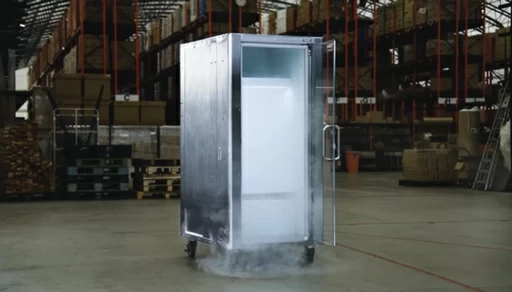
مع تصاعد موجات الحر الشديدة وتسجيل درجات حرارة قياسية غير مسبوقة، لجأت الشركات في اليابان إلى خيار تكنولوجي استثنائي لحماية عمالها من مخاطر الإجهاد الحراري، تمثل في توفير كبائن تبريد فردية صُممت خصيصاً لاستيعاب الأفراد وتُعرف باسم «ثلاجة البشر».
تأتي هذه الوحدة، التي أطلقت عليها شركة «تروسكو ناكاياما» اسم «دو هيمون بوكس»، بحجم يشبه كابينة الهاتف العمومي. وتعتمد فكرتها على ضخ نفاثات قوية ومتواصلة من الهواء شديد البرودة على الموظف بمجرد دخوله، ما يمنحه استراحة خاطفة تضمن خفض درجة حرارة جسده والتخلص من التعرق الشديد خلال دقيقتين فقط.
ورغم طرح الابتكار أخيراً بسعر يصل إلى 1.5 مليون ين ياباني (نحو 9400 دولار أمريكي)، إلا أنه سجل إقبالاً واسعاً، إذ بيعت أكثر من 300 وحدة حتى الآن لمواقع البناء والمصانع والمستودعات. وتتميز الكابينة بالتالي:
- سهولة التشغيل: تعمل عبر مقبس كهربائي عادي، وتتميز بقدرة عالية على التنقل دون استهلاك مفرط للطاقة.
- نظام الأمان الذكي: تتوقف الكابينة تلقائياً بعد مرور 20 دقيقة لمنع الإفراط في التبريد والتأثير السلبي على صحة الموظف.
يأتي هذا التحرك بعد إعلان هيئة الأرصاد الجوية اليابانية عن مصطلح جديد هو «كوكوشوبي» (اليوم شديد الحر) لوصف الأيام التي تلامس فيها درجات الحرارة 40 درجة مئوية. وأدت هذه الارتفاعات الحادة إلى نقل نحو 63 ألف شخص إلى المستشفيات في أنحاء البلاد، فيما سجلت طوكيو وحدها نحو 120 حالة وفاة مرتبطة بالحرارة خلال شهر واحد.
وأصبحت الشركات اليابانية ملزمة قانوناً بتطبيق إجراءات حماية مشددة لعمال الأماكن المفتوحة والمستودعات. وأظهر استطلاع أجرته مؤسسة «تيكوكو داتابانك» أن موجات الحر تسببت في تعطيل عمليات 50% من الشركات، ما دفع 88% منها لتكثيف حلول التكيف المناخي، وجعل الاستثمار في «ثلاجات البشر» وسيلة حتمية لحماية العمال وضمان استمرار الإنتاجية.
With the rise of severe heat waves and the recording of unprecedented record temperatures, companies in Japan have resorted to an exceptional technological option to protect their workers from the risks of heat stress, represented by the provision of individual cooling cabins specifically designed to accommodate individuals, known as "human refrigerators."
This unit, which the company "Trosuko Nakayama" has named "Do Himon Box," is the size of a public telephone booth. Its concept relies on continuously pumping strong jets of extremely cold air onto the employee as soon as they enter, providing them with a quick break that ensures a reduction in their body temperature and relief from excessive sweating in just two minutes.
Despite the innovation being recently launched at a price of 1.5 million Japanese yen (about 9,400 US dollars), it has seen wide demand, with over 300 units sold so far to construction sites, factories, and warehouses. The cabin features the following:
- Ease of operation: It works via a standard electrical outlet and is highly portable without excessive energy consumption.
- Smart safety system: The cabin automatically stops after 20 minutes to prevent overcooling and negative effects on the employee's health.
This move comes after the Japan Meteorological Agency announced a new term, "Kokushubi" (extremely hot day), to describe days when temperatures reach 40 degrees Celsius. These sharp increases have led to approximately 63,000 people being hospitalized across the country, while Tokyo alone recorded about 120 heat-related deaths in just one month.
Japanese companies are now legally obligated to implement strict protective measures for workers in open spaces and warehouses. A survey conducted by the "Teikoku Databank" revealed that heat waves have disrupted operations for 50% of companies, prompting 88% of them to intensify climate adaptation solutions, making investment in "human refrigerators" an essential means to protect workers and ensure productivity continues.