في الظروف الطبيعية، تُعد «الولاعة» أو القداحة أداة متناهية الصغر، يُشترى بعضها بثمن زهيد وتُنسى في أدراج المنازل دون اهتمام. لكن في قطاع غزة اليوم، تحولت هذه القطعة البلاستيكية الصغيرة إلى عملة نادرة يلاحقها النازحون في الأسواق، بعدما قفز سعر الواحدة منها إلى مستويات قياسية وصلت نحو 44 دولاراً (ما يعادل 160 ريالاً سعودياً)!
هذا الارتفاع الهائل لم يكن مجرد غلاء عابر، بل تحول إلى أزمة صامتة تشغل تفكير عائلات النازحين في المخيمات يومياً.
السبب الذي يدفع السكان لدفع هذه المبالغ الخيالية أو البحث عن بدائل مضنية، هو أن الحصول على «شرارة نار» أصبح الخطوة الأولى والأصعب لإعداد طعام الأطفال أو تسخين المياه.
أمام هذا الشح الشديد، أصبحت «الولاعة» الواحدة ملكية مشتركة بين الخيام، حيث تضطر أمهات نازحات إلى انتظار اشتعال النار لدى الجيران لإرسال ورقة صغيرة مع أطفالهن لنقل الشعلة، بينما تحولت قداحة إحدى المسنات في مخيمات النزوح إلى «مقصداً عمومياً» يستعيرها عشرات الجيران طوال النهار لإشعال الحطب وإعداد حليب الرضع.
«مهندس ولاعات».. مهنة جديدة تحت وطأة الحاجة
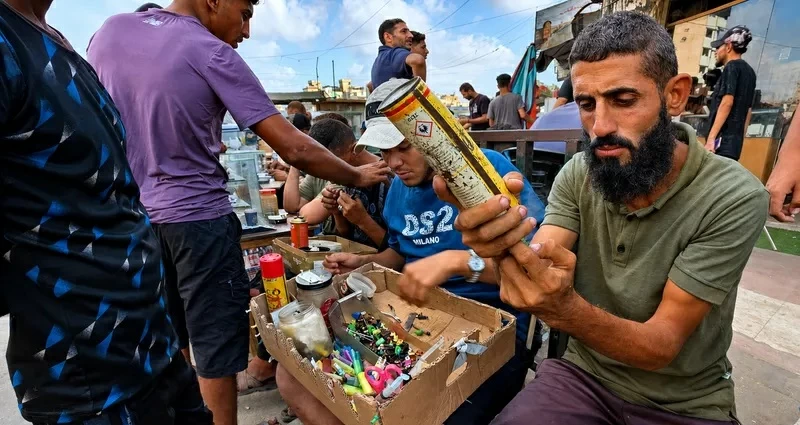
هذا الواقع الغريب أنعش مهنة لم تكن معروفة من قبل، حيث يجلس عمال سابقون وسط أزقة المخيمات محاطين بقداحات تالفة، يعملون على شراء «الولاعات» التالفة أو المنتهية وتفكيكها لاستخراج حجر الإشعال والأجزاء السليمة لإعادة تركيبها في «ولاعات» أخرى.
إصلاح القداحة القديمة مقابل مبالغ بسيطة أصبح الخيار الوحيد لأسر لا تملك رفاهية شراء واحدة جديدة بسعرها المرتفع، في قصة تختزل كيف يمكن لشيء بسيط أن يتحول إلى رمز شاق لمعركة البقاء اليومية.
In normal circumstances, a "lighter" or match is a tiny tool, some of which can be bought for a low price and forgotten in the drawers of homes without much attention. However, in the Gaza Strip today, this small plastic piece has turned into a rare commodity sought after by displaced people in the markets, after the price of one has skyrocketed to record levels reaching about 44 dollars (equivalent to 160 Saudi riyals)!
This massive increase was not just a fleeting rise in prices, but has turned into a silent crisis that occupies the minds of displaced families in the camps daily.
The reason that drives residents to pay these exorbitant amounts or search for exhausting alternatives is that obtaining a "spark of fire" has become the first and most difficult step to prepare food for children or heat water.
In light of this severe scarcity, a single "lighter" has become a shared possession among the tents, where displaced mothers have to wait for their neighbors to light a fire to send a small piece of paper with their children to carry the flame, while the lighter of an elderly woman in the displacement camps has turned into a "public destination" borrowed by dozens of neighbors throughout the day to light firewood and prepare infant milk.
"Lighter Engineer".. A New Profession Under the Weight of Need
This strange reality has revived a profession that was not known before, as former workers sit in the alleys of the camps surrounded by broken lighters, working on buying damaged or expired "lighters" and dismantling them to extract the ignition stone and the intact parts to reassemble them into other "lighters."
Repairing old lighters for small amounts has become the only option for families that do not have the luxury of buying a new one at its high price, in a story that encapsulates how something simple can turn into a challenging symbol of the daily struggle for survival.