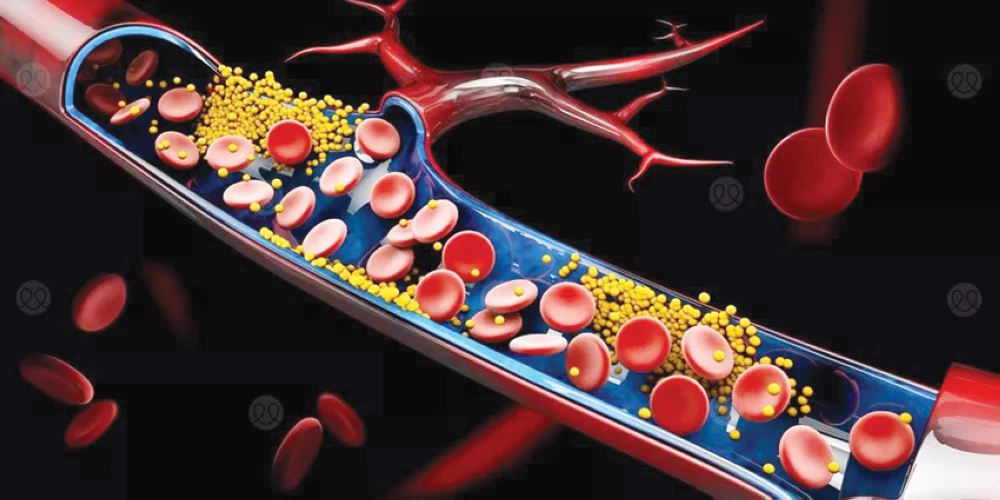
كشفت دراسة استكشافية أجرتها جامعة دريسدن التقنية، ونشرتها مجلة Brain Health العلمية، أن تقنية فصل مكونات الدم (Apheresis)، المصممة لعلاج اضطرابات الكوليسترول الشديدة غير المستجيبة للعلاجات التقليدية، قد تساعد أيضاً في إزالة بعض الملوثات البيئية المستمرة من الدم.
وبعد مقارنة عينات المرضى قبل العلاج وبعده، وجد الباحثون أن التقنية لم تخفض الدهون فقط، بل قللت كذلك مستويات بعض مركبات «المواد الكيميائية الأبدية» (PFAS)، التي يصعب تحللها وتتراكم طويلاً في البيئة والجسم. وتستخدم هذه المركبات في منتجات تشمل الأقمشة المقاومة للماء، والمواد غير اللاصقة، والطلاءات الصناعية.
كيف تخرج الملوثات من الدم؟
ويرجح العلماء أن بعض الملوثات ترتبط بالدهون والبروتينات في الدم، ما يسمح بخروجها مع هذه المكونات عند إزالتها خلال العلاج. كما رصدوا مؤشرات أولية على تغير مستويات جزيئات بلاستيكية قابلة للقياس في الدم، لكنها لا تزال بحاجة إلى مزيد من الدراسة.
وقد تفتح النتائج المجال للنظر إلى تقنيات إزالة الكوليسترول بوصفها أداة محتملة لتقليل تعرض الجسم لبعض الملوثات، والمساعدة في تطوير وسائل أكثر استهدافاً للتعامل مع تراكم مركبات PFAS والجزيئات البلاستيكية الدقيقة، وسط تزايد القلق من انتشارها في البيئة والغذاء والمياه.
نتائج واعدة تحتاج إلى مزيد من الأبحاث
ومع ذلك، شدد الباحثون على أن العلاج لم يصبح وسيلة معتمدة لتنظيف الجسم من السموم؛ فالدراسة ما تزال في مراحلها الأولى، ولم يثبت بعد أن خفض هذه المواد يؤدي إلى تحسن صحي مباشر. وستركز الأبحاث القادمة على فهم علاقتها بالكوليسترول، وإمكان تطوير علاجات تساعد الجسم على التخلص منها بصورة أكثر استهدافاً.
وهكذا، كشف علاج هدفه الأساسي حماية القلب والشرايين عن فائدة إضافية محتملة تتمثل في إزالة بعض أكثر الملوثات صعوبة في التخلص منها.
A exploratory study conducted by the Technical University of Dresden and published in the scientific journal Brain Health revealed that the blood component separation technique (Apheresis), designed to treat severe cholesterol disorders unresponsive to conventional treatments, may also help remove some persistent environmental pollutants from the blood.
After comparing patient samples before and after treatment, researchers found that the technique not only reduced fats but also lowered levels of certain "forever chemicals" (PFAS), which are difficult to break down and accumulate for long periods in the environment and the body. These compounds are used in products including water-resistant fabrics, non-stick materials, and industrial coatings.
How do pollutants exit the blood?
Scientists speculate that some pollutants bind to fats and proteins in the blood, allowing them to be removed along with these components during treatment. They also observed preliminary indicators of changes in measurable plastic particle levels in the blood, but further study is still needed.
The findings may open the door to viewing cholesterol removal techniques as a potential tool for reducing the body's exposure to certain pollutants and assisting in the development of more targeted methods to address the accumulation of PFAS compounds and microplastic particles, amid growing concerns about their prevalence in the environment, food, and water.
Promising results that need further research
However, researchers emphasized that the treatment has not yet become an approved method for detoxifying the body; the study is still in its early stages, and it has not yet been proven that reducing these substances leads to direct health improvement. Upcoming research will focus on understanding their relationship with cholesterol and the potential development of treatments that help the body eliminate them more effectively.
Thus, a treatment primarily aimed at protecting the heart and arteries has revealed an additional potential benefit in removing some of the most difficult pollutants to eliminate.