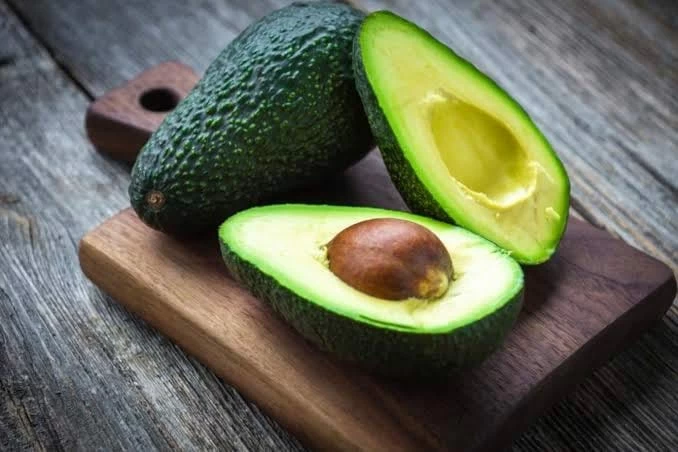
كشفت دراسة أمريكية جديدة أن تناول ثمرة أفوكادو واحدة يوميًا قد يسهم في خفض خطر الإصابة بأمراض القلب بشكل طفيف لدى البالغين المصابين بالسمنة، من خلال تحسين أحد المؤشرات المهمة المرتبطة بصحة القلب والأوعية الدموية، حتى دون إحداث أي تغيير ملحوظ في الوزن.
وأجرى الدراسة باحثون من قسم علوم التغذية بجامعة ولاية بنسلفانيا (Penn State)، ونُشرت نتائجها في دورية Journal of Clinical Lipidology المتخصصة في أبحاث الدهون وأمراض القلب.
انخفاض في جزيئات الكوليسترول الضار
وأظهرت النتائج أن تناول الأفوكادو يوميًا أدى إلى انخفاض تركيز جزيئات البروتين الدهني منخفض الكثافة (LDL)، وهي الجزيئات المسؤولة عن نقل الكوليسترول في الدم، ويرتبط ارتفاع عددها بزيادة خطر الإصابة بأمراض القلب.
وقدر الباحثون أن هذا الانخفاض قد يترجم إلى تراجع بنحو 4% في خطر الإصابة بأمراض القلب.
وقالت الباحثة الرئيسية في الدراسة جانهافي داماني: «إذا أراد الأشخاص تحسين نظامهم الغذائي، فإن إجراء تغيير بسيط واحد قد يكون أكثر واقعية من محاولة تغيير النظام الغذائي بالكامل، وبالنسبة للمصابين بالسمنة قد يكون إدراج ثمرة أفوكادو يوميًا نقطة بداية جيدة».
لماذا لا يكفي قياس الكوليسترول التقليدي؟
أوضحت الدراسة أن قياس عدد جزيئات LDL يختلف عن قياس مستوى الكوليسترول الضار (LDL Cholesterol) المعروف في التحاليل التقليدية، فقد يمتلك شخصان المستوى نفسه من الكوليسترول الضار، لكن أحدهما يحمل هذا الكوليسترول في عدد كبير من الجزيئات الصغيرة، بينما يحمله الآخر في عدد أقل من الجزيئات الكبيرة.
وأكد الباحثون أن الشخص الذي يمتلك عددًا أكبر من الجزيئات الصغيرة يكون أكثر عرضة للإصابة بأمراض القلب، لأن هذه الجزيئات تستطيع اختراق جدران الشرايين بسهولة أكبر، ما يسرّع تكوّن الترسبات الدهنية ويؤدي إلى تضيق الشرايين وفقدان مرونتها.
وعندما يحتاج القلب إلى ضخ كميات أكبر من الدم، سواء أثناء ممارسة الرياضة أو التعرض للإجهاد أو ارتفاع درجات الحرارة، تصبح الشرايين المتصلبة أقل قدرة على الاستجابة، ما قد يؤدي إلى ارتفاع ضغط الدم وزيادة احتمالات الإصابة بأزمات قلبية.
تجربة استمرت 6 أشهر
واعتمدت الدراسة على بيانات 786 مشاركًا ضمن تجربة غذائية استمرت 6 أشهر وشملت بالغين تبلغ أعمارهم 25 عامًا فأكثر.
وشارك في الدراسة رجال يزيد محيط خصرهم على 40 بوصة، ونساء يتجاوز محيط خصرهن 35 بوصة، وهي مؤشرات ترتبط بالسمنة البطنية.
وقُسم المشاركون إلى مجموعتين: الأولى واصلت نظامها الغذائي المعتاد دون أي تغيير، أما الثانية فحافظت على نمط حياتها المعتاد، لكنها تناولت ثمرة أفوكادو واحدة يوميًا طوال مدة الدراسة.
تحسن دون فقدان الوزن
وكانت نتائج سابقة للتجربة نفسها قد أظهرت أن تناول الأفوكادو يوميًا لم يؤدِ إلى انخفاض الوزن أو محيط الخصر لدى المصابين بالسمنة، لكنه ساعد على خفض مستويات الكوليسترول الضار.
وفي التحليل الجديد، قارن الباحثون عينات الدم التي سُحبت قبل بداية الدراسة وبعد انتهائها، ليتبين أن المشاركين الذين تناولوا الأفوكادو شهدوا انخفاضًا متوسطه 49 نانومولًا لكل لتر في عدد جزيئات LDL.
وأشار الباحثون إلى أن هذا التحسن ظهر لدى جميع المشاركين تقريبًا، بغض النظر عن الجنس أو العمر أو العِرق أو مؤشر كتلة الجسم.
وقالت داماني إن انخفاضًا بنسبة 4% يعد تأثيرًا متواضعًا مقارنة بما يمكن تحقيقه من خلال تحسين النظام الغذائي بالكامل، الذي قد يخفض خطر الإصابة بأمراض القلب بنسبة تتراوح بين 14% و29%، إلا أنه يمثل خطوة إيجابية نحو تحسين صحة القلب.
فائدة يمكن تحقيقها في الحياة اليومية
وقالت الأستاذة المشاركة في علوم التغذية المشرفة على الدراسة الدكتورة كريستينا بيترسن إن أبحاثًا سابقة أجرتها الجامعة أثبتت أيضًا قدرة الأفوكادو على خفض الكوليسترول الضار، لكنها كانت تعتمد على التحكم الكامل في النظام الغذائي للمشاركين.
وأضافت أن الدراسة الحالية تعكس ما يحدث في الحياة الواقعية، حيث واصل المشاركون تناول وجباتهم المعتادة، ومع ذلك ظهر تأثير إيجابي لإضافة ثمرة أفوكادو واحدة يوميًا.
توصيات وتحذيرات
ورغم النتائج المشجعة، شدد الباحثون على أن تناول الأفوكادو لا يُعد بديلًا عن اتباع نظام غذائي صحي ومتوازن أو ممارسة النشاط البدني، كما أنه لم يحقق فقدانًا في الوزن.
ونصح فريق الدراسة الأشخاص الراغبين في تعديل نظامهم الغذائي باستشارة طبيب أو اختصاصي تغذية قبل إجراء أي تغييرات، خصوصًا إذا كانوا يعانون أمراضًا مزمنة أو يتبعون أنظمة غذائية علاجية.
وأكد الباحثون أن إدراج الأفوكادو ضمن نظام غذائي متوازن قد يكون وسيلة بسيطة وعملية لتحسين أحد مؤشرات صحة القلب، لكنه ينبغي أن يكون جزءًا من نمط حياة صحي متكامل، وليس الحل الوحيد للوقاية من أمراض القلب.
A new American study has revealed that consuming one avocado a day may slightly reduce the risk of heart disease among obese adults by improving one of the important indicators related to cardiovascular health, even without any noticeable change in weight.
The study was conducted by researchers from the Department of Nutritional Sciences at Penn State University, and its results were published in the Journal of Clinical Lipidology, which specializes in lipid and heart disease research.
Decrease in Harmful Cholesterol Particles
The results showed that daily avocado consumption led to a decrease in the concentration of low-density lipoprotein (LDL) particles, which are responsible for transporting cholesterol in the blood, and an increase in their number is associated with a higher risk of heart disease.
The researchers estimated that this decrease could translate to about a 4% reduction in the risk of heart disease.
The lead researcher of the study, Janhavi Damani, stated: “If people want to improve their diet, making one simple change may be more realistic than trying to change the entire diet, and for those who are obese, incorporating one avocado a day could be a good starting point.”
Why Traditional Cholesterol Measurement Is Not Enough?
The study clarified that measuring the number of LDL particles differs from measuring the level of harmful cholesterol (LDL Cholesterol) known in traditional tests. Two individuals may have the same level of harmful cholesterol, but one may carry this cholesterol in a large number of small particles, while the other carries it in fewer large particles.
The researchers confirmed that a person with a higher number of small particles is more susceptible to heart disease because these particles can penetrate the walls of arteries more easily, accelerating the formation of fatty deposits and leading to narrowing of the arteries and loss of elasticity.
When the heart needs to pump larger amounts of blood, whether during exercise, stress, or high temperatures, the stiffened arteries become less capable of responding, which may lead to high blood pressure and increased chances of heart attacks.
Six-Month Experiment
The study relied on data from 786 participants in a six-month dietary trial that included adults aged 25 and older.
The study included men with a waist circumference greater than 40 inches and women with a waist circumference exceeding 35 inches, which are indicators associated with abdominal obesity.
The participants were divided into two groups: the first continued their usual diet without any changes, while the second maintained their usual lifestyle but consumed one avocado daily throughout the study period.
Improvement Without Weight Loss
Previous results from the same experiment had shown that daily avocado consumption did not lead to weight loss or a reduction in waist circumference among obese individuals, but it did help lower levels of harmful cholesterol.
In the new analysis, the researchers compared blood samples taken before the study began and after it ended, revealing that participants who consumed avocados experienced an average decrease of 49 nanomoles per liter in the number of LDL particles.
The researchers noted that this improvement was observed in nearly all participants, regardless of gender, age, race, or body mass index.
Damani stated that a 4% reduction is a modest effect compared to what can be achieved through a complete dietary overhaul, which may reduce the risk of heart disease by 14% to 29%, yet it represents a positive step toward improving heart health.
Benefits Achievable in Daily Life
Dr. Kristina Petersen, the associate professor of nutritional sciences overseeing the study, noted that previous research conducted by the university also demonstrated the ability of avocados to lower harmful cholesterol, but it relied on complete control of the participants' diet.
She added that the current study reflects what happens in real life, where participants continued to eat their usual meals, yet a positive effect was observed from adding one avocado daily.
Recommendations and Warnings
Despite the encouraging results, the researchers emphasized that consuming avocados is not a substitute for following a healthy and balanced diet or engaging in physical activity, nor did it achieve weight loss.
The study team advised individuals wishing to modify their diet to consult a doctor or a nutritionist before making any changes, especially if they suffer from chronic diseases or are following therapeutic diets.
The researchers confirmed that incorporating avocados into a balanced diet could be a simple and practical way to improve one indicator of heart health, but it should be part of a comprehensive healthy lifestyle and not the sole solution for preventing heart disease.