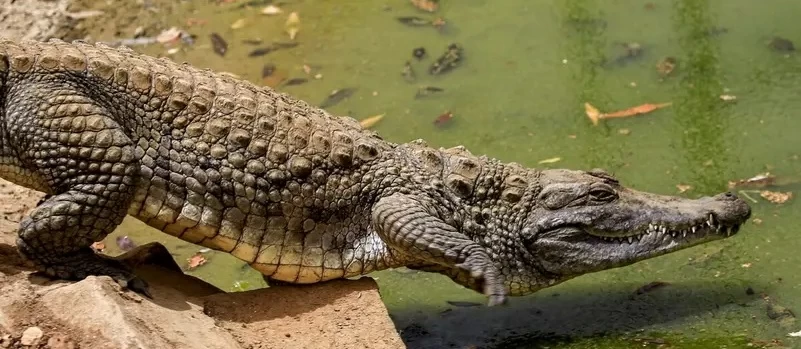
بين مشاهد الاستعراض الجريء وصوت المزارق الخاطفة، لم يعد ظهور التماسيح على ضفاف نهر النيل في السودان مجرد حدث عابر يلفت أنظار المارة، بل تحول إلى ظاهرة مرعبة ومشاهد تحبس الأنفاس، تكشف حالة من العشوائية المتصاعدة في التعامل مع أحد أشرس المفترسات المائية على وجه الأرض.
بين مقطع فيديو لشاب يلهو بتمساح صغير غير مبالٍ بخطورته، ومقاطع أخرى تُوثق مطاردات دموية بالأسلحة النارية، يُطرح السؤال المنتشر في لشارع السوداني: كيف تحولت ضفاف النهر الخالد إلى مسرح للعبث والرصاص الحي؟
بين الاستعراض باليد.. ورصاص «الكلاشينكوف»!
أثارت المقاطع المتداولة أخيرا على منصات التواصل الاجتماعي حالة واسعة من الجدل والمخاوف، بعدما كشفت عن تناقض صارخ في كيفية التعاطي مع التماسيح النيلية:
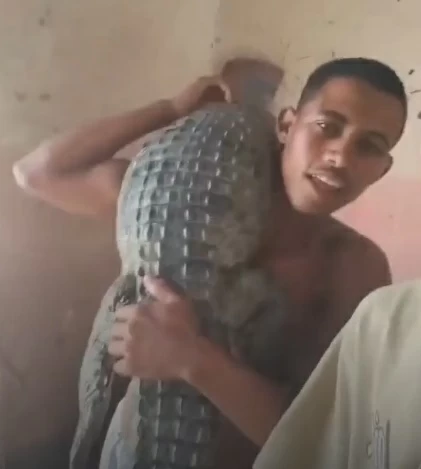
- اللهو باليد: أظهر أحد المقاطع شاباً سودانياً يستعرض بجرأة لهوه، وهو يمسك بتمساح صغير جرى اصطياده حديثاً، ويلهو به أمام عدسة الكاميرا وسط استهانة بالغة بما يمكن أن يسببه هذا الكائن حتى في صغره.
- مطاردة الكلاشينكوف: في الجانب الآخر، ظهر مواطنون سودانيون في مشاهد أخرى وهم يستهدفون تمساحاً يطفو فوق سطح المياه عبر إطلاق زخات من رصاص الكلاشينكوف للفتك به، في المشهد الذي يعكس حالة الرعب والخوف من هجماته المفاجئة.
- تحذيرات الصيادين: يأتي ذلك بعد حادثة صيد شباك علق بها تمساح ضخم، حيث سارع الصياد لتوجيه نداءات عاجلة للأهالي بالابتعاد عن الشواطئ بسبب الانتشار الكثيف للمفترسات.
تتزامن هذه الظاهرة مع حالة فزع حقيقية عاشها الأهالي، عقب الحادثة المؤلمة التي أودت بحياة المواطن السوداني عمر محمد عبد الخالق إثر هجوم تمساح غادر ب«جزيرة صاي» بشمال البلاد.
هذا التعامل العشوائي المزدوج (بين اللعب غير المحسوب والرصاص الحي) دفع الخبراء لدق ناقوس الخطر، إذ يرى علماء البيئة أن الموقف يهدد بكارثة مزدوجة تسلب الأهالي أمانهم وتدفع هذا الكائن التاريخي نحو حافة الانقراض.
وفي حديث صحفي، كشف الباحث بمركز أبحاث الحياة البرية الدكتور إسماعيل الصادق سليمان عن أرقام صادمة تعكس الانهيار الصامت لأعداد التماسيح: «تقديرات الأمم المتحدة في سبعينيات القرن الماضي كانت تشير إلى وجود نحو مليون تمساح في النيل، بينما كشفت مسوحات ميدانية حديثة أن أعدادها انخفضت بشكل حاد لتصل إلى نحو 2350 تمساحاً فقط».
وأوضح الخبير البيئي أن التمساح النيلي يحتاج ما بين 8 إلى 10 سنوات ليصل لمرحلة النضج، ولا ينجو سوى 1 إلى 3 صغار فقط من كل 100 بيضة، مما يعني أن قتل تمساح واحد اليوم بالرصاص قد يحتاج نصف قرن لتعويضه.
بين الأمان والتوازن البيئي.. كيف نوقف الكارثة؟
يجزم المختصون بأن حل الأزمة لا يكمن في «تصفية التماسيح ببنادق الكلاشينكوف» ولا في «اللهو بها»، بل في استراتيجية حازمة تجمع بين حماية أرواح الأهالي وصون التوازن البيئي للثروة السمكية:
- الإمساك والعزل: نقل التماسيح التي تشكل خطراً مباشراً على المناطق السكنية إلى محميات وأحواض مخصصة للاستفادة منها علمياً.
- تأمين الشواطئ: وضع لوحات إرشادية وتأمين مناطق السباحة، مع إيجاد بدائل آمنة للأهالي كالأحواض والمستحمات المجهزة.
- حظر الصيد العشوائي: تفعيل القوانين الرادعة لمنع استخدام الأسلحة النارية في النهر وتجريم الاستعراض بالكائنات المفترسة.
Between the scenes of bold displays and the fleeting sounds of gunfire, the appearance of crocodiles on the banks of the Nile River in Sudan has become more than just a passing event that catches the attention of passersby; it has turned into a terrifying phenomenon and breathtaking scenes, revealing a state of escalating randomness in dealing with one of the fiercest aquatic predators on the planet.
Between a video of a young man playing with a small crocodile, oblivious to its danger, and other clips documenting bloody chases with firearms, the question circulating in the Sudanese streets is: How did the banks of the eternal river turn into a stage for chaos and live ammunition?
Between hand displays... and Kalashnikov bullets!
The recently circulated clips on social media have sparked widespread controversy and fears, as they reveal a stark contradiction in how Nile crocodiles are being treated:
- Playing by hand: One clip showed a Sudanese young man boldly showcasing his play, holding a small crocodile that had just been caught, and playing with it in front of the camera, showing a blatant disregard for what this creature could cause even in its small size.
- Kalashnikov hunting: On the other hand, Sudanese citizens appeared in other scenes targeting a crocodile floating on the water's surface by firing bursts of Kalashnikov bullets to kill it, in a scene that reflects the state of terror and fear from its sudden attacks.
- Fishermen's warnings: This comes after an incident where a massive crocodile got caught in a fishing net, prompting the fisherman to urgently call on locals to stay away from the shores due to the heavy presence of predators.
This phenomenon coincides with a real state of panic experienced by the residents, following the tragic incident that claimed the life of Sudanese citizen Omar Mohammed Abdel Khalek after a crocodile attack in "Jazirat Say" in the north of the country.
This dual random handling (between uncalculated play and live ammunition) has led experts to sound the alarm, as environmental scientists believe the situation threatens a dual catastrophe that robs residents of their safety and pushes this historical creature toward the brink of extinction.
In a press interview, researcher at the Wildlife Research Center Dr. Ismail Al-Sadiq Suleiman revealed shocking figures reflecting the silent collapse of crocodile populations: "UN estimates in the 1970s indicated there were about a million crocodiles in the Nile, while recent field surveys have shown that their numbers have sharply declined to around 2,350 crocodiles only."
The environmental expert explained that the Nile crocodile takes between 8 to 10 years to reach maturity, and only 1 to 3 young survive from every 100 eggs, meaning that killing one crocodile today with a bullet could take half a century to replace.
Between safety and ecological balance... how do we stop the disaster?
Experts assert that the solution to the crisis does not lie in "eliminating crocodiles with Kalashnikov rifles" or in "playing with them," but rather in a firm strategy that combines protecting the lives of residents and preserving the ecological balance of fish wealth:
- Capturing and isolating: Transferring crocodiles that pose a direct threat to residential areas to reserves and designated pools for scientific utilization.
- Securing the shores: Installing warning signs and securing swimming areas, while providing safe alternatives for residents such as equipped pools and bathing areas.
- Prohibiting random hunting: Activating deterrent laws to prevent the use of firearms in the river and criminalizing the display of predatory creatures.