وافقت السلطات الصحية في الهند على أول لقاح للوقاية من حمى الضنك، في خطوة تُعد محطة مهمة في مواجهة المرض الذي يشهد انتشاراً متزايداً في جنوب آسيا، بالتزامن مع ارتفاع أعداد الإصابات والضغط المتزايد على الأنظمة الصحية في عدد من دول المنطقة.
وأقرت الهيئة المركزية الهندية لمراقبة معايير الأدوية استخدام لقاح QDENGA، الذي طورته شركة تاكيدا اليابانية، ليصبح أول لقاح معتمد ضد حمى الضنك في البلاد.
ويأتي القرار في وقت تتزايد المخاوف العالمية من انتشار المرض، في ظل تأثيرات التغير المناخي والتوسع العمراني وزيادة حركة السفر، وهي عوامل تسهم في انتشار بعوض الزاعجة (Aedes) الناقل للفايروس.
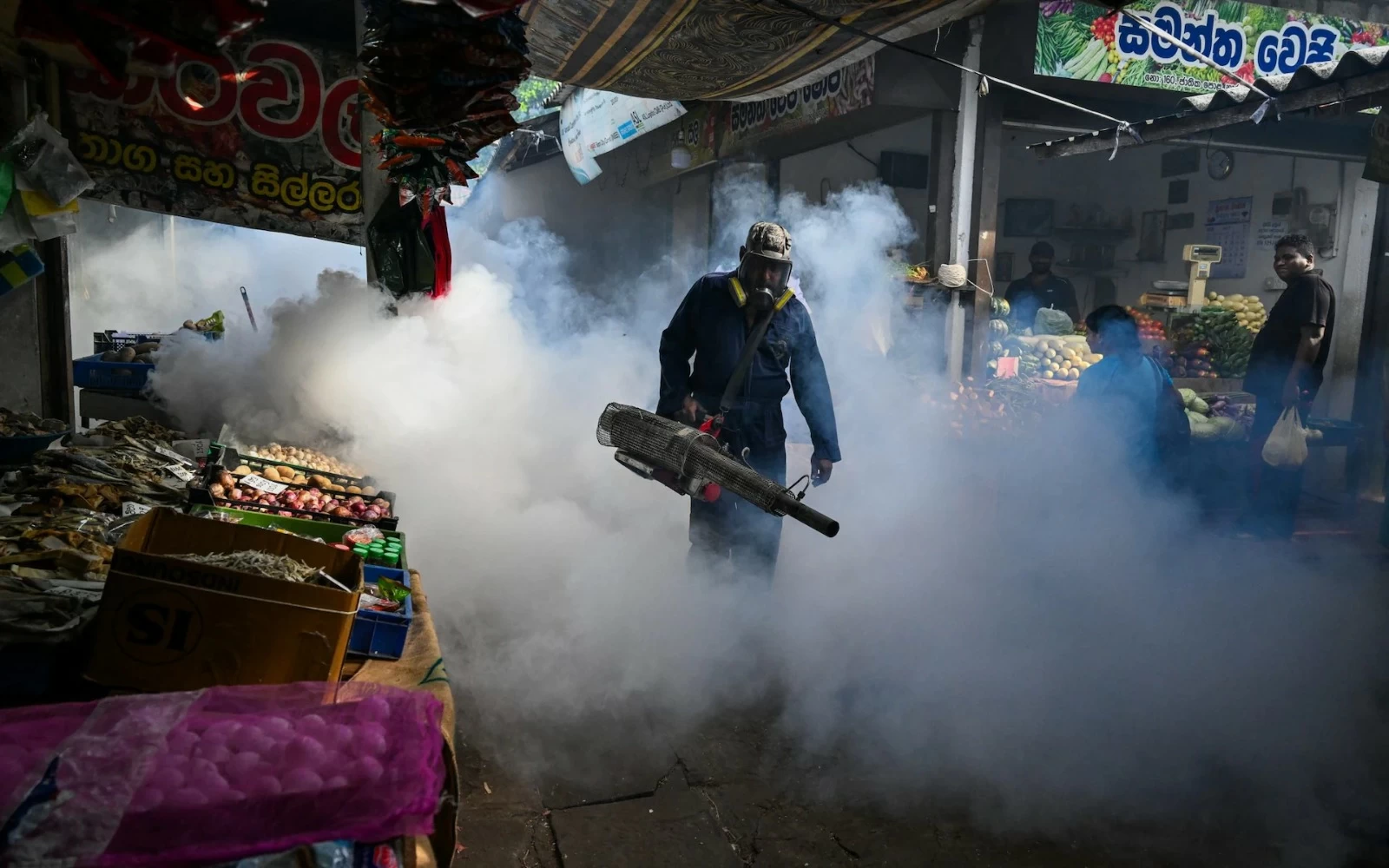
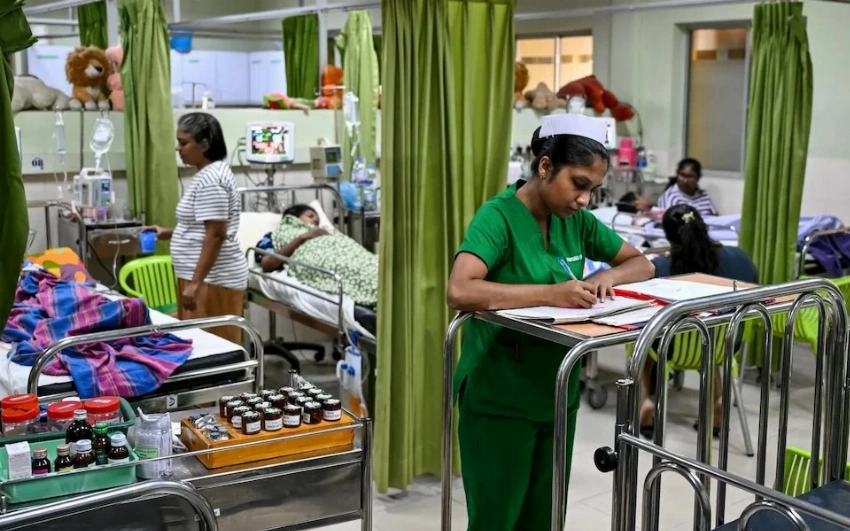
وتشهد عدة دول في جنوب آسيا موجة جديدة من الإصابات. ففي سريلانكا، سجلت السلطات الصحية 2,652 إصابة جديدة خلال يوم واحد، لترتفع الحصيلة إلى 76,044 إصابة منذ بداية العام، إضافة إلى 53 حالة وفاة.
كما تواجه بنغلاديش تفشياً واسعاً للمرض، مع تسجيل أكثر من 9 آلاف إصابة و30 وفاة، في وقت يعاني النظام الصحي أيضاً من تفشي مرض الحصبة.
وتنتقل حمى الضنك إلى الإنسان عبر لدغات بعوض الزاعجة المصاب، وتشمل أعراضها الحمى وآلاماً شديدة في العضلات والمفاصل، بينما قد تتطور الحالات الشديدة إلى نزيف داخلي أو صدمة قد تهدد حياة المصاب، رغم أن معدل الوفيات الإجمالي يظل منخفضاً نسبياً.
ويُعد لقاح QDENGA لقاحاً حياً مُوهناً رباعي التكافؤ، صُمم لتوفير الحماية ضد الأنماط الأربعة لفايروس حمى الضنك، ويمكن إعطاؤه سواء سبق للشخص الإصابة بالمرض أم لا.
وأكدت شركة تاكيدا، أن اعتماد اللقاح يأتي في توقيت بالغ الأهمية، مشيرة إلى أن عدد حالات حمى الضنك المُبلغ عنها في الهند ارتفع بمقدار 11 ضعفاً خلال العقدين الماضيين، فيما تمثل الهند نحو ثلث العبء العالمي للمرض.
وجاءت الموافقة بعد مراجعة نتائج المرحلة الثالثة من التجارب السريرية التي شملت أكثر من 20 ألف مشارك في ثماني دول، من بينها سريلانكا، إضافة إلى دراسة أجريت على 480 متطوعاً داخل الهند.
وأظهرت النتائج أن اللقاح يتمتع بدرجة جيدة من الأمان والقدرة على تحفيز المناعة لدى الأطفال والبالغين الذين تراوح أعمارهم بين 4 و60 عاماً.
وفي المقابل، اشترطت هيئة تنظيم الأدوية الهندية على الشركة إجراء دراسات متابعة بعد طرح اللقاح تجارياً، لتقييم سلامته وفاعليته على أرض الواقع، على أن تبدأ هذه الدراسات خلال ستة أشهر من إطلاقه في الأسواق.
ويحظى لقاح QDENGA بموافقة أكثر من 40 دولة، كما أدرجته منظمة الصحة العالمية ضمن اللقاحات المؤهلة للاستخدام الدولي.
وفي 2024، وقعت شركة تاكيدا اتفاقية مع شركة Biological E الهندية لإنتاج ما يصل إلى 50 مليون جرعة سنوياً، ضمن خطة تستهدف رفع الطاقة الإنتاجية العالمية إلى 100 مليون جرعة سنوياً بحلول نهاية العقد الحالي.
ويرى خبراء الصحة أن اعتماد اللقاح يمثل إضافة مهمة إلى أدوات مكافحة حمى الضنك، لكنه لا يغني عن مواصلة برامج مكافحة البعوض، وتعزيز أنظمة الترصد الوبائي، وتطوير علاجات جديدة للحد من انتشار المرض وتقليل الضغط على المستشفيات.
كما أشار مختصون إلى أن اللقاح لن يكون مناسباً لجميع الفئات، مثل الحوامل وحديثي الولادة وبعض كبار السن، ما يستدعي استمرار الاعتماد على الإجراءات الوقائية والصحية الأخرى إلى جانب برامج التطعيم.
The health authorities in India have approved the first vaccine for the prevention of dengue fever, marking an important milestone in the fight against a disease that is witnessing increasing spread in South Asia, coinciding with rising infection numbers and growing pressure on health systems in several countries in the region.
The Central Drugs Standard Control Organization of India has authorized the use of the QDENGA vaccine, developed by the Japanese company Takeda, making it the first approved vaccine against dengue fever in the country.
This decision comes at a time when global concerns about the spread of the disease are increasing, amid the effects of climate change, urban expansion, and increased travel, which are factors contributing to the spread of the Aedes mosquito that transmits the virus.
Several countries in South Asia are experiencing a new wave of infections. In Sri Lanka, health authorities reported 2,652 new cases in a single day, raising the total to 76,044 cases since the beginning of the year, along with 53 deaths.
Bangladesh is also facing a widespread outbreak of the disease, with over 9,000 cases and 30 deaths reported, while the health system is also struggling with an outbreak of measles.
Dengue fever is transmitted to humans through the bites of infected Aedes mosquitoes, and its symptoms include fever and severe pain in muscles and joints, while severe cases may develop into internal bleeding or shock that could threaten the patient's life, although the overall mortality rate remains relatively low.
The QDENGA vaccine is a live attenuated quadrivalent vaccine designed to provide protection against the four serotypes of the dengue virus, and it can be administered regardless of whether the person has previously contracted the disease.
Takeda confirmed that the approval of the vaccine comes at a critically important time, noting that the number of reported dengue cases in India has increased by 11 times over the past two decades, with India accounting for about one-third of the global burden of the disease.
The approval followed a review of the results from the phase three clinical trials that included over 20,000 participants in eight countries, including Sri Lanka, as well as a study conducted on 480 volunteers within India.
The results showed that the vaccine has a good safety profile and the ability to stimulate immunity in children and adults aged between 4 and 60 years.
In return, the Indian drug regulatory authority has required the company to conduct post-marketing studies to assess the vaccine's safety and effectiveness in real-world settings, with these studies set to begin within six months of its market launch.
The QDENGA vaccine has been approved by more than 40 countries and has been included by the World Health Organization among the vaccines eligible for international use.
In 2024, Takeda signed an agreement with the Indian company Biological E to produce up to 50 million doses annually, as part of a plan aimed at increasing global production capacity to 100 million doses annually by the end of the current decade.
Health experts believe that the approval of the vaccine represents an important addition to the tools for combating dengue fever, but it does not replace the need to continue mosquito control programs, strengthen epidemiological surveillance systems, and develop new treatments to reduce the spread of the disease and alleviate pressure on hospitals.
Specialists also pointed out that the vaccine may not be suitable for all groups, such as pregnant women, newborns, and some elderly individuals, necessitating the continued reliance on other preventive and health measures alongside vaccination programs.