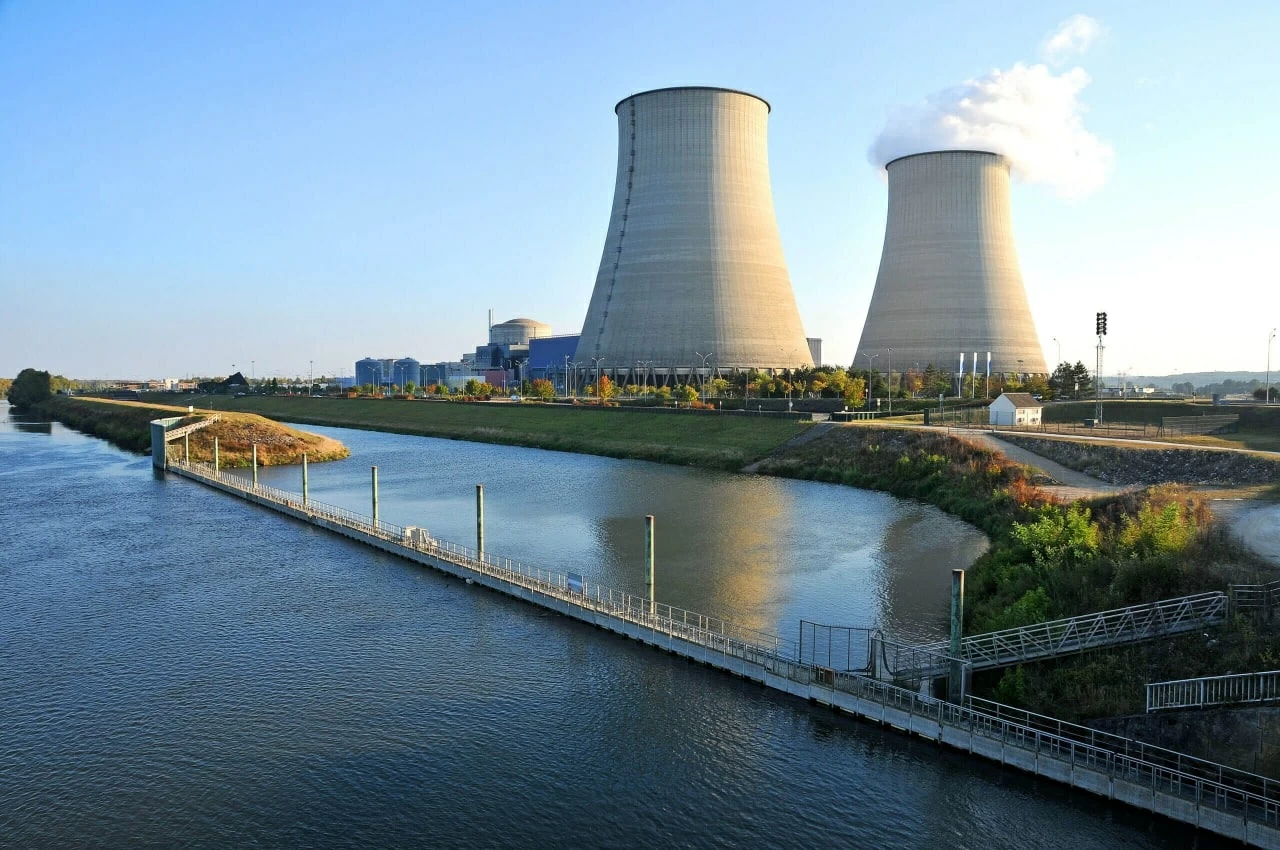
تواجه فرنسا تحديًا جديدًا في مساعيها للحفاظ على مكانتها أكبر منتج للطاقة النووية في أوروبا، بعدما أجبرت موجات الحر الشديدة السلطات على إيقاف تشغيل عدد من المفاعلات النووية وخفض إنتاج أخرى، في تطور يعكس الضغوط المتزايدة التي يفرضها تغير المناخ على قطاع الطاقة.
وأعلنت شركة الكهرباء الفرنسية، المملوكة للدولة، إيقاف تشغيل ثلاثة مفاعلات نووية من أصل 57 مفاعلًا، إلى جانب خفض إنتاج سبعة مفاعلات أخرى، بسبب ارتفاع درجات الحرارة التي أثرت على عمليات التبريد وألزمت الشركة بالامتثال للقيود البيئية المفروضة على تشغيل المحطات.
وتأتي هذه الإجراءات بعد أسابيع فقط من موجة حر مماثلة شهدتها البلاد الشهر الماضي، تسببت في إيقاف ثلاثة مفاعلات وخفض إنتاج خمسة أخرى، ما أدى إلى انخفاض إنتاج الكهرباء بنحو 8.7%، بالتزامن مع ارتفاع استهلاك الطاقة نتيجة الاستخدام المكثف لأجهزة التكييف.
ورغم تراجع الإنتاج، أكدت السلطات الفرنسية أن شبكة الكهرباء لم تتعرض لأي انقطاعات، مشيرة إلى أن الإجراءات اتُخذت بشكل احترازي للحفاظ على سلامة البيئة وضمان استقرار المنظومة الكهربائية.
رهان فرنسي على الطاقة النووية
تراهن باريس على الطاقة النووية باعتبارها العمود الفقري لاستراتيجيتها في التحول نحو اقتصاد منخفض الانبعاثات، إذ توفر المفاعلات النووية نحو 60% من حاجات فرنسا من الكهرباء، كما تعتمد عليها الحكومة في جذب استثمارات ضخمة في القطاعات الأكثر استهلاكًا للطاقة، مثل الذكاء الاصطناعي، ومراكز البيانات، والحوسبة السحابية.
وتزداد أهمية هذا التوجه مع التوسع العالمي في تطبيقات الذكاء الاصطناعي، التي تتطلب كميات هائلة من الكهرباء، ما يجعل توفير طاقة مستقرة ومنخفضة الكربون عنصرًا أساسيًا في المنافسة الاقتصادية.
وقال الرئيس التنفيذي لشركة الكهرباء الفرنسية برنارد فونتانا، إن المواطنين والمستثمرين بحاجة إلى الثقة في قدرة فرنسا على إنتاج الكهرباء حتى في ظل الظروف المناخية القاسية، مؤكدًا أن الشركة تعمل على تعزيز مرونة محطاتها النووية.
جدل سياسي حول مستقبل الطاقة النووية
وأعادت موجات الحر إشعال النقاش السياسي في فرنسا بشأن مستقبل الطاقة النووية، بين من يعتبرها الضمانة الأساسية لأمن الطاقة وتقليل الانبعاثات الكربونية، ومن يرى أن التغيرات المناخية قد تحد من قدرتها على العمل بكفاءة خلال العقود القادمة.
وأكدت وزيرة الطاقة والمتحدثة باسم الحكومة، مود بريجون، أن خفض إنتاج بعض المفاعلات خلال فترات ارتفاع درجات الحرارة يعد إجراءً اعتياديًا يتكرر كل صيف، مشددة على أن الأمر لا يرتبط بوجود أعطال أو مخاطر تقنية داخل المحطات.
في المقابل، دعا معارضو الطاقة النووية إلى إعادة تقييم الاعتماد الكبير عليها، معتبرين أن موجات الحر المتكررة تكشف عن تحديات هيكلية قد تزداد حدة مع تفاقم آثار التغير المناخي.
وقال النائب البارز عن حزب «فرنسا غير المنحنية»، مانويل بومبار، إن الأحداث الأخيرة تطرح تساؤلات حول قدرة الطاقة النووية على الصمود أمام الارتفاع المستمر في درجات الحرارة.
France is facing a new challenge in its efforts to maintain its position as the largest producer of nuclear energy in Europe, after severe heatwaves forced authorities to shut down several nuclear reactors and reduce the output of others, in a development that reflects the increasing pressures that climate change is imposing on the energy sector.
The French state-owned electricity company announced the shutdown of three nuclear reactors out of 57, along with a reduction in the output of seven other reactors, due to rising temperatures that affected cooling operations and compelled the company to comply with environmental restrictions imposed on the operation of the plants.
These measures come just weeks after a similar heatwave hit the country last month, which led to the shutdown of three reactors and a reduction in the output of five others, resulting in a decrease in electricity production by about 8.7%, coinciding with an increase in energy consumption due to the intensive use of air conditioning units.
Despite the drop in production, French authorities confirmed that the electricity grid did not experience any outages, noting that the measures were taken as a precautionary step to protect the environment and ensure the stability of the electrical system.
French Bet on Nuclear Energy
Paris is betting on nuclear energy as the backbone of its strategy to transition to a low-emission economy, as nuclear reactors provide about 60% of France's electricity needs. The government also relies on it to attract massive investments in the most energy-intensive sectors, such as artificial intelligence, data centers, and cloud computing.
This approach is becoming increasingly important with the global expansion of artificial intelligence applications, which require vast amounts of electricity, making the provision of stable and low-carbon energy a key element in economic competition.
The CEO of the French electricity company, Bernard Fontana, stated that citizens and investors need to have confidence in France's ability to produce electricity even under extreme weather conditions, emphasizing that the company is working to enhance the resilience of its nuclear plants.
Political Debate on the Future of Nuclear Energy
The heatwaves have reignited the political debate in France regarding the future of nuclear energy, with some considering it the fundamental guarantee for energy security and reducing carbon emissions, while others believe that climate changes may limit its ability to operate efficiently in the coming decades.
Energy Minister and government spokesperson, Agnès Pannier-Runacher, confirmed that reducing the output of some reactors during periods of high temperatures is a routine measure that occurs every summer, stressing that this is not related to any malfunctions or technical risks within the plants.
Conversely, opponents of nuclear energy have called for a reassessment of the heavy reliance on it, arguing that the recurring heatwaves reveal structural challenges that may intensify with the worsening effects of climate change.
Prominent MP from the "France Unbowed" party, Manuel Bompard, stated that recent events raise questions about the ability of nuclear energy to withstand the ongoing rise in temperatures.