لقي 27 شخصاً مصرعهم وأصيب آخرون، إثر حريق هائل اندلع داخل حانة في العاصمة التايلاندية بانكوك، في واحدة من أكثر الكوارث الدامية التي تشهدها البلاد في الآونة الأخيرة، فيما فتحت السلطات تحقيقاً عاجلاً للوقوف على أسباب الحادث وملابساته.
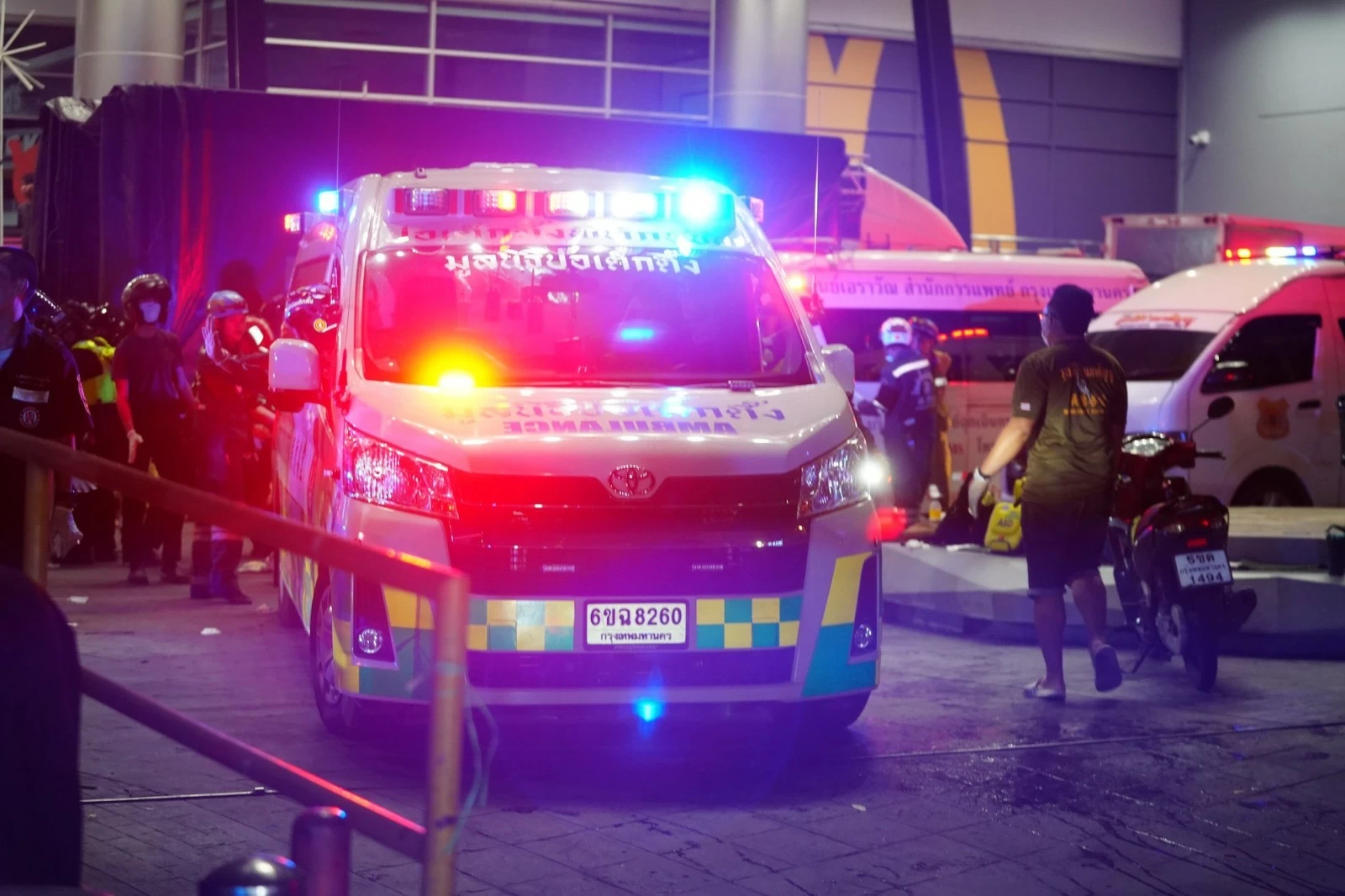
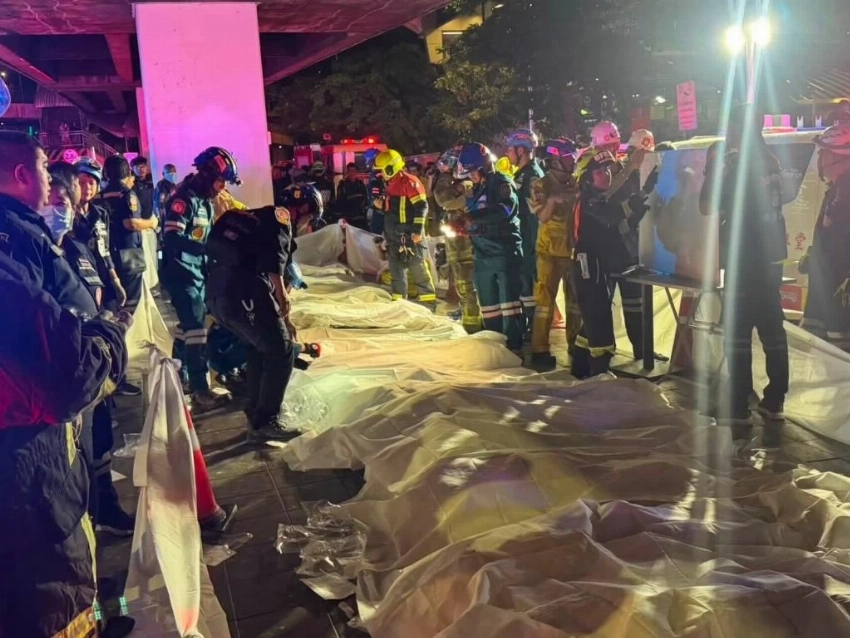
وأفادت السلطات التايلاندية بأن فرق الإطفاء والإسعاف هرعت إلى موقع الحريق فور تلقي البلاغ، وتمكنت من السيطرة على النيران بعد عمليات استمرت لساعات، بينما عملت فرق الإنقاذ على إجلاء المحاصرين ونقل المصابين إلى المستشفيات القريبة لتلقي العلاج.
وأوضحت التحقيقات الأولية أن ألسنة اللهب انتشرت بسرعة كبيرة داخل الحانة، ما أدى إلى محاصرة عدد كبير من الموجودين في الداخل، وهو ما أسفر عن ارتفاع حصيلة الضحايا إلى 27 قتيلاً، إلى جانب عدد من المصابين، في حين لا تزال السلطات تعمل على تحديد هوية بعض الضحايا وحصر الخسائر.
وأكدت السلطات أن خبراء الأدلة الجنائية يباشرون فحص موقع الحادث لمعرفة السبب الحقيقي وراء اندلاع الحريق، وما إذا كان ناجماً عن خلل كهربائي أو مخالفة لاشتراطات السلامة أو أي أسباب أخرى، مشيرة إلى أن نتائج التحقيق ستحدد المسؤوليات القانونية.
كما أعلنت الجهات المختصة مراجعة إجراءات السلامة في المنشآت الترفيهية، والتأكد من التزامها بمعايير الوقاية من الحرائق، منعاً لتكرار مثل هذه الحوادث.
وتشهد تايلاند بين الحين والآخر حرائق مميتة في المنشآت العامة وأماكن الترفيه، غالباً بسبب مخالفات تتعلق باشتراطات السلامة، أو ضعف أنظمة الإنذار والإطفاء، أو محدودية مخارج الطوارئ، وهو ما يؤدي إلى ارتفاع أعداد الضحايا عند اندلاع الحرائق.
وتُعد الحرائق في الحانات والنوادي الليلية من أكثر الحوادث التي تثير اهتمام الرأي العام في تايلاند، خصوصاً بعد كارثة حريق ملهى «سانتيكا» في بانكوك عام 2009، التي أودت بحياة 66 شخصاً وأصابت أكثر من 200 آخرين، وأدت إلى تشديد القوانين المنظمة لسلامة المباني والمنشآت الترفيهية.
ورغم تشديد الرقابة خلال السنوات الماضية، لا تزال السلطات التايلاندية تواجه تحديات تتعلق بالالتزام الكامل بمعايير الأمن والسلامة، خصوصاً في المنشآت التي تستقبل أعداداً كبيرة من الزوار، ما يجعل كل حادث من هذا النوع يعيد الجدل حول ضرورة تعزيز إجراءات الوقاية وتطبيق القوانين بصرامة.
27 people have died and others have been injured as a result of a massive fire that broke out inside a bar in the Thai capital, Bangkok, in one of the deadliest disasters the country has witnessed recently. Authorities have opened an urgent investigation to determine the causes and circumstances of the incident.
The Thai authorities reported that firefighting and rescue teams rushed to the scene of the fire immediately after receiving the report and managed to control the flames after operations that lasted for hours, while rescue teams worked to evacuate those trapped and transport the injured to nearby hospitals for treatment.
Preliminary investigations revealed that the flames spread very quickly inside the bar, which led to a large number of people being trapped inside, resulting in the death toll rising to 27, along with several injured, while authorities are still working to identify some of the victims and assess the damages.
Authorities confirmed that forensic experts are examining the scene of the incident to determine the real cause of the fire and whether it was due to an electrical fault, a violation of safety regulations, or any other reasons, noting that the results of the investigation will determine legal responsibilities.
The relevant authorities also announced a review of safety procedures in entertainment venues to ensure compliance with fire prevention standards, in order to prevent the recurrence of such incidents.
Thailand occasionally witnesses deadly fires in public facilities and entertainment venues, often due to violations related to safety regulations, weak alarm and firefighting systems, or limited emergency exits, which leads to a higher number of casualties when fires break out.
Fires in bars and nightclubs are among the incidents that attract public attention in Thailand, especially after the tragic fire at the "Santika" nightclub in Bangkok in 2009, which claimed the lives of 66 people and injured more than 200 others, leading to stricter laws governing the safety of buildings and entertainment venues.
Despite increased oversight in recent years, Thai authorities still face challenges regarding full compliance with security and safety standards, especially in facilities that receive large numbers of visitors, making every incident of this kind reignite the debate on the need to enhance preventive measures and strictly enforce laws.