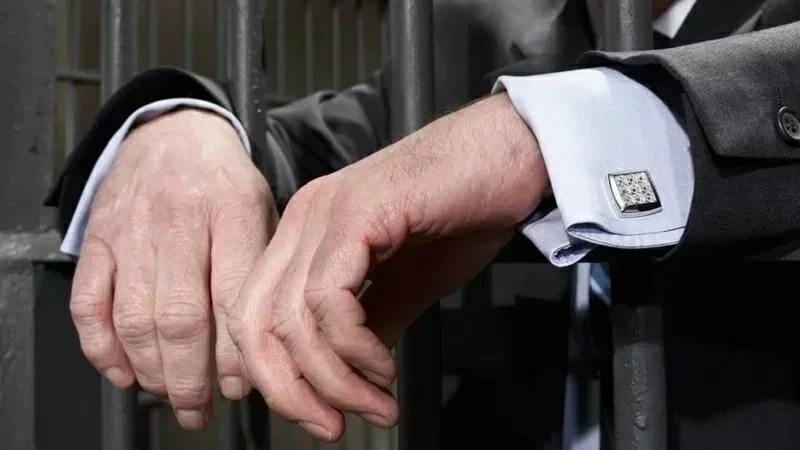
في ليلة ماراثونية حبست الأنفاس داخل أروقة المحكمة الابتدائية بتونس، أسدل القضاء الستار على واحدة من أضخم قضايا الفساد المالي وغسيل الأموال التي هزت الرأي العام، ليوجه ضربة قاضية لـ«إمبراطورية المعادن» التي ظن أصحابها أنهم فوق القانون.
صدر الحكم في ساعة متأخرة من مساء أمس، ليقضي بالسجن 22 سنة نافذة بحق رجل الأعمال التونسي الحبيب حواص، الذي يعتبر الحوت الأكبر في مجال تدوير وتصدير المعادن، بينما نال شركاؤه حكماً أشد قسوة بالسجن لمدة 24 سنة.
كيف دارت عجلة «غسل النحاس»؟
كواليس القضية تكشف مخططاً جهنمياً، إذ واجه المليونير التونسي قائمة اتهامات زلزلت الأوساط الاقتصادية. ولم يكن الأمر مجرد تجارة عادية، بل تبين تورطه في:
- تأسيس وفاق (عصابة دولية) لغسل الأموال مستغلاً التسهيلات القانونية الممنوحة لشركاته.
- تهريب كميات ضخمة من معدن النحاس والمعادن الثمينة وتصديرها للخارج بطرق ملتوية.
- ارتكاب جرائم جمركية وصرفية خطيرة، مع تهرب ضريبي ضخم حرم خزينة الدولة التونسية من ملايين الدولارات.
وبعد تحقيقات معقدة قادتها محكمة الاستئناف التونسية، نُقل المتهمون تحت حراسة مشددة إلى الدائرة الجنائية المختصة بالفساد المالي، والتي لم تتردد في إصدار هذه الأحكام التاريخية لتعلن رسمياً تفكيك «مافيا النحاس».
ويمكن القول إن الحكم بعث برسالة مرعبة لرجال الأعمال الفاسدين، تؤكد عدم التهاون في استرداد الثروات الحكومية المنهوبة.
On a marathon night that held its breath within the halls of the primary court in Tunisia, the judiciary brought down the curtain on one of the largest financial corruption and money laundering cases that shook public opinion, delivering a fatal blow to the "Empire of Metals," whose owners believed they were above the law.
The verdict was issued late last night, sentencing Tunisian businessman Habib Hawas to 22 years in prison, who is considered the biggest fish in the field of recycling and exporting metals, while his partners received an even harsher sentence of 24 years in prison.
How did the "Copper Washing" wheel turn?
The behind-the-scenes of the case reveals a hellish scheme, as the Tunisian millionaire faced a list of accusations that shook the economic circles. It was not just an ordinary trade; it turned out he was involved in:
- Establishing a syndicate (an international gang) for money laundering, exploiting the legal facilities granted to his companies.
- Smuggling huge quantities of copper and precious metals and exporting them abroad through twisted methods.
- Committing serious customs and currency crimes, along with massive tax evasion that deprived the Tunisian state treasury of millions of dollars.
After complex investigations led by the Tunisian Court of Appeals, the defendants were transferred under heavy guard to the specialized criminal court for financial corruption, which did not hesitate to issue these historic rulings to officially announce the dismantling of the "Copper Mafia."
It can be said that the verdict sent a terrifying message to corrupt businessmen, confirming that there will be no leniency in recovering the looted government wealth.