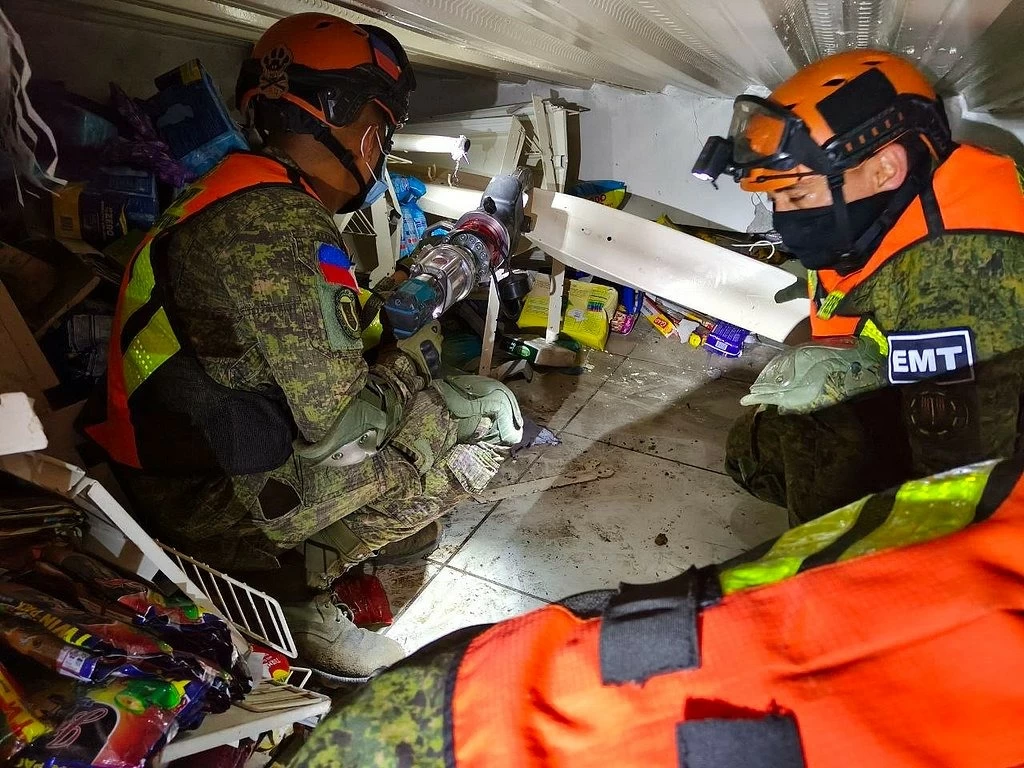
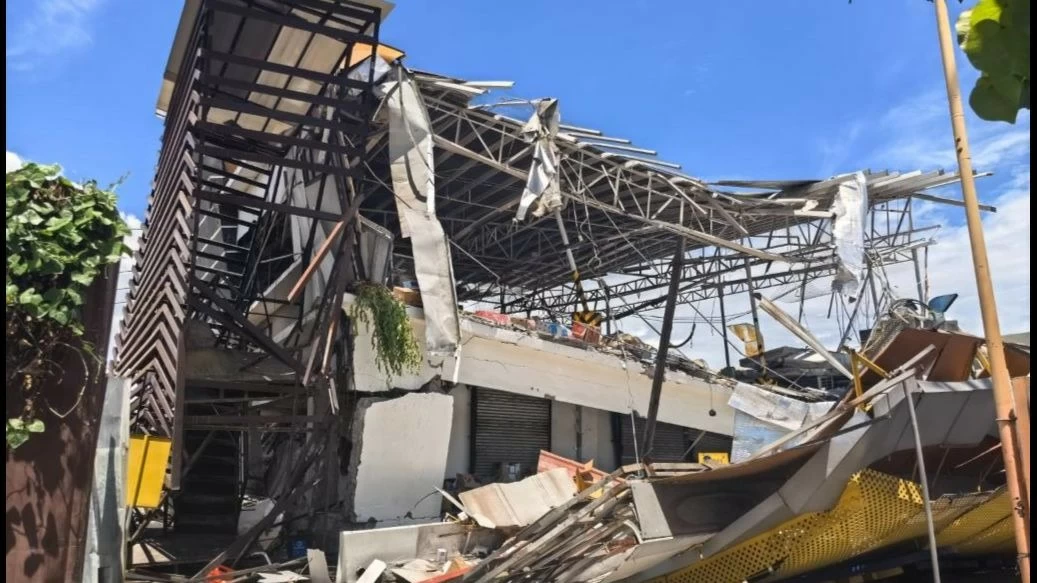
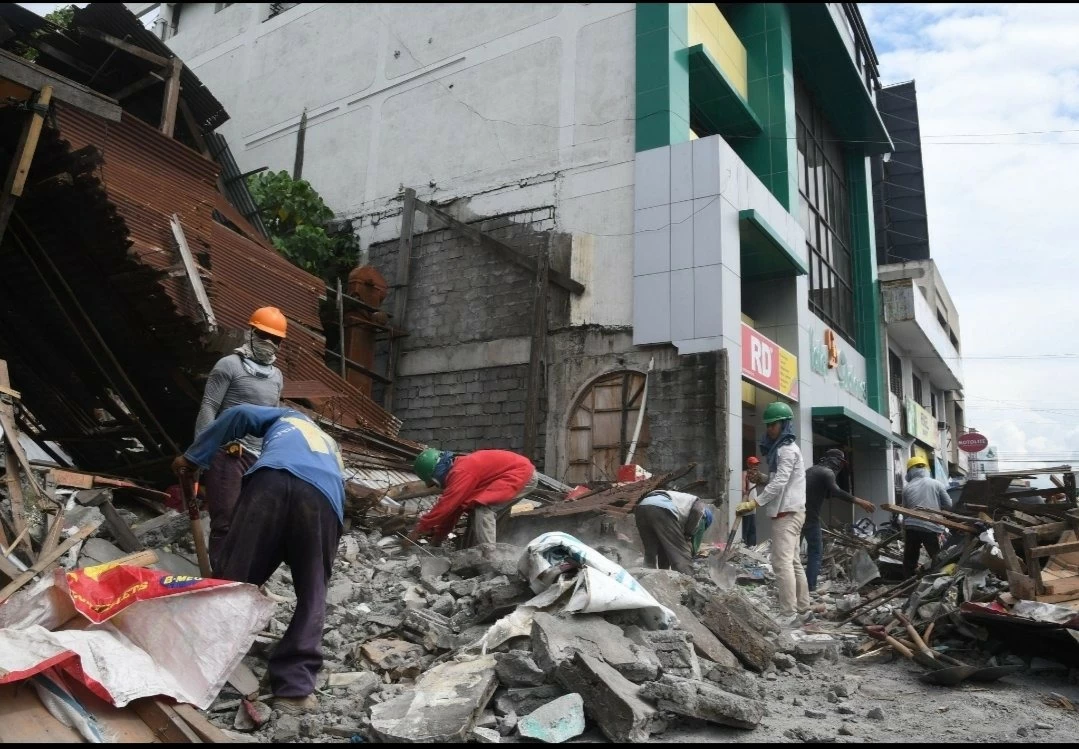
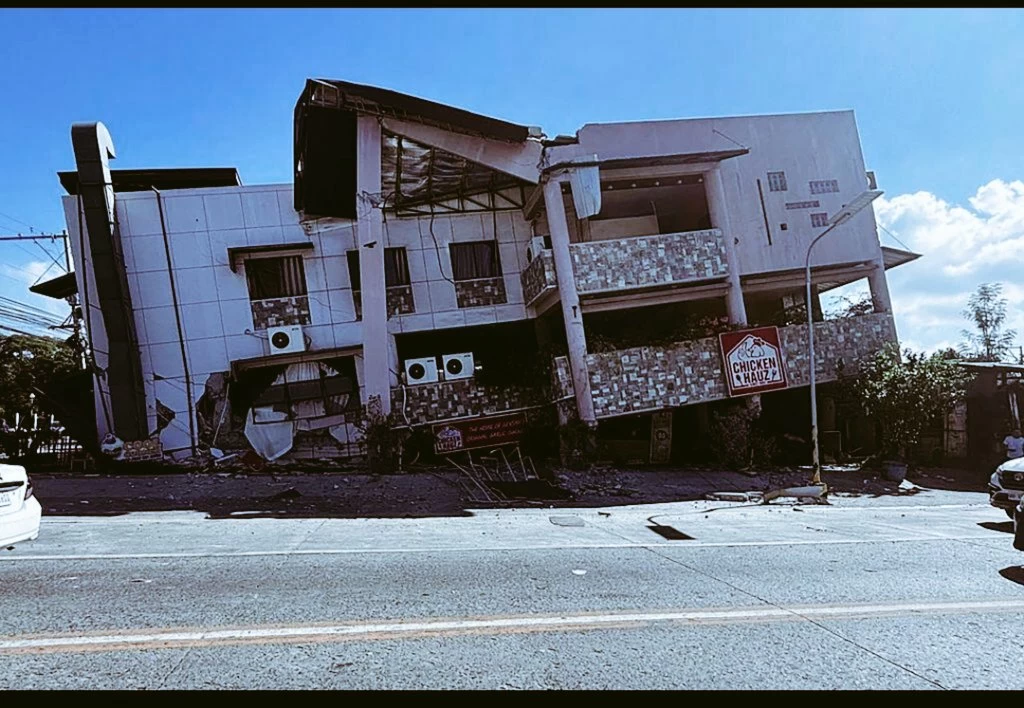
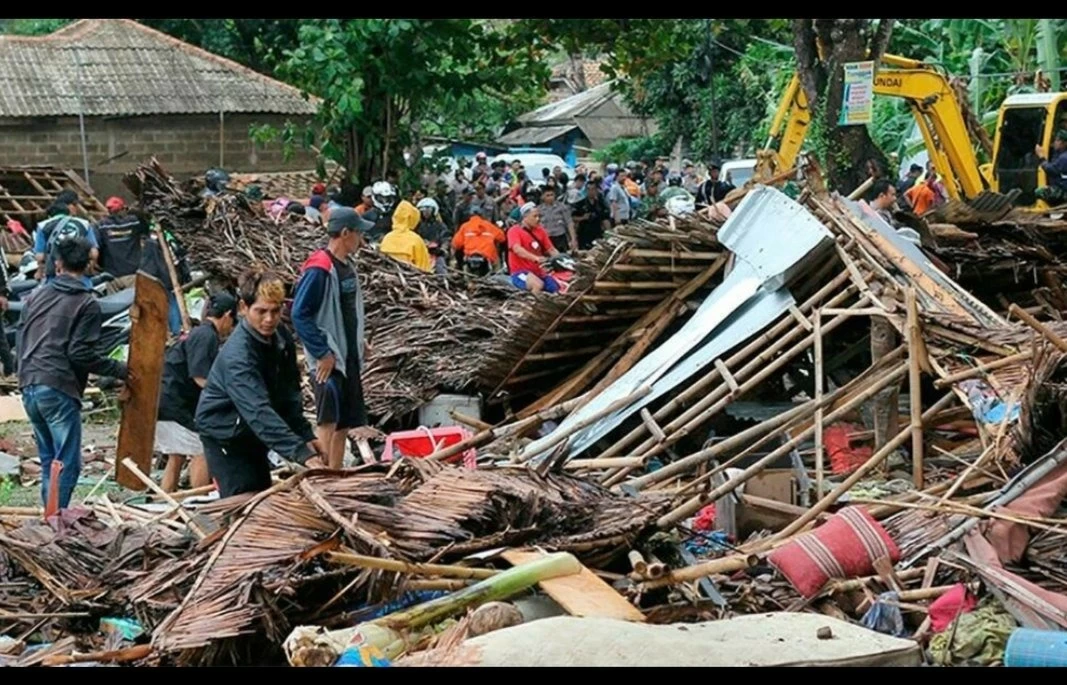
يواصل رجال الإنقاذ في جنوب الفلبين جهودهم المكثفة للبحث عن المفقودين وإزالة الأنقاض، بعد أربعة أيام من الزلزال القوي الذي ضرب المنطقة يوم الاثنين، وارتفعت حصيلة ضحاياه إلى 55 قتيلاً على الأقل.
وكان الزلزال الذي بلغت شدته 7.8 درجات على مقياس ريختر، قد ضرب قبالة سواحل جزيرة مينداناو جنوب الأرخبيل الفلبيني، مما أثار حالة من الذعر الشديد، وأدى إلى انهيار مبانٍ سكنية وتجارية، وانزلاقات أرضية واسعة النطاق، بالإضافة إلى إطلاق تحذيرات عاجلة من حدوث أمواج تسونامي في المنطقة ودول مجاورة.
وأعلنت الحكومة الفلبينية، في حصيلة رسمية اليوم (الجمعة)، تسجيل ثماني وفيات إضافية، ليرتفع الإجمالي إلى 55 قتيلاً، فيما لا يزال 31 شخصاً على الأقل في عداد المفقودين، وأصيب أكثر من 1100 شخص، وتضرر أو دمر عشرات الآلاف من المنازل، مما أثر على نحو 400 ألف شخص.
ويُعد إقليم سارانغاني في منطقة سوكسكسارجن الأكثر تضرراً، حيث لا تزال طائرات المروحيات تنقل الغذاء والمياه العذبة إلى القرى المعزولة، رغم إعادة فتح بعض الطرق جزئياً، ويستمر انقطاع التيار الكهربائي عن معظم أنحاء الإقليم، ما يعقد جهود الإغاثة.
وقال رئيس إدارة الكوارث المحلية رينيه بونسالان في تصريحات خاصة: "لا تزال الهزات الارتدادية المتكررة تعيق عملنا بشكل كبير، بالإضافة إلى هطول الأمطار الغزيرة التي شهدناها الليلة الماضية، وهذا ما اضطرنا إلى تعليق عملياتنا لبعض الوقت"، مشيرا إلى أن فرق الإنقاذ تستخدم الجرافات الثقيلة لإزالة الصخور والأنقاض التي تسد الطرق الرئيسية.
وأضاف بونسالان أن الأمل في العثور على ناجين أحياء تحت الأنقاض يتضاءل تدريجياً مع مرور الوقت، مشيراً إلى أن فرص النجاة تصبح ضئيلة جداً بعد مرور عدة أيام على وقوع الكارثة.
ويُصنف الأرخبيل الفلبيني ضمن "حزام النار" في المحيط الهادئ، حيث يشهد نشاطاً زلزالياً وبركانياً مرتفعاً بسبب وقوعه على حدود صفائح تكتونية رئيسية، ويُعد زلزال 7.8 درجات هذا الأقوى الذي يضرب المنطقة منذ سنوات، وقد أثار مخاوف من تكرار سيناريوهات كارثية سابقة مثل زلزال 1976 الذي أودى بحياة آلاف الأشخاص في مينداناو.
وأعلن الرئيس الفلبيني فيرديناند ماركوس جونيور حالة الكارثة في المناطق المتضررة، مما يتيح تخصيص أموال طارئة للإغاثة وإعادة الإعمار. وتشهد المنطقة حالياً حملات إغاثة واسعة بمشاركة منظمات محلية ودولية، وسط دعوات للتبرعات وتقديم المساعدات الطبية والغذائية.
Rescue workers in southern Philippines continue their intensive efforts to search for the missing and clear debris, four days after the powerful earthquake that struck the region on Monday, with the death toll rising to at least 55.
The earthquake, which registered 7.8 on the Richter scale, hit off the coast of Mindanao Island in the southern Philippine archipelago, causing widespread panic and leading to the collapse of residential and commercial buildings, extensive landslides, as well as urgent tsunami warnings for the area and neighboring countries.
The Philippine government announced in an official report today (Friday) that eight additional fatalities have been recorded, raising the total to 55, while at least 31 people remain missing, more than 1,100 have been injured, and tens of thousands of homes have been damaged or destroyed, affecting around 400,000 people.
The Sarangani province in the Soccsksargen region is the most affected, with helicopters still delivering food and fresh water to isolated villages, despite some roads being partially reopened. Power outages continue across most of the province, complicating relief efforts.
Rene Bonsalan, head of the local disaster management office, stated in exclusive remarks: "The ongoing aftershocks are still significantly hindering our work, along with the heavy rainfall we experienced last night, which forced us to suspend our operations for some time," noting that rescue teams are using heavy machinery to clear rocks and debris blocking main roads.
Bonsalan added that hope of finding survivors alive under the rubble is gradually diminishing as time passes, indicating that the chances of survival become very slim after several days following the disaster.
The Philippine archipelago is classified within the "Ring of Fire" in the Pacific, where it experiences high seismic and volcanic activity due to its location on the boundaries of major tectonic plates. This 7.8 magnitude earthquake is the strongest to hit the region in years and has raised fears of a repeat of previous catastrophic scenarios, such as the 1976 earthquake that claimed thousands of lives in Mindanao.
Philippine President Ferdinand Marcos Jr. declared a state of disaster in the affected areas, allowing for the allocation of emergency funds for relief and reconstruction. The region is currently witnessing extensive relief campaigns involving local and international organizations, amid calls for donations and the provision of medical and food assistance.