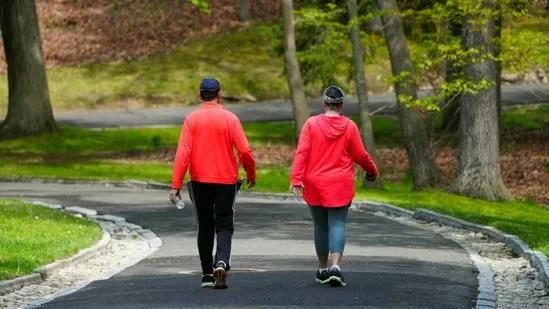
أكد جراح القلب والصدر الأمريكي الدكتور جيريمي لندن، أن المشي يُعد من أبسط الوسائل وأكثرها فعالية للحفاظ على الصحة والوقاية من الأمراض، مشيرًا إلى أن الانتظام في المشي يمكن أن يقلل خطر الوفاة، ويحسن صحة القلب والدماغ، ويساعد في التحكم بضغط الدم ومستويات السكر والوزن.
وتزايدت شعبية المشي خلال السنوات الأخيرة باعتباره نشاطًا بدنيًا سهل الممارسة ولا يتطلب تجهيزات خاصة، فيما تشير أبحاث صحية إلى أن المشي بوتيرة سريعة لمدة لا تقل عن 150 دقيقة أسبوعيًا يمكن أن يحسن التفكير والحالة المزاجية وجودة النوم، فضلاً عن تقليل مخاطر الإصابة بأمراض خطيرة مثل أمراض القلب والسكتات الدماغية والسكري وأنواع متعددة من السرطان.
وبحسب موقع Hindustan Times، شدد الدكتور جيريمي لندن على أن المشي «بسيط للغاية لكنه قوي التأثير»، واصفًا إياه بأنه شكل من أشكال «الدواء الطبيعي» القادر على تحسين الصحة العامة بشكل ملحوظ.
انخفاض معدل الوفيات الإجمالي
وأوضح الطبيب أن فوائد المشي لا تقتصر على اللياقة البدنية فقط، بل تمتد إلى تقليل خطر الوفاة الناتجة عن مختلف الأسباب، مؤكدًا أن التأثير الإيجابي للمشي يعتمد على الجرعة؛ فكلما زادت مدة أو عدد مرات المشي ارتفعت الفوائد الصحية، إلا أن حتى المستويات المعتدلة من النشاط تحدث فارقًا ملموسًا.
انخفاض الإصابة بأمراض القلب
وأشار إلى أن المشي يلعب دورًا مهمًا في خفض المخاطر المرتبطة بأمراض القلب والأوعية الدموية، إذ يساعد على ضبط ضغط الدم ومستويات الجلوكوز في الدم، كما يساهم في التحكم بالوزن وتعزيز الصحة الأيضية بشكل عام.
تحسين نشاط الدماغ
وأضاف أن المشي يؤثر إيجابيًا على صحة الدماغ أيضًا، حيث يرتبط بانخفاض احتمالات التراجع المعرفي مع التقدم في العمر، إلى جانب تحسين الحالة المزاجية وتقليل مستويات التوتر والضغوط النفسية.
ولفت جراح القلب إلى فائدة أخرى لا ترصدها الدراسات بشكل مباشر، لكنها لا تقل أهمية عن الفوائد الطبية، وهي إتاحة فرصة لقضاء وقت في الهواء الطلق سواء بمفردك أو برفقة الآخرين، ما يمنح الشخص مساحة للتفكير الهادئ وصفاء الذهن.
وقال إن العديد من أفضل الأفكار والحلول قد تأتي أثناء المشي، مضيفًا أن هذه العادة الصحية متاحة لمعظم الناس ولا تتطلب أي تكلفة مالية، داعيًا الأشخاص القادرين على ممارستها إلى البدء فورًا وجعلها جزءًا من روتينهم اليومي.
واختتم حديثه بالتأكيد على أن المشي ليس مجرد نشاط بدني، بل وسيلة فعالة لتحسين الصحة الجسدية والنفسية، قائلاً: «المشي دواء».
American heart and chest surgeon Dr. Jeremy London confirmed that walking is one of the simplest and most effective means of maintaining health and preventing diseases, noting that regular walking can reduce the risk of death, improve heart and brain health, and help control blood pressure, sugar levels, and weight.
The popularity of walking has increased in recent years as an easy-to-practice physical activity that does not require special equipment, while health research indicates that walking at a brisk pace for at least 150 minutes per week can improve thinking, mood, and sleep quality, as well as reduce the risks of serious diseases such as heart disease, strokes, diabetes, and multiple types of cancer.
According to Hindustan Times, Dr. Jeremy London emphasized that walking is "extremely simple yet powerful," describing it as a form of "natural medicine" capable of significantly improving overall health.
Reduction in Overall Mortality Rate
The doctor explained that the benefits of walking are not limited to physical fitness alone, but extend to reducing the risk of death from various causes, stressing that the positive impact of walking depends on the dosage; the longer the duration or the more frequent the walking, the greater the health benefits, although even moderate levels of activity make a noticeable difference.
Reduction in Heart Disease Incidence
He pointed out that walking plays an important role in lowering the risks associated with cardiovascular diseases, as it helps regulate blood pressure and blood glucose levels, and also contributes to weight control and overall metabolic health.
Improvement in Brain Activity
He added that walking positively affects brain health as well, as it is associated with a lower likelihood of cognitive decline with aging, in addition to improving mood and reducing stress and psychological pressures.
The heart surgeon highlighted another benefit that studies do not directly measure, but which is no less important than the medical benefits: the opportunity to spend time outdoors, whether alone or with others, providing a person with space for quiet reflection and mental clarity.
He said that many of the best ideas and solutions may come while walking, adding that this healthy habit is accessible to most people and does not require any financial cost, urging those who are able to practice it to start immediately and make it part of their daily routine.
He concluded his remarks by emphasizing that walking is not just a physical activity, but an effective means of improving physical and mental health, stating: "Walking is medicine."