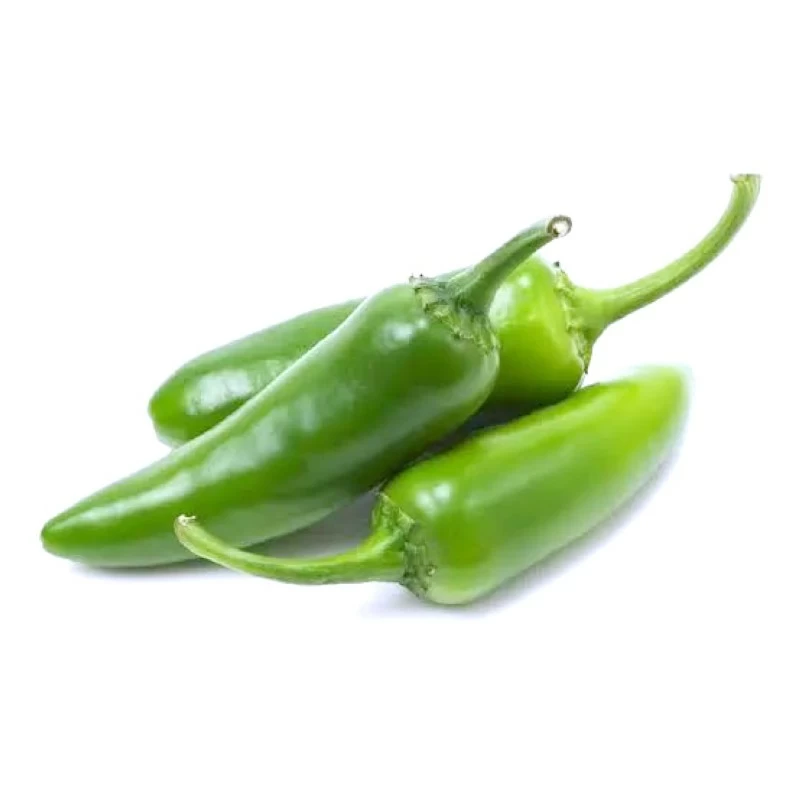
يُعد الفلفل، بمختلف أنواعه الحلوة والحارة، أحد أكثر المكونات حضورًا في المطابخ العالمية، غير أن قيمته لا تقتصر على تعزيز النكهة فحسب، بل تمتد إلى فوائد صحية مدعومة بأبحاث علمية تناولت مركباته النشطة وتأثيرها في الجسم.
تشير دراسات منشورة في مجلات التغذية والطب الوقائي إلى أن الفلفل الحار يحتوي على مركب «الكابسيسين»، وهو المسؤول عن الطعم اللاذع، ويرتبط بخصائص مضادة للالتهاب ومساعدة على تحسين التمثيل الغذائي. ووفق مراجعات علمية في دوريات متخصصة بالتغذية السريرية، قد يساهم الكابسيسين في زيادة معدل حرق السعرات الحرارية بشكل طفيف من خلال تحفيز عملية توليد الحرارة في الجسم، كما يرتبط بانخفاض محدود في الشهية لدى بعض الأفراد.
أما الفلفل الحلو، خصوصًا الأحمر منه، فيتميز بارتفاع محتواه من فيتامين C ومضادات الأكسدة مثل البيتا كاروتين، وهي مركبات تسهم في دعم جهاز المناعة وحماية الخلايا من الإجهاد التأكسدي. وتوضح أبحاث منشورة في مجلات علوم الغذاء، أن تناول الخضراوات الغنية بمضادات الأكسدة يرتبط بانخفاض مخاطر بعض الأمراض المزمنة على المدى الطويل ضمن نمط غذائي متوازن.
كما تشير تقارير بحثية إلى أن الفلفل قد يدعم صحة القلب، بفضل احتوائه على مركبات نباتية تسهم في تحسين مرونة الأوعية الدموية وتقليل الالتهابات، وإن كانت هذه التأثيرات تعتمد على الكمية المستهلكة والنمط الغذائي العام.
Pepper, in its various sweet and hot forms, is one of the most prevalent ingredients in global cuisines. However, its value extends beyond just enhancing flavor; it also includes health benefits supported by scientific research that has examined its active compounds and their effects on the body.
Published studies in nutrition and preventive medicine journals indicate that hot pepper contains the compound "capsaicin," which is responsible for its pungent taste and is associated with anti-inflammatory properties and aiding in metabolic improvement. According to scientific reviews in specialized clinical nutrition journals, capsaicin may contribute to a slight increase in calorie burning by stimulating the body's thermogenesis process, and it is also linked to a limited reduction in appetite in some individuals.
As for sweet pepper, especially the red variety, it is characterized by its high content of vitamin C and antioxidants such as beta-carotene, which are compounds that help support the immune system and protect cells from oxidative stress. Research published in food science journals shows that consuming vegetables rich in antioxidants is associated with a reduced risk of certain chronic diseases in the long term within a balanced diet.
Research reports also indicate that pepper may support heart health, thanks to its content of plant compounds that contribute to improving vascular elasticity and reducing inflammation, although these effects depend on the quantity consumed and the overall dietary pattern.