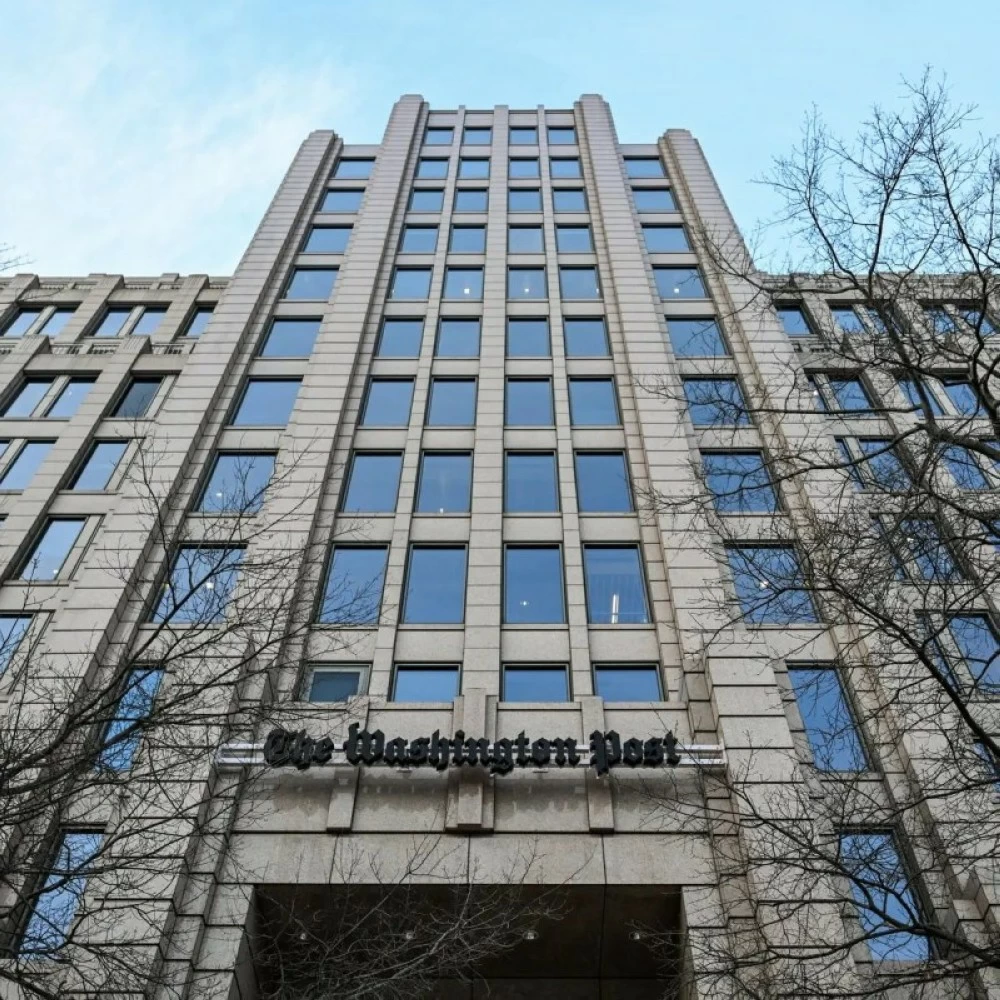
أعلنت The Washington Post بدء تنفيذ موجة واسعة من تسريحات الموظفين تشمل أكثر من 300 صحفي من أصل نحو 800 في غرفة الأخبار، إضافة إلى موظفين في القطاعات الإدارية والتجارية، ما يؤدي إلى تقليص إجمالي القوة العاملة في المؤسسة بنحو 30%.
وأفادت الصحيفة أن هذه الخطوة ستنعكس مباشرة على تغطيات الأخبار المحلية والدولية والرياضية، في إطار توجه تحريري جديد يركز بصورة أكبر على الأخبار الوطنية والسياسة، إلى جانب ملفات الأعمال والصحة. وأوضح رئيس التحرير التنفيذي مات موراي في اتصال مع العاملين أن المؤسسة تكبدت خسائر مالية متراكمة على مدى فترة طويلة، ولم تعد تلبي احتياجات القراء بالشكل المطلوب في ظل بيئة إعلامية رقمية شديدة التنافس.
وأشار موراي إلى أن نموذج العمل السابق كان يعتمد على هيمنة الصحيفة في سوق الطباعة المحلية، وهو نموذج لم يعد يتماشى مع التحولات الرقمية الحالية، لافتًا إلى أن حركة الزيارات القادمة من محركات البحث تراجعت بنحو 50% خلال السنوات الثلاث الماضية، وهو تراجع يعزى جزئيًا إلى صعود تقنيات الذكاء الاصطناعي التوليدي وتأثيرها على أنماط استهلاك الأخبار. كما أوضح أن حجم الإنتاج اليومي للمواد الصحفية انخفض بشكل ملحوظ خلال السنوات الخمس الأخيرة.
وتأتي هذه الإجراءات في سياق أوسع من الضغوط المالية التي تواجهها المؤسسات الإعلامية التقليدية في الولايات المتحدة، وسط محاولات متواصلة لإعادة بناء نماذج أعمال رقمية مستدامة. ويرى مراقبون أن هذه الخطوة قد تؤدي إلى تقليص نطاق التغطية في بعض المجالات، مقابل تعزيز التركيز على المحتوى الذي يُعتقد أنه أكثر قدرة على جذب الاشتراكات الرقمية والإيرادات الإعلانية.
The Washington Post announced the start of a wide wave of layoffs affecting more than 300 journalists out of about 800 in the newsroom, in addition to employees in administrative and commercial sectors, leading to a reduction of the total workforce in the organization by about 30%.
The newspaper reported that this step will directly impact coverage of local, international, and sports news, as part of a new editorial direction that focuses more on national news and politics, alongside business and health issues. Executive Editor Matt Murray explained in a call with staff that the organization has incurred accumulated financial losses over a long period and is no longer meeting readers' needs as required in a highly competitive digital media environment.
Murray pointed out that the previous business model relied on the newspaper's dominance in the local print market, a model that no longer aligns with current digital transformations, noting that traffic coming from search engines has decreased by about 50% over the past three years, a decline partially attributed to the rise of generative artificial intelligence technologies and their impact on news consumption patterns. He also clarified that the daily production volume of journalistic materials has significantly decreased over the past five years.
These measures come in the context of broader financial pressures facing traditional media organizations in the United States, amid ongoing attempts to rebuild sustainable digital business models. Observers believe that this step may lead to a reduction in coverage scope in some areas, while enhancing the focus on content that is believed to be more capable of attracting digital subscriptions and advertising revenue.