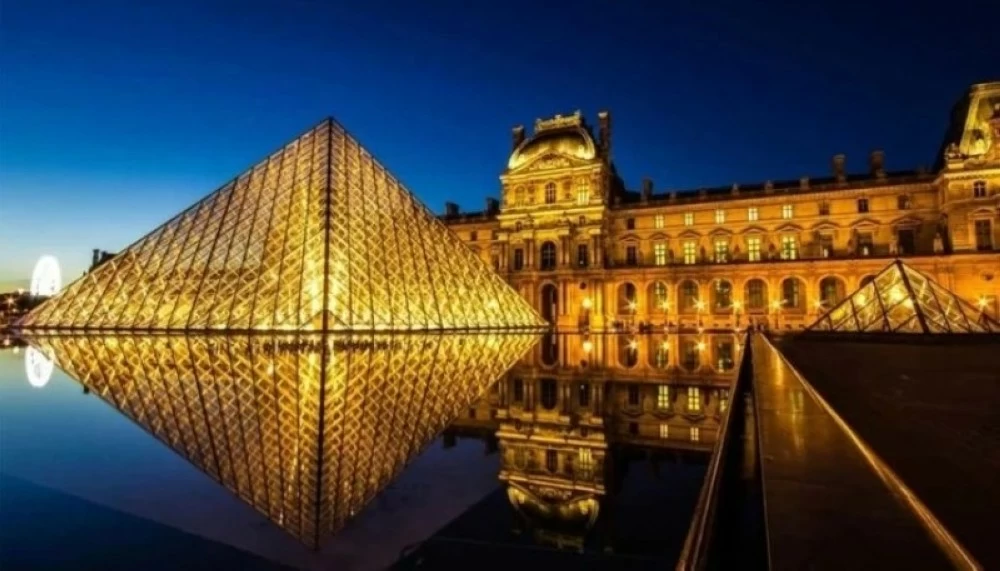
في واحدة من أكثر الحوادث إحراجاً لأبرز متاحف العالم، شهد قسم الآثار المصرية في متحف اللوفر بباريس فيضاناً مفاجئاً مساء 27 نوفمبر 2025، بعدما تدفقت مياه ملوثة إلى مكتبة القسم، لتصيب كنوزاً ورقية نادرة بأضرار وصفت بـ«الكارثية».
المياه التي تسربت قبيل التاسعة ليلاً لم تكتفِ بتدمير السجاد والمكاتب، بل امتدت إلى ما يقرب من 400 مجلد أثري، بعضها تلف تماماً، وبعضها الآخر يحتاج إلى عمليات ترميم معقدة قد لا تنجح في إنقاذه.
والأخطر أن التسرب لم يكن مفاجئاً بالكامل. فبحسب مصادر داخل المتحف، ظل موظفو القسم يقرعون جرس الإنذار لسنوات، محذرين من أنابيب متهالكة تمر فوق المكتبة مباشرة، ومن احتمال انفجارها في أي لحظة.
لكن شكاواهم – وفق ما نشرته مجلة La Tribune de l'Art كانت تُقابل بالرفض أو التجاهل. حتى طلبات شراء أثاث مخصص لحفظ مجموعات ثمينة مثل وصف مصر وكتاب ليبسيوس الشهير كانت تُرفض مراراً.
والمفارقة أن الكتب النادرة التي لم يطالها الفيضان بعد، لا تزال موضوعة تحت النوافذ مباشرة، داخل أغطية بلاستيكية فقاعية لا تكفي لحمايتها في حال هبوب عاصفة.
وتصبح الصورة أكثر غرابة حين نعرف أن مكاتب الإدارة العامة المجاورة للمكتبة خضعت قبل فترة قصيرة لتجديدات بلغت قيمتها 276 ألف يورو، ذهب معظمها إلى أثاث فاخر، وفق تقرير لمحكمة المراجعين.
في المقابل، ظلت مكتبة آثار مصر (التي تضم أعمالاً لا تُقدّر بثمن) بلا حماية حقيقية من كارثة كانت مسألة وقت فقط.
الكارثة الأخيرة لم تكن الأولى، فقد شهد الموقع نفسه تسرباً أصغر قبل أسبوع واحد فقط، ما يطرح أسئلة حادة حول البنية التحتية، وإدارة الأزمات، وأولويات المتحف الأشهر عالمياً.
In one of the most embarrassing incidents for the world's leading museums, the Egyptian antiquities section at the Louvre Museum in Paris experienced a sudden flood on the evening of November 27, 2025, as contaminated water flowed into the section's library, causing damage to rare paper treasures described as "catastrophic."
The water that leaked just before nine o'clock at night not only destroyed carpets and desks but also reached nearly 400 ancient volumes, some of which were completely ruined, while others require complex restoration processes that may not succeed in saving them.
What is more alarming is that the leak was not entirely unexpected. According to sources within the museum, the section's staff had been sounding the alarm for years, warning about dilapidated pipes running directly above the library and the possibility of them bursting at any moment.
However, their complaints – as reported by La Tribune de l'Art – were met with rejection or indifference. Even requests to purchase furniture specifically designed to protect valuable collections such as Description de l'Égypte and the famous book by Lepsius were repeatedly denied.
Ironically, the rare books that were not affected by the flood are still placed directly under the windows, inside bubble wrap covers that are insufficient to protect them in the event of a storm.
The situation becomes even stranger when we learn that the general administration offices adjacent to the library underwent renovations worth 276,000 euros not long ago, most of which went to luxury furniture, according to a report from the Court of Auditors.
In contrast, the Egyptian antiquities library (which houses priceless works) remained without any real protection from a disaster that was only a matter of time.
This recent disaster was not the first; the same site experienced a smaller leak just one week prior, raising sharp questions about infrastructure, crisis management, and the priorities of the world's most famous museum.