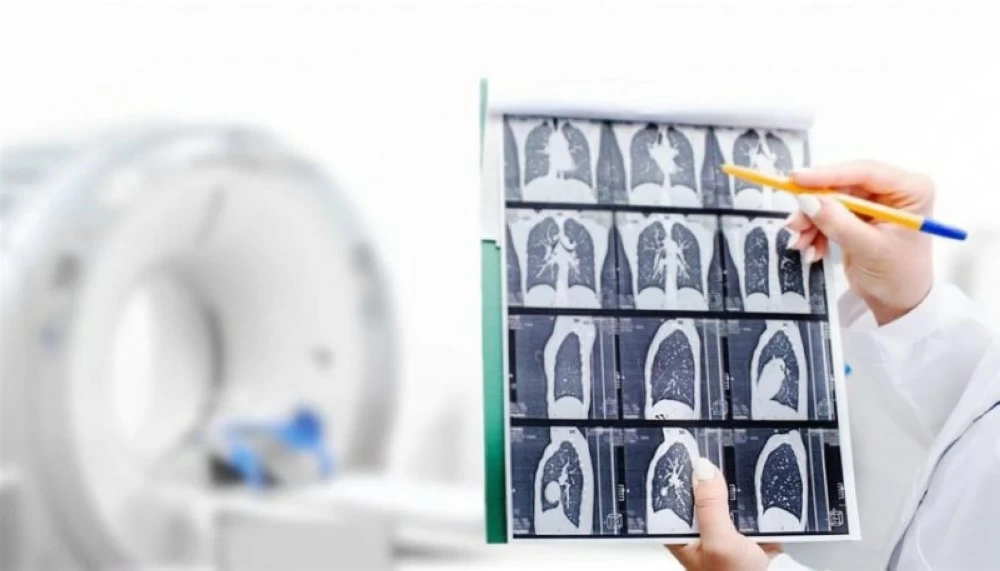
تؤكد دراسات طبية حديثة أن تعميم فحص الأشعة المقطعية منخفضة الجرعة للمدخنين الحاليين والسابقين، قد يمثل نقطة التحول الأكثر فعالية في خفض وفيات سرطان الرئة، السرطان الأكثر فتكاً عالمياً، الذي غالباً ما يُكتشف في مراحل متأخرة تُضعف فرص العلاج والنجاة بشكل كبير. وبحسب التحليلات القائمة على بيانات المسح الوطني الأمريكي، فإن نحو 19% فقط من المؤهلين يخضعون حالياً لهذا الفحص، ما يعني أن فجوة كبيرة ما زالت تفصل بين الإمكانات المتاحة والنتائج المرجوّة.
وتشير هذه البيانات إلى أنه في حال تم رفع نسبة الفحص إلى 100% من الفئات المستهدفة، يمكن تجنّب ما يقارب 30 ألف وفاة إضافية سنوياً في الولايات المتحدة وحدها، وتحقيق ما يزيد على 482 ألف سنة حياة مكتسبة.
Recent medical studies confirm that the widespread implementation of low-dose CT scans for current and former smokers may represent the most effective turning point in reducing lung cancer mortality, the deadliest cancer globally, which is often detected in late stages that significantly weaken treatment and survival chances. According to analyses based on data from the U.S. National Health Survey, only about 19% of those eligible currently undergo this screening, indicating that a significant gap still exists between available opportunities and desired outcomes.
This data suggests that if the screening rate were raised to 100% among the targeted groups, approximately 30,000 additional deaths could be avoided annually in the United States alone, resulting in over 482,000 years of life gained.