دواء الكوليسترول بارقة أمل لعلاج سرطان الكبد
17 سبتمبر 2025 - 01:51
|
آخر تحديث 17 سبتمبر 2025 - 01:51


تابع قناة عكاظ على الواتساب
«عكاظ» (جدة) OKAZ_online@
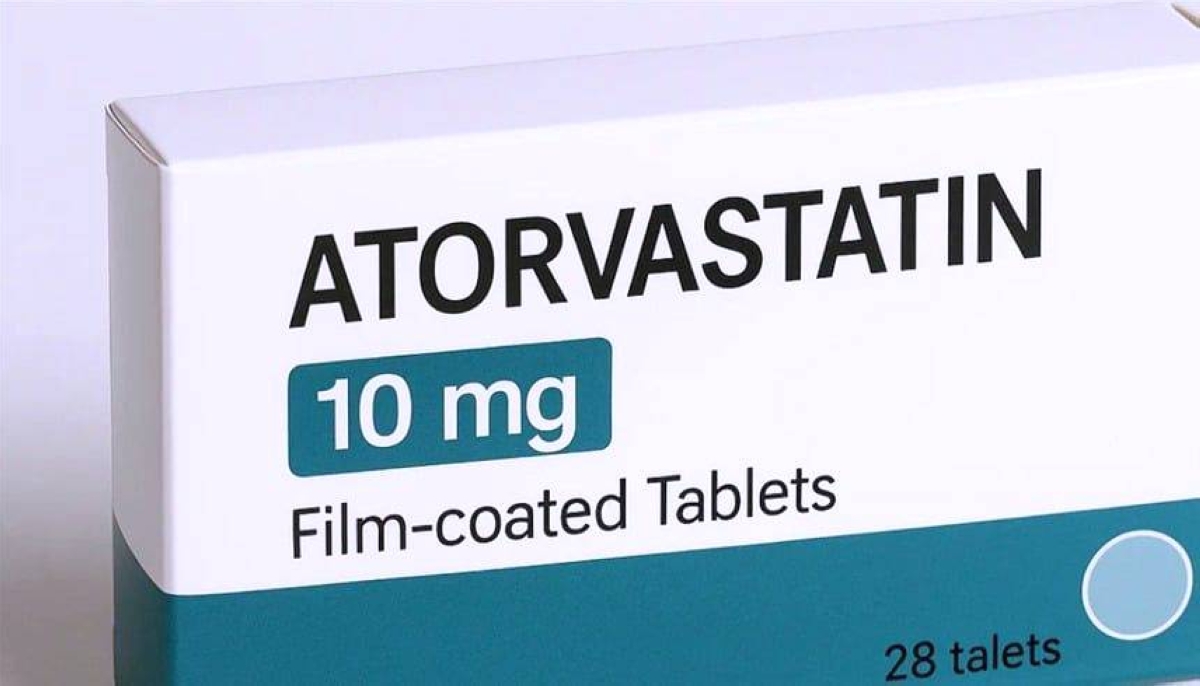
اكتشف فريق بحثي من جامعة هونغ كونغ، أن دواء «أتورفاستاتين»، وهو أحد أكثر الأدوية شيوعًا لخفض الكوليسترول، يمكن أن يمثل نقلة نوعية في علاج سرطان الكبد. الدراسة أوضحت، أن هذا العقار، المعروف بسلامته وانخفاض تكلفته، يستطيع تعطيل «مسار الميفالونات»، وهو مسار أيضي أساسي لنمو وبقاء خلايا سرطان الكبد، ما يجعله هدفًا إستراتيجيًا لعلاج المرض. النتائج مثّلت بارقة أمل خاصة لمرضى سرطان الكبد المرتبطين بمرض الكبد الدهني الناتج عن الأنماط الغذائية الغنية بالدهون، حيث تكون خيارات العلاج محدودة ونسب الاستجابة ضعيفة. فريق البحث بيّن أن الجمع بين «أتورفاستاتين» والعلاجات الحالية، مثل «لينفاتينيب» أو مضادات PD-1، أدى إلى تحسين فعالية العلاج في النماذج المختبرية، ما يشير إلى إمكانية استخدامه لتعزيز استجابة المرضى للعلاجات المناعية. الفريق البحثي يستعد لإجراء تجارب سريرية موسعة للتحقق من هذه النتائج تمهيدًا لاعتماد هذا النهج كخيار علاجي جديد. هذا التطور يُعد خطوة نحو تمكين الأطباء من توفير علاج آمن ومتاح لشريحة أكبر من المرضى، وتحسين جودة الحياة لهم وتقليل معدلات الوفيات الناتجة عن هذا النوع الفتّاك من السرطان عالميًا.
A research team from the University of Hong Kong has discovered that the drug "Atorvastatin," one of the most commonly used medications for lowering cholesterol, could represent a breakthrough in the treatment of liver cancer. The study indicated that this drug, known for its safety and low cost, can disrupt the "mevalonate pathway," which is a crucial metabolic pathway for the growth and survival of liver cancer cells, making it a strategic target for treating the disease. The results represent a glimmer of hope, especially for patients with liver cancer associated with fatty liver disease resulting from high-fat dietary patterns, where treatment options are limited and response rates are low. The research team showed that combining "Atorvastatin" with current treatments, such as "Lenvatinib" or PD-1 inhibitors, improved treatment efficacy in laboratory models, suggesting its potential use to enhance patients' responses to immunotherapies. The research team is preparing to conduct extensive clinical trials to verify these results in anticipation of adopting this approach as a new treatment option. This development is considered a step towards enabling doctors to provide safe and accessible treatment for a larger segment of patients, improving their quality of life and reducing mortality rates from this deadly type of cancer globally.