دراسة: علب البلاستيك في السيارات قد تسمم الجسم
5 سبتمبر 2025 - 00:40
|
آخر تحديث 5 سبتمبر 2025 - 00:40


تابع قناة عكاظ على الواتساب
«عكاظ» (جدة) OKAZ_online@
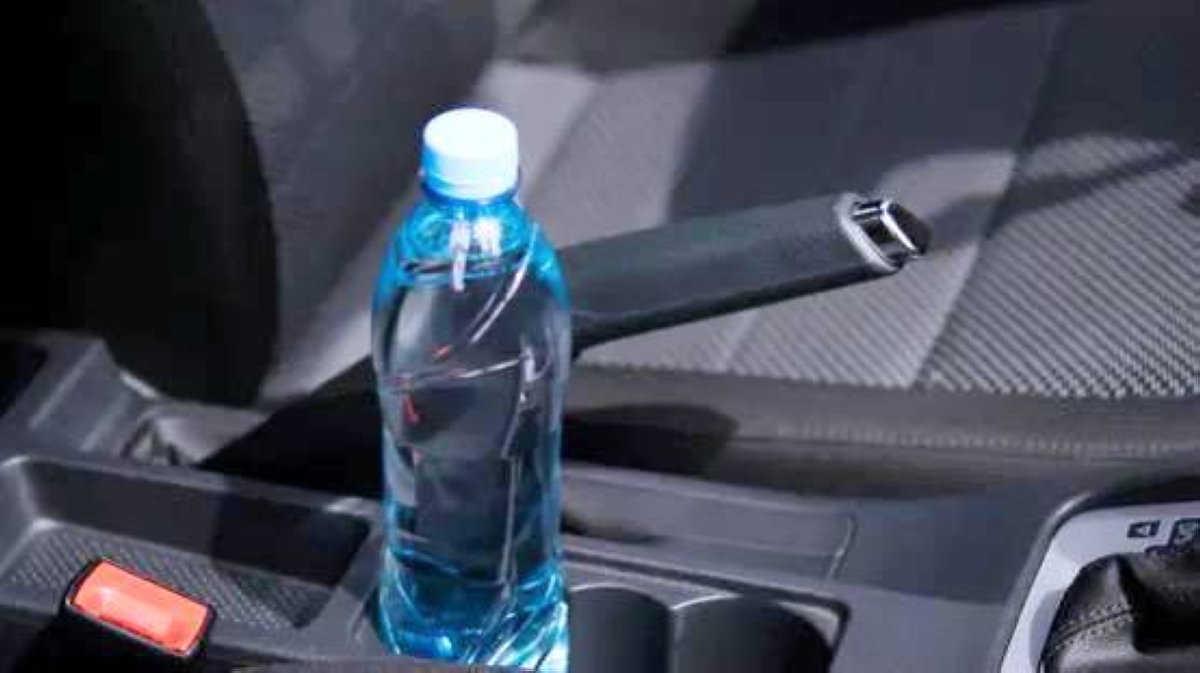
كشفت دراسة حديثة عن مخاطر صحية محتملة ناجمة عن ترك علب المياه البلاستيكية داخل السيارات المعرّضة لأشعة الشمس فترات طويلة، إذ يمكن أن تؤدي الحرارة المرتفعة إلى تسرب مواد كيميائية سامة إلى الماء، وهو ما يرفع من احتمالات التسمم على المدى الطويل. وأكد الباحثون أن هذه المواد تشمل جزيئات دقيقة من البلاستيك ومواد مثل (ثنائي الفينول)؛ التي ترتبط بزيادة مخاطر اضطرابات هرمونية وأمراض مزمنة. وبحسب باحثين من جامعة (مكغيل) الكندية، فإن نتائج التحليل أظهرت أن ترك العلب البلاستيكية في بيئة مغلقة تحت أشعة الشمس المباشرة يؤدي إلى تسارع معدلات التسرب الكيميائي، خصوصاً عند إعادة استخدام العلبة أكثر من مرة. وأوصت الدراسة المستهلكين بعدم ترك العلب داخل السيارات واستبدالها بعلب معدنية أو زجاجية آمنة عند الحاجة. كما شددت على ضرورة توعية الأفراد بالممارسات اليومية البسيطة التي قد تؤثر بشكل كبير على صحتهم على المدى الطويل، مشيرة إلى أن التغيرات الصغيرة في العادات يمكن أن تمنع نتائج صحية سلبية واسعة النطاق.
A recent study revealed potential health risks associated with leaving plastic water bottles inside cars exposed to sunlight for extended periods. The high temperatures can cause toxic chemicals to leach into the water, increasing the likelihood of long-term poisoning. Researchers confirmed that these substances include microplastic particles and materials such as bisphenol, which are linked to an increased risk of hormonal disorders and chronic diseases. According to researchers from McGill University in Canada, the analysis results showed that leaving plastic bottles in a closed environment under direct sunlight accelerates the rates of chemical leaching, especially when the bottle is reused multiple times. The study recommended that consumers avoid leaving bottles inside cars and replace them with safe metal or glass containers when needed. It also emphasized the importance of raising awareness among individuals about simple daily practices that can significantly impact their long-term health, noting that small changes in habits can prevent widespread negative health outcomes.