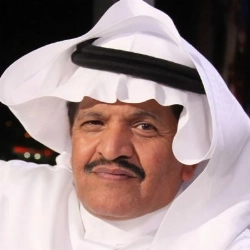
في تاريخ التشكيل السعودي، يقف اسم الدكتور عبدالحليم رضوي كمنارة أولى، أشبه بومضة انطلقت من قلب مكة لتضيء سماء الفن العربي، ثم لتجد صداها في فضاءات العالم الرحبة. وُلد في حي أجياد 1939م، وسط ضيق الحال وثقل اليتم، لكنه حوّل عسره إلى إصرار، وحاجته إلى زادٍ من الخيال، ليكتب أول فصول مسيرة ستظل علامة فارقة في ذاكرة الفنون العربية الحديثة.
لم يكن رضوي فناناً عابراً، بل كان رائداً عصامياً شق طريقه من البساطة إلى العالمية. منذ لوحته الأولى (القربة) التي حصدت المركز الأول على مستوى المملكة، بدا وكأنه يفتح نافذة لزمن جديد، زمن يرفع الفن التشكيلي من الهامش إلى المتن. سافر على نفقته إلى روما، وتخرَّج من كلية الفنون الجميلة عام 1964م، ثم عاد ليتوِّج تجربته بدكتوراه من مدريد عام 1979م حول أثر الفن العربي في الغرب، وكأنه أراد أن يكتب عهداً بأن الهوية ليست عائقاً بل بوابة كبرى إلى الكونية.
في أعماله، كانت الدائرة أكثر من شكل؛ كانت رمزاً للانفتاح والديمومة، وكانت الألوان الصاخبة بريقاً يعكس طاقة الحياة، فيما كان الحرف العربي في لوحاته نغمةً تتقاطع فيها الموسيقى البصرية مع الذاكرة الإسلامية. لم يكن يرسم لمجرد الزينة، بل كان ينسج خطاباً بصرياً يردّ على سؤال الهوية في زمن التحديث. ولهذا وُصفت أعماله بأنها «فن يقرأ التراث بحبر الحداثة».
إنتاجه الغزير -أكثر من 3300 عمل- كان شاهداً على نهمه الإبداعي، لكنه لم يقف عند حدود المرسم، بل خرج إلى الشارع، إلى جدة تحديداً، حيث زرع 33 مجسماً جمالياً جعلت من المدينة متحفاً مفتوحاً. تلك المجسمات لم تكن أحجاراً منحوتة، بل شواهد حضارية تقول إن للفن مكانه في الفضاء العام، وإن الجمال جزء من نسيج الحياة اليومية.
وإلى جانب دوره الإبداعي، أسس رضوي بنية مؤسسية للفن في المملكة: من إدارة مركز الفنون في جدة، إلى قيادة جمعية الثقافة والفنون، إلى نشاطه في المحافل الدولية. كان صوته فاعلاً، وحضوره مؤثراً، وحرصه على أن يكون الفن جسراً بين المملكة والعالم لا يقل عن حرصه على أن يترك أثراً في نفوس طلابه وزملائه.
لم يكن غريباً أن تصل أعماله إلى متاحف كبرى في مدريد وريو دي جانيرو وزيورخ وتونس والرباط، وأن تُعرض في أكثر من 100 معرض دولي. لقد تجاوز رضوي حدود الجغرافيا، ليصير جزءاً من السردية العالمية للفن الحديث، شاهداً على أن الريشة السعودية قادرة على الحضور تحت ضوء المتاحف الكبرى.
في 2006م، وفي السابعة والستين من عمره، خطف الموت قلبه فجأة، لكن إرثه بقي شاهداً: لوحات، مجسمات، مؤلفات، وجوائز تزيّن سيرته. غير أن أعظم ما تركه لم يكن مجرد الأثر المادي، بل ذلك الحلم الذي غرسه في الوعي الجمعي بأن الفن ليس ترفاً، بل هو كتابة أخرى للتاريخ، وصوت آخر للأمة، وذاكرة ملوّنة تحفظ ملامحها للأجيال.
#بروفايل
عبدالحليم رضوي.. النص البصري اللوني في عمق التشكيل السعودي
5 سبتمبر 2025 - 00:40
|
آخر تحديث 5 سبتمبر 2025 - 00:40
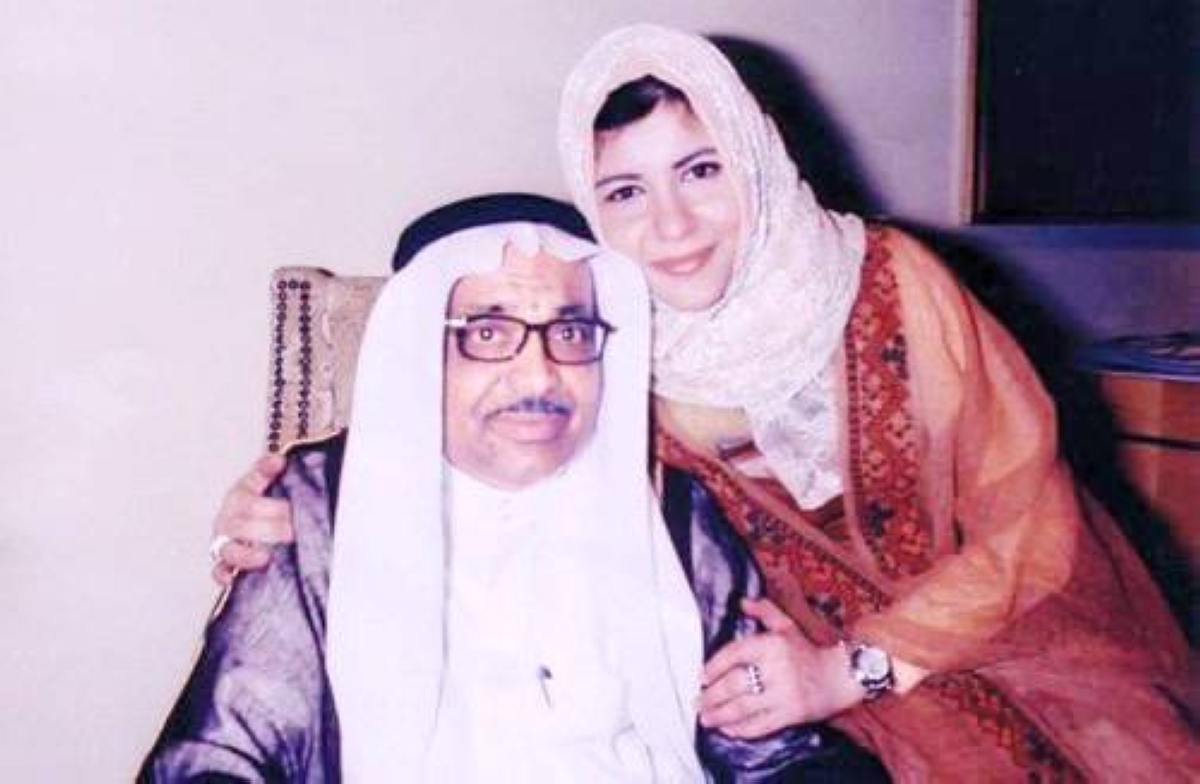
عبدالحليم رضوي مع ابنته مها.


تابع قناة عكاظ على الواتساب
«عكاظ» (جدة) OKAZ_online@
In the history of Saudi formation, the name of Dr. Abdulhalim Radwi stands as a primary beacon, akin to a flash that emerged from the heart of Mecca to illuminate the sky of Arab art, only to find its echo in the vast spaces of the world. Born in the Ajyad neighborhood in 1939, amidst hardship and the weight of orphanhood, he transformed his adversity into determination, and his need into a source of imagination, to write the first chapters of a journey that will remain a landmark in the memory of modern Arab arts.
Radwi was not a fleeting artist; he was a self-made pioneer who carved his path from simplicity to global recognition. From his first painting (The Water Skin), which won first place at the national level, it seemed as if he was opening a window to a new era, an era that elevates visual art from the margins to the center. He traveled at his own expense to Rome, graduated from the College of Fine Arts in 1964, and then returned to crown his experience with a PhD from Madrid in 1979 on the impact of Arab art in the West, as if he wanted to declare that identity is not a barrier but a grand gateway to universality.
In his works, the circle was more than just a shape; it was a symbol of openness and continuity, while the vibrant colors were a sparkle reflecting the energy of life. The Arabic script in his paintings was a melody where visual music intersected with Islamic memory. He did not paint merely for decoration; he wove a visual discourse that responded to the question of identity in an age of modernization. For this reason, his works were described as "art that reads heritage with the ink of modernity."
His prolific output—over 3,300 works—was a testament to his creative hunger, but he did not confine himself to the studio; he took his art to the streets, specifically to Jeddah, where he planted 33 aesthetic sculptures that turned the city into an open museum. These sculptures were not mere carved stones; they were cultural markers asserting that art has its place in public space, and that beauty is part of the fabric of daily life.
Alongside his creative role, Radwi established an institutional framework for art in the Kingdom: from managing the Arts Center in Jeddah, to leading the Culture and Arts Association, to his activities in international forums. His voice was impactful, his presence influential, and his commitment to making art a bridge between the Kingdom and the world was no less than his dedication to leaving a mark on the souls of his students and colleagues.
It was not surprising that his works reached major museums in Madrid, Rio de Janeiro, Zurich, Tunis, and Rabat, and were exhibited in over 100 international exhibitions. Radwi transcended geographical boundaries, becoming part of the global narrative of modern art, a testament that the Saudi brush is capable of shining under the light of major museums.
In 2006, at the age of sixty-seven, death suddenly seized his heart, but his legacy remained a testament: paintings, sculptures, writings, and awards embellishing his biography. However, the greatest thing he left behind was not merely the material impact, but that dream he instilled in the collective consciousness that art is not a luxury, but another way of writing history, another voice for the nation, and a colorful memory that preserves its features for generations.
Radwi was not a fleeting artist; he was a self-made pioneer who carved his path from simplicity to global recognition. From his first painting (The Water Skin), which won first place at the national level, it seemed as if he was opening a window to a new era, an era that elevates visual art from the margins to the center. He traveled at his own expense to Rome, graduated from the College of Fine Arts in 1964, and then returned to crown his experience with a PhD from Madrid in 1979 on the impact of Arab art in the West, as if he wanted to declare that identity is not a barrier but a grand gateway to universality.
In his works, the circle was more than just a shape; it was a symbol of openness and continuity, while the vibrant colors were a sparkle reflecting the energy of life. The Arabic script in his paintings was a melody where visual music intersected with Islamic memory. He did not paint merely for decoration; he wove a visual discourse that responded to the question of identity in an age of modernization. For this reason, his works were described as "art that reads heritage with the ink of modernity."
His prolific output—over 3,300 works—was a testament to his creative hunger, but he did not confine himself to the studio; he took his art to the streets, specifically to Jeddah, where he planted 33 aesthetic sculptures that turned the city into an open museum. These sculptures were not mere carved stones; they were cultural markers asserting that art has its place in public space, and that beauty is part of the fabric of daily life.
Alongside his creative role, Radwi established an institutional framework for art in the Kingdom: from managing the Arts Center in Jeddah, to leading the Culture and Arts Association, to his activities in international forums. His voice was impactful, his presence influential, and his commitment to making art a bridge between the Kingdom and the world was no less than his dedication to leaving a mark on the souls of his students and colleagues.
It was not surprising that his works reached major museums in Madrid, Rio de Janeiro, Zurich, Tunis, and Rabat, and were exhibited in over 100 international exhibitions. Radwi transcended geographical boundaries, becoming part of the global narrative of modern art, a testament that the Saudi brush is capable of shining under the light of major museums.
In 2006, at the age of sixty-seven, death suddenly seized his heart, but his legacy remained a testament: paintings, sculptures, writings, and awards embellishing his biography. However, the greatest thing he left behind was not merely the material impact, but that dream he instilled in the collective consciousness that art is not a luxury, but another way of writing history, another voice for the nation, and a colorful memory that preserves its features for generations.