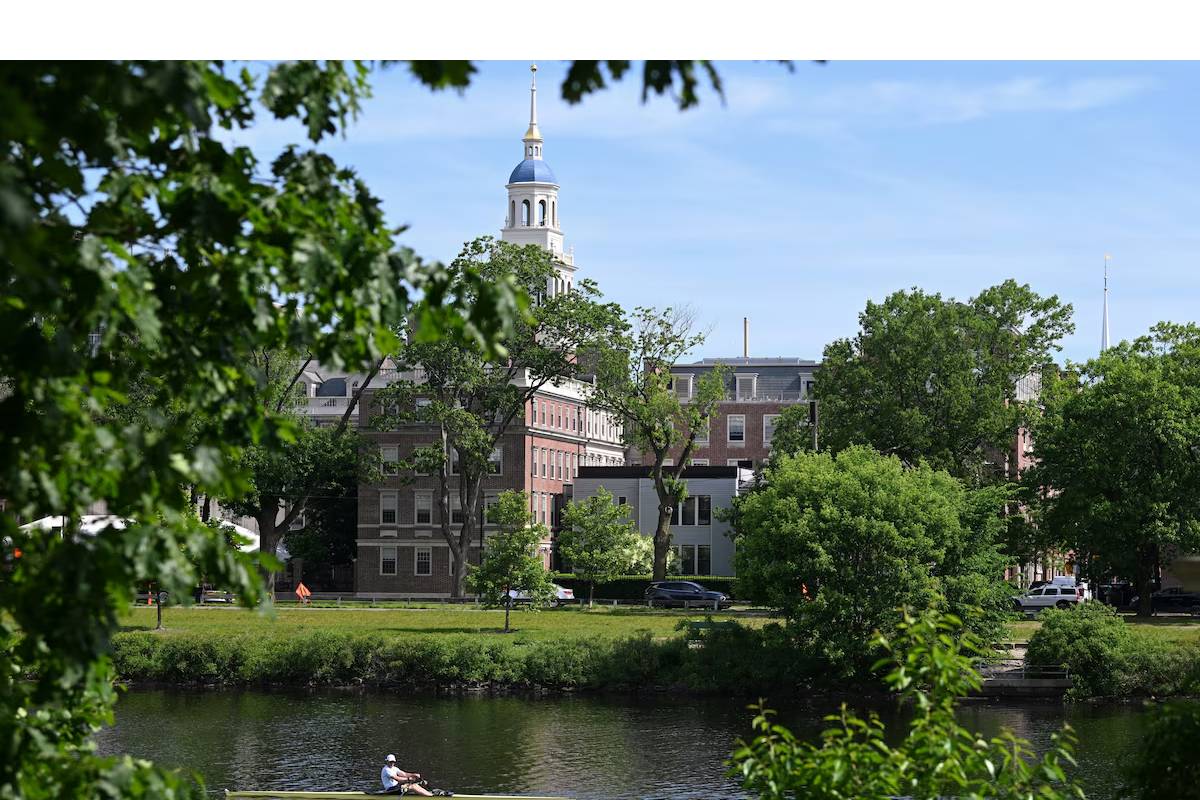
في ضربة قضائية لإدارة الرئيس الأمريكي السابق دونالد ترمب، قضت محكمة فيدرالية في بوسطن بأن قرار الإدارة بتجميد التمويل الفيدرالي المخصص لجامعة هارفارد بسبب مزاعم «انتهاكات تتعلق بمعاداة السامية» يُعد انتهاكًا للدستور الأمريكي.
وقالت صحيفة واشنطن بوست إن القرار الذي صدر أمس (الأربعاء) شكّل انتصارًا كبيرًا لجامعة هارفارد التي اعتبرت أن خطوة الإدارة كانت محاولة للضغط السياسي والانتقام من أقدم الجامعات الأمريكية، في مسعى لفرض تغييرات على سياسات التعليم العالي في البلاد.
وأكد القاضي أن الحكومة لا تملك الحق في استخدام التمويل كأداة لمعاقبة المؤسسات الأكاديمية أو تقييد حرية البحث والتعليم، مشددًا على أن مثل هذه الإجراءات تقوّض المبادئ الدستورية الأساسية.
وأثار الخبر تفاعلًا واسعًا بين الأوساط الأكاديمية والسياسية، إذ رأى كثيرون أن الحكم يمثل دفاعًا عن حرية الجامعات واستقلاليتها، فيما يُعدّ انتكاسة لجهود البيت الأبيض السابق للسيطرة على سياسات التعليم العالي.
ويأتي القرار في وقت يتزايد فيه الجدل حول العلاقة بين الحكومة الفيدرالية والجامعات الكبرى، وسط انقسامات سياسية حادة تتعلق بحرية التعبير، والتمويل، وقضايا الهوية في مؤسسات التعليم العالي الأمريكية.
In a judicial blow to the administration of former U.S. President Donald Trump, a federal court in Boston ruled that the administration's decision to freeze federal funding allocated to Harvard University due to allegations of "anti-Semitic violations" constitutes a violation of the U.S. Constitution.
The Washington Post reported that the decision, issued yesterday (Wednesday), represented a major victory for Harvard University, which considered the administration's move an attempt at political pressure and retaliation against one of the oldest universities in the U.S., in an effort to impose changes on higher education policies in the country.
The judge affirmed that the government does not have the right to use funding as a tool to punish academic institutions or restrict freedom of research and education, emphasizing that such actions undermine fundamental constitutional principles.
The news sparked widespread reactions among academic and political circles, as many viewed the ruling as a defense of university freedom and independence, while it is considered a setback for the previous White House's efforts to control higher education policies.
The decision comes at a time when the debate over the relationship between the federal government and major universities is intensifying, amid sharp political divisions related to freedom of expression, funding, and identity issues in American higher education institutions.