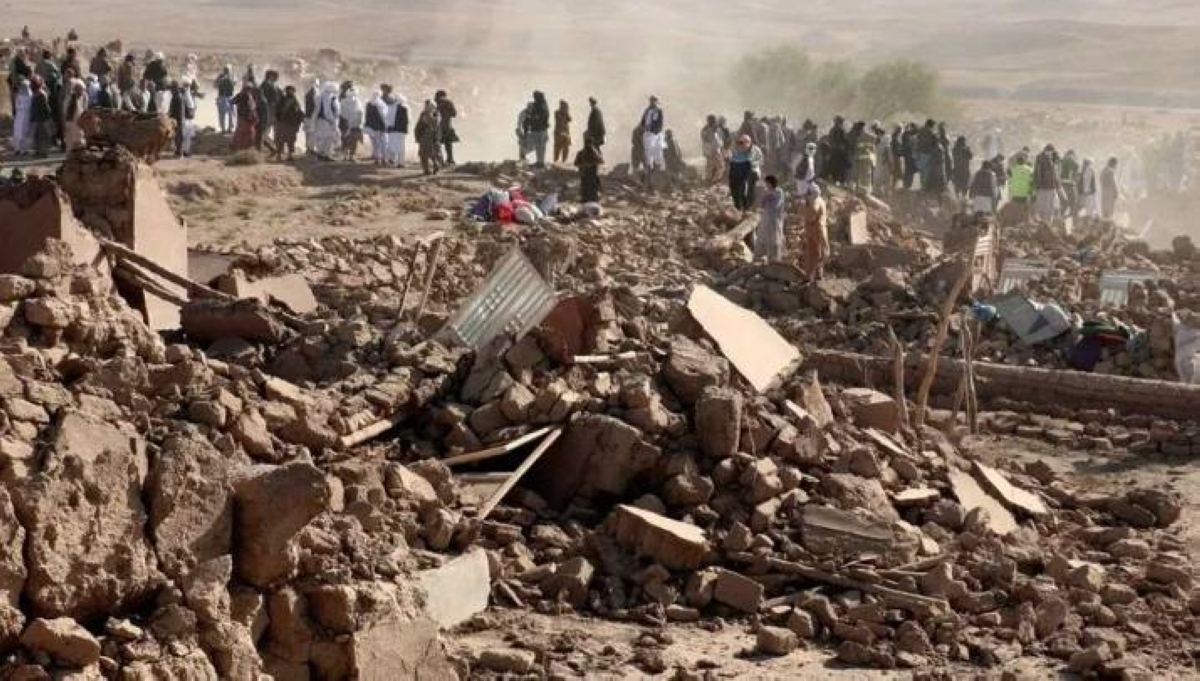
أعلن مكتب الأمم المتحدة لتنسيق الشؤون الإنسانية (أوتشا) أن الزلزال الذي ضرب إقليم ننكرهار شرقي أفغانستان أسفر عن تضرر 12 ألف شخص بشكل مباشر، وفق الإحصاءات الأولية، مشيراً إلى أن جهود الإنقاذ تواجه تحديات كبيرة بسبب انقطاع الطرق ونقص الموارد.
ووقع مركز الزلزال في منطقة كاما، على بعد 30 كيلومتراً شمال شرق مدينة جلال آباد، وامتدت آثاره إلى أقاليم كونار ولغمان ونورستان، مع هزات ارتدادية متتالية، وأفادت تقارير أولية بمقتل 812 شخصاً وإصابة 2800 آخرين، معظمهم في مناطق جبلية نائية تعيق جهود الإنقاذ بسبب الانهيارات الأرضية والتضاريس الوعرة.
وأوضح «أوتشا» أن الزلزال دمر قرى بأكملها، خصوصاً في مناطق تشاوكاي ونورغال في كونار ودارا إي نور في ننكرهار، حيث تسبب العمق الضحل للزلزال (8-10 كيلومترات) في تضخيم الدمار، ما أدى إلى انهيار مئات المنازل المبنية من الطين والحجر.
وأشار إلى أن جهود الإنقاذ تواجه تحديات كبيرة بسبب انقطاع الطرق ونقص الموارد، حيث تم نشر 20 فريق تقييم طارئ في المناطق المتضررة، مع خطط لإرسال خمسة فرق إضافية، كما أرسلت السلطات المحلية 35 سيارة إسعاف وإمدادات طبية عبر مروحيات إلى مستشفيات كونار وننكرهار الإقليمية، التي تعاني من نقص في القدرات.
وأكد «أوتشا» أن الأزمة الإنسانية في أفغانستان، التي تعاني بالفعل من نقص التمويل وتفاقم الاحتياجات، تجعل الاستجابة لهذا الزلزال أكثر تعقيداً، ودعا إلى تخصيص تمويل عاجل من صندوق الطوارئ المركزي والصندوق الإنساني الأفغاني، مع التنسيق مع السلطات الفعلية والمنظمات غير الحكومية لتقديم الغذاء والمأوى والإمدادات الطبية.
وأبدت دول مثل الهند وإيران استعدادها لتقديم مساعدات، وأرسلت الهند 1000 خيمة و15 طناً من المواد الغذائية، بينما تعهدت إيران بإمدادات طبية. وتأتي هذه الكارثة في وقت تعاني أفغانستان من أزمة إنسانية غير مسبوقة، حيث يحتاج 22.9 مليون شخص – أي نصف السكان تقريباً – إلى مساعدات إنسانية للبقاء في 2025، وفقاً لتقرير «أوتشا» الصادر في مارس 2025.
وتشهد أفغانستان تحديات معقدة تشمل الاقتصاد الهش، ونقص الخدمات الأساسية، كما تفاقمت الأزمة بسبب قطع التمويل الأمريكي، ما أدى إلى إغلاق 220 مرفقاً صحياً و400 موقع تغذية، ما يؤثر على 1.8 مليون شخص، بينهم 80 ألف طفل دون سن الخامسة.
وتُعد أفغانستان عرضة للزلازل بسبب موقعها على خط الصدع الهندي الأوراسي، ما يجعلها تشهد هزات متكررة، ففي أكتوبر 2023، ضرب زلزال بقوة 6.3 درجة إقليم هرات، مخلفاً أكثر من 2000 قتيل و43 ألف متضرر، بينما قتل زلزال يونيو 2022 في باكتيكا وخوست أكثر من 1000 شخص.
وتشير تقارير «أوتشا» إلى أن الزلازل تسببت في مقتل أكثر من 7000 أفغاني خلال العقد الماضي، بمتوسط 560 وفاة سنوياً، ويعيق نقص البنية التحتية، مثل الطرق المعبدة والمستشفيات المجهزة، جهود الإغاثة، خصوصاً في المناطق الجبلية النائية التي تعتمد على مواد بناء ضعيفة.
وتتفاقم الأزمة الإنسانية في أفغانستان بسبب الكوارث المناخية المتكررة، مثل الفيضانات التي أثرت على 170 ألف شخص في 2024، والعودة القسرية لما يقرب من مليون أفغاني من باكستان منذ سبتمبر 2023، ما يزيد الضغط على الموارد المحدودة.
The United Nations Office for the Coordination of Humanitarian Affairs (OCHA) announced that the earthquake that struck the Nangarhar province in eastern Afghanistan has directly affected 12,000 people, according to preliminary statistics, noting that rescue efforts face significant challenges due to road blockages and resource shortages.
The epicenter of the earthquake was in the Kama district, about 30 kilometers northeast of Jalalabad city, with its effects extending to the provinces of Kunar, Laghman, and Nuristan, accompanied by successive aftershocks. Initial reports indicated that 812 people were killed and 2,800 others injured, most of them in remote mountainous areas that hinder rescue efforts due to landslides and rugged terrain.
OCHA clarified that the earthquake destroyed entire villages, particularly in the Chowkay and Nurgal areas of Kunar and Dara-e Noor in Nangarhar, where the shallow depth of the earthquake (8-10 kilometers) amplified the destruction, leading to the collapse of hundreds of mud and stone houses.
It pointed out that rescue efforts face significant challenges due to road blockages and resource shortages, as 20 emergency assessment teams have been deployed in the affected areas, with plans to send five additional teams. Local authorities have also dispatched 35 ambulances and medical supplies via helicopters to the regional hospitals in Kunar and Nangarhar, which are suffering from capacity shortages.
OCHA confirmed that the humanitarian crisis in Afghanistan, which is already suffering from funding shortages and worsening needs, complicates the response to this earthquake. It called for urgent funding from the Central Emergency Response Fund and the Afghan Humanitarian Fund, in coordination with the de facto authorities and NGOs to provide food, shelter, and medical supplies.
Countries such as India and Iran have expressed their readiness to provide assistance, with India sending 1,000 tents and 15 tons of food supplies, while Iran has pledged medical supplies. This disaster comes at a time when Afghanistan is facing an unprecedented humanitarian crisis, with 22.9 million people—almost half the population—needing humanitarian assistance to survive in 2025, according to an OCHA report released in March 2025.
Afghanistan is facing complex challenges, including a fragile economy and a lack of basic services, exacerbated by cuts in U.S. funding, which have led to the closure of 220 health facilities and 400 nutrition sites, affecting 1.8 million people, including 80,000 children under the age of five.
Afghanistan is prone to earthquakes due to its location on the Indian-Eurasian fault line, resulting in frequent tremors. In October 2023, a 6.3 magnitude earthquake struck Herat province, leaving more than 2,000 dead and 43,000 affected, while a June 2022 earthquake in Paktika and Khost killed over 1,000 people.
OCHA reports indicate that earthquakes have caused the deaths of more than 7,000 Afghans over the past decade, with an average of 560 deaths annually. The lack of infrastructure, such as paved roads and equipped hospitals, hinders relief efforts, especially in remote mountainous areas that rely on weak building materials.
The humanitarian crisis in Afghanistan is further exacerbated by recurring climate disasters, such as floods that affected 170,000 people in 2024, and the forced return of nearly one million Afghans from Pakistan since September 2023, increasing pressure on limited resources.