اقتربت المدارس.. أعيدوا ضبط ساعات النوم بهذه الطريقة
19 أغسطس 2025 - 20:36
|
آخر تحديث 19 أغسطس 2025 - 20:36


تابع قناة عكاظ على الواتساب
«عكاظ» (جدة) OKAZ_online@
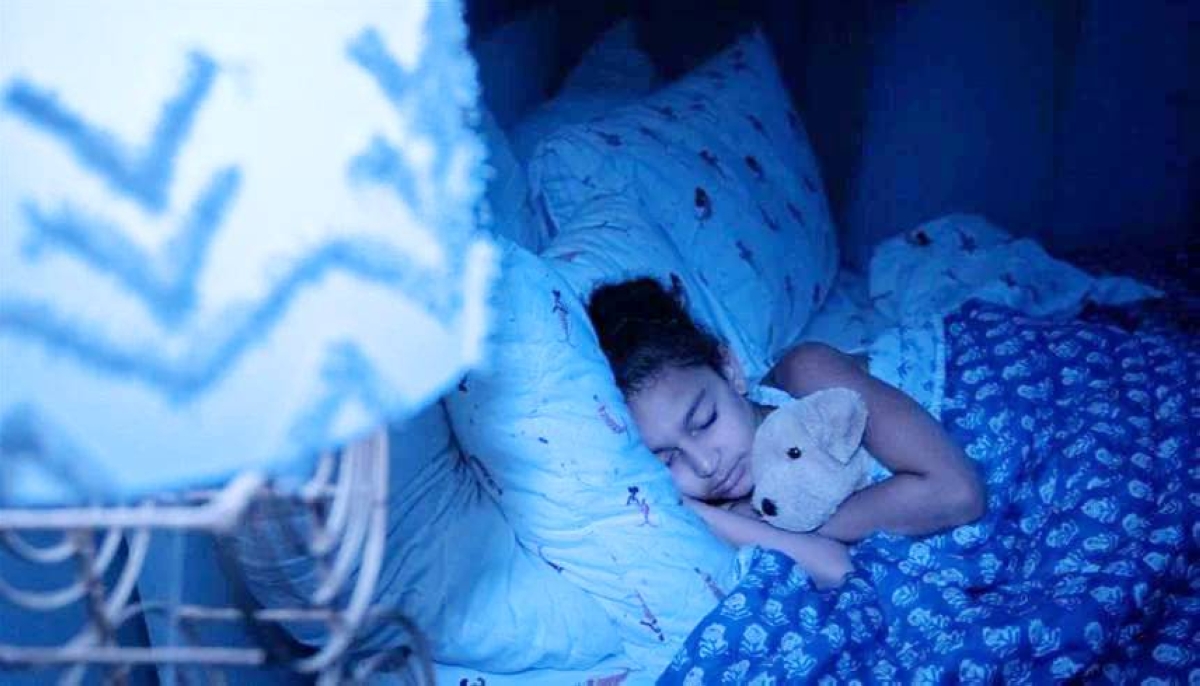
يحذّر مختصون من استمرار «فوضى النوم» المصاحبة للعطلة الصيفية مع اقتراب العودة إلى الفصول الدراسية، لما تسببه من ضعف التركيز وصعوبة الاستيقاظ وتراجع التحصيل. ووفقاً لما أورده موقع 24، توصي الإرشادات بتقديم مواعيد النوم تدريجياً قبل أسبوعين على الأقل، وإطفاء الشاشات قبل النوم بساعة لتقليل التعرض للضوء الأزرق الذي يثبط إفراز الميلاتونين، وتهيئة بيئة مظلمة وهادئة وباردة نسبياً. ويؤكد أطباء أطفال أن انتظام المواعيد في أيام الأسبوع وعطلات نهاية الأسبوع معاً ضروري لمنع اضطراب الساعة البيولوجية، وقيلولة قصيرة مبكرة خلال النهار قد تساعد مرحلياً بشرط ألا تزاحم النوم الليلي. وتشدد التوصيات على تجنب المنبهات مساءً، وتقليل السكريات الثقيلة قبل النوم، وإدماج نشاط بدني معتدل بعد الظهر لتحسين جودة النوم. وتظهر دراسات تعليمية أن انتظام النوم يرتبط بارتفاع الدرجات والسلوك الصفي الإيجابي، بينما يُضاعف السهر مخاطر القلق وتشتت الانتباه لدى المراهقين. وتلفت الإرشادات إلى دور الأسرة في وضع «روتين نوم» واضح ومعلن وتعزيزه بالمكافآت، بحيث يصبح الانتقال من إيقاع العطلة إلى المدرسة سَلِساً خالياً من الصراعات الصباحية.
Specialists warn of the continuation of "sleep chaos" accompanying the summer vacation as the return to school approaches, due to its effects on concentration, difficulty waking up, and declining academic performance. According to what was reported by the 24 website, guidelines recommend gradually adjusting sleep times at least two weeks in advance, turning off screens an hour before bedtime to reduce exposure to blue light that inhibits melatonin secretion, and creating a dark, quiet, and relatively cool environment. Pediatricians emphasize that maintaining consistent schedules on weekdays and weekends is essential to prevent disruption of the biological clock, and an early short nap during the day may help temporarily, provided it does not interfere with nighttime sleep. Recommendations stress avoiding stimulants in the evening, reducing heavy sugars before bedtime, and incorporating moderate physical activity in the afternoon to improve sleep quality. Educational studies show that regular sleep is linked to higher grades and positive classroom behavior, while staying up late doubles the risks of anxiety and attention disorders among teenagers. The guidelines highlight the role of the family in establishing a clear and communicated "sleep routine" and reinforcing it with rewards, so that the transition from vacation rhythm to school is smooth and free of morning conflicts.