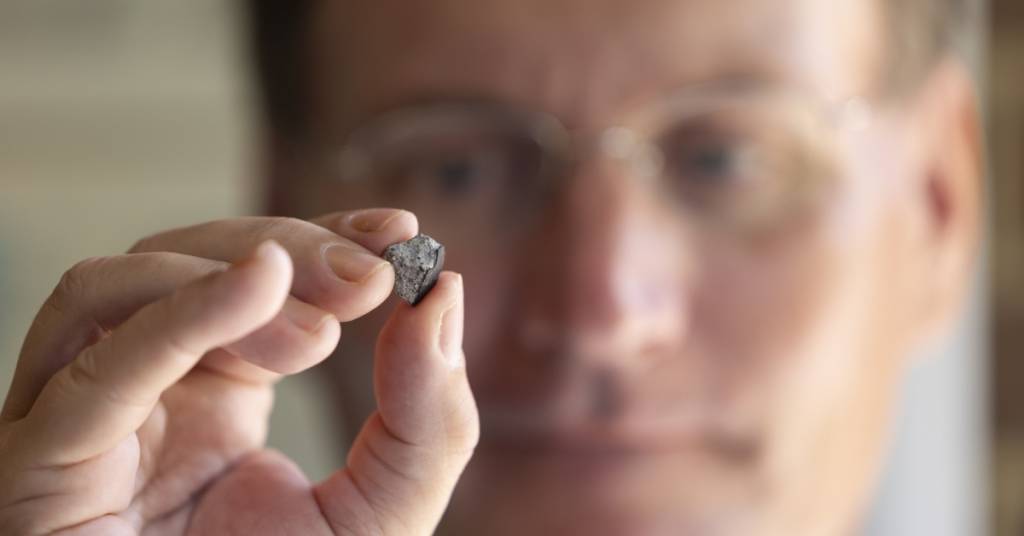
أكد علماء من جامعة جورجيا أن نيزكًا سقط في يونيو الماضي على منزل في مدينة ماكدونو بولاية جورجيا الأمريكية، أقدم من الأرض بمئات الملايين من السنين، إذ قُدّر عمره بنحو 4.56 مليار سنة، مقارنة بعمر الأرض البالغ نحو 4.5 مليار سنة.
النيزك، الذي أطلق عليه الباحثون اسم «نيزك ماكدونو»، نشأ على الأرجح من حزام الكويكبات بين المريخ والمشتري، وربما كان نتيجة انفجار هائل وقع قبل 470 مليون سنة. وقد دخل الغلاف الجوي بسرعة عالية، مكوّنًا كرة نارية شوهدت في سماء الجنوب الشرقي للولايات المتحدة، قبل أن تخترق شظية بحجم ثمرة طماطم كرزية سقف المنزل وتستقر داخله.
واستعاد العلماء 50 غرامًا من النيزك، بينها 23 غرامًا خُصصت للفحص في جامعة جورجيا. وأظهر التحليل أنه من نوع «كوندريت عادي» من الفئة L، وهي بقايا حجرية تشكلت في بيئة غنية بالأكسجين في بدايات النظام الشمسي، ما يجعله بمثابة «كبسولة زمنية» طبيعية.
ويعد «نيزك ماكدونو» النيزك السابع والعشرين الذي يُعثر عليه في تاريخ ولاية جورجيا، والسادس فقط الذي يُشاهد عند سقوطه، ما يجعله ذا قيمة علمية كبيرة. وسيُعرض جزء من شظاياه في متحف تيلوس للعلوم، فيما يستمر تحليل البقية لدراسة تاريخه وأهميته.
Scientists from the University of Georgia confirmed that a meteorite that fell last June on a house in McDonough, Georgia, USA, is hundreds of millions of years older than the Earth, with an estimated age of about 4.56 billion years, compared to the Earth's age of about 4.5 billion years.
The meteorite, which researchers named the "McDonough Meteorite," likely originated from the asteroid belt between Mars and Jupiter and may have resulted from a massive explosion that occurred 470 million years ago. It entered the atmosphere at high speed, creating a fireball seen in the southeastern sky of the United States, before a fragment the size of a cherry tomato penetrated the roof of the house and settled inside.
Scientists recovered 50 grams of the meteorite, of which 23 grams were designated for examination at the University of Georgia. Analysis showed that it is of the "ordinary chondrite" type of class L, which are rocky remnants formed in an oxygen-rich environment in the early solar system, making it a natural "time capsule."
The "McDonough Meteorite" is the twenty-seventh meteorite found in the history of Georgia, and only the sixth to be observed during its fall, making it of great scientific value. A portion of its fragments will be displayed at the Tellus Science Museum, while the rest continues to be analyzed to study its history and significance.