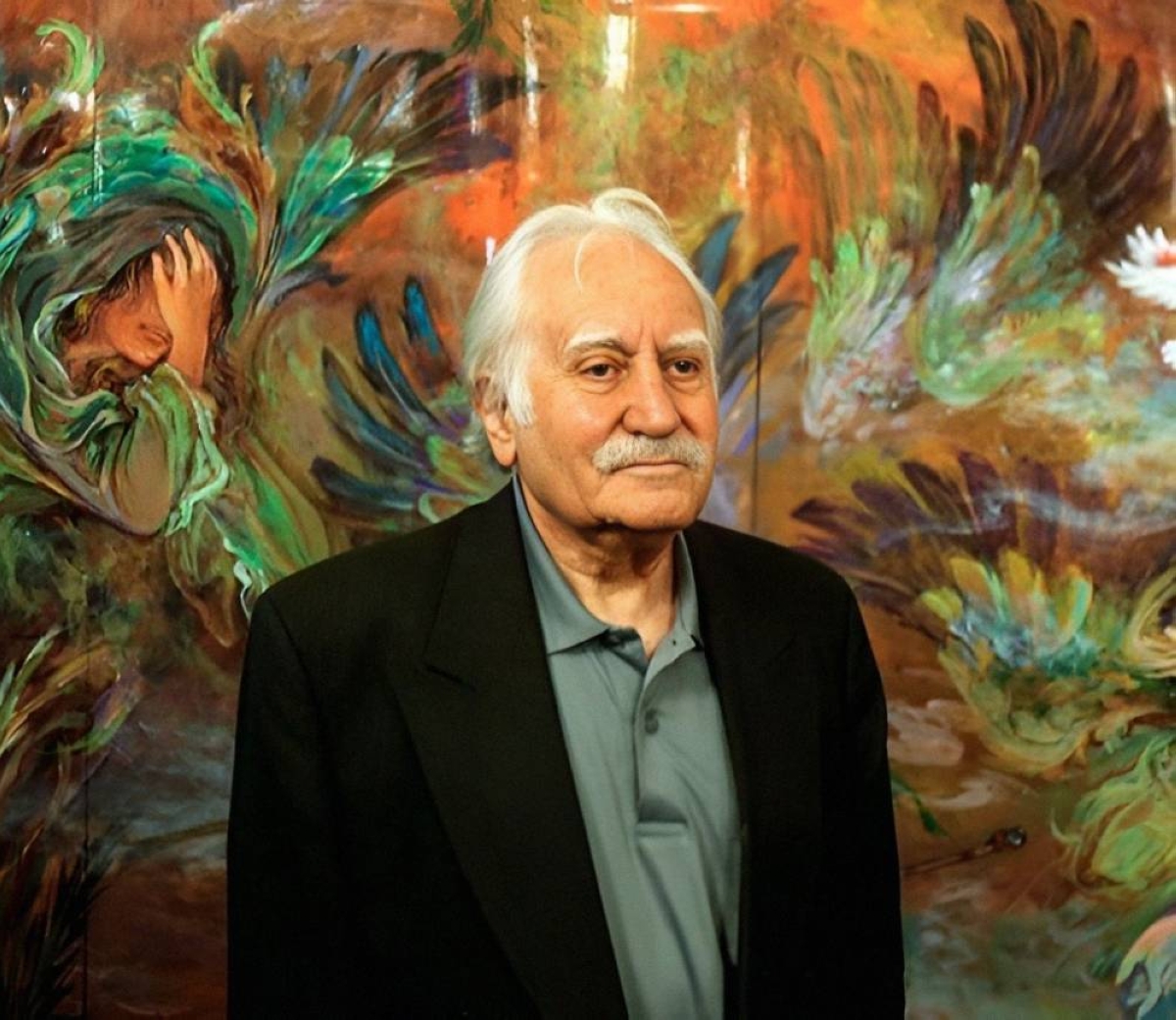
بعد مسيرة حافلة بالإبداع، رحل عن عالمنا الفنان الإيراني الشهير محمود فرشجيان، أحد أبرز أساتذة فن «المنمنمات الفارسية» واللوحات ذات الطابع الروحي والديني، أمس (السبت)، عن عمر ناهز 95 عاما في الولايات المتحدة، حيث كان يقيم منذ سنوات، إثر إصابته بالتهاب رئوي.
وأعلنت الأكاديمية الإيرانية للفنون خبر الوفاة، واصفة إياه بـ«الأسطورة الفنية» التي أثرت التراث الإيراني والعالمي بأعمالها الاستثنائية، حيث برع في فن «المنمنمات الفارسية» الذي يعد أحد أرقى أشكال الفن الإسلامي، والذي ازدهر في العصور الوسطى كوسيلة لتصوير القصص الشعرية والدينية.
وُلد فرشجيان في 24 يناير 1930 في مدينة أصفهان، لعائلة شغوفة بالفنون، وكان والده تاجر سجاد فارسي، وبدأ شغفه بالفن مبكرا، ودرس على يد أساتذة بارزين مثل ميرزا آغا إمامي وعيسى بهادوري، قبل أن يكمل دراسته في فيينا لمدة سبع سنوات.
وعاد فرشجيان إلى إيران ليعمل في المعهد الوطني للفنون الجميلة، وأصبح لاحقا مديرا لإدارة الفنون الوطنية وأستاذا في جامعة طهران، واشتُهر بأسلوبه المبتكر الذي جمع بين «المنمنمات الفارسية» التقليدية وتقنيات حديثة.
وأقام فرشجيان، الذي عاش في نيوجيرسي مع عائلته، معارض في أكثر من 57 معرضا فرديا و86 معرضا جماعيا حول العالم، وتُعرض أعماله في متاحف مرموقة، وحصل على العديد من الجوائز، منها الميدالية الذهبية في مهرجان الفنون الدولي في بلجيكا عام 1958، والنخلة الذهبية الأوروبية عام 1987، وأعربت شخصيات عالمية مثل الأمير آكي هيتو والملكة إليزابيث الثانية عن إعجابها بأعماله.
أثارت وفاة فرشجيان موجة حزن واسعة على منصة «إكس»، حيث نعاه محبو الفن بوصفه «رائد المنمنمات الحديثة» و«سفير الثقافة الإيرانية»، وقال مجيد شاه حسيني، رئيس الأكاديمية الإيرانية للفنون: «فقدان فرشجيان خسارة للعالم الفني، لكنه سيظل رمزا خالدا للإبداع الإيراني».
After a career full of creativity, the famous Iranian artist Mahmoud Farshchian passed away yesterday (Saturday) at the age of 95 in the United States, where he had been living for years, due to pneumonia.
The Iranian Academy of Arts announced the news of his death, describing him as a "artistic legend" who enriched Iranian and global heritage with his exceptional works. He excelled in the art of "Persian miniatures," which is considered one of the highest forms of Islamic art and flourished in the Middle Ages as a means of depicting poetic and religious stories.
Farshchian was born on January 24, 1930, in the city of Isfahan, to a family passionate about the arts. His father was a Persian carpet merchant, and he began his passion for art early, studying under prominent masters such as Mirza Agha Emami and Issa Bahadori, before completing his studies in Vienna for seven years.
Farshchian returned to Iran to work at the National Academy of Fine Arts and later became the director of the National Arts Administration and a professor at the University of Tehran. He became famous for his innovative style that combined traditional "Persian miniatures" with modern techniques.
Farshchian, who lived in New Jersey with his family, held exhibitions in more than 57 solo exhibitions and 86 group exhibitions around the world. His works are displayed in prestigious museums, and he received numerous awards, including the gold medal at the International Arts Festival in Belgium in 1958 and the European Golden Palm in 1987. Global figures such as Prince Akihito and Queen Elizabeth II expressed their admiration for his works.
Farshchian's death sparked a wave of sadness on the "X" platform, where art lovers mourned him as the "pioneer of modern miniatures" and "ambassador of Iranian culture." Majid Shah Hosseini, the head of the Iranian Academy of Arts, stated: "The loss of Farshchian is a loss for the art world, but he will remain an eternal symbol of Iranian creativity."