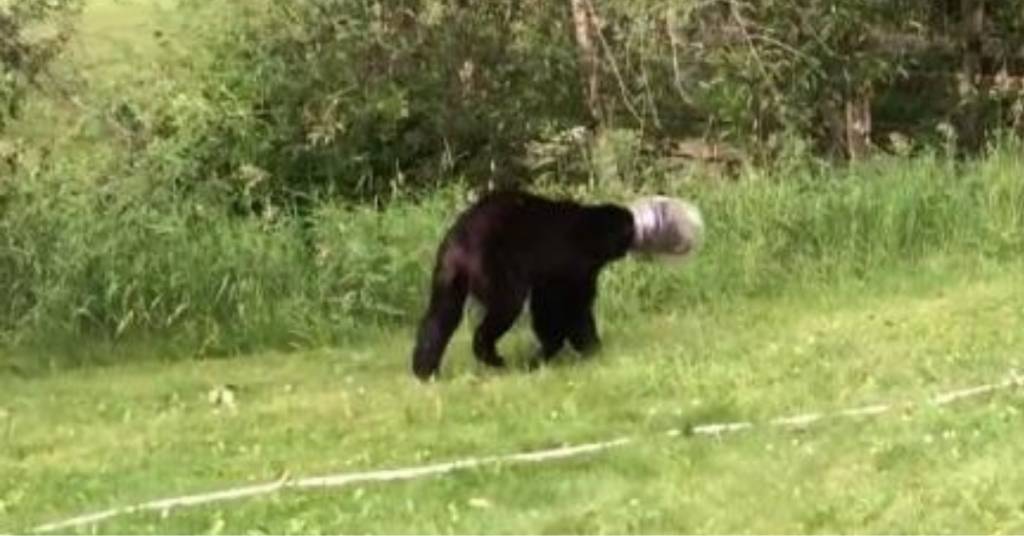
تمكنت سلطات الحياة البرية في ولاية ويسكونسن الأمريكية من تحرير دب أسود صغير ظل عالقًا داخل حاوية بلاستيكية كبيرة مليئة بكرات الجبن لمدة أسبوع كامل، بعد أن تم رصده يتجول في الغابات وهو يعاني من صعوبة في التنفس والتغذية.
بدأت القصة عندما لاحظ سكان شمال الولاية دبًا صغيرًا، يبلغ من العمر عامين فقط، يسير لمسافات طويلة – نحو 50 ميلاً ورأسه عالق في جرة بلاستيكية، ما أثار قلق السكان والسلطات المحلية. ورغم المعاناة، تمكن الدب من البقاء على قيد الحياة عبر الشرب من الجداول من خلال غمر رأسه كاملاً بالحاوية، بطريقة تشبه أسلوب الحصان في تناول الطعام من كيس.
وبعد بلاغ من أحد السكان، تدخلت المنسقة في جمعية تشيكواميغون الإنسانية جيمي موري، قبل أن تتمكن إدارة الموارد الطبيعية في الولاية من تحديد موقع الدب في ساحة قرب مدينة كابل، حيث تم تخديره وإزالة الجرة في عملية دقيقة، قبل أن يُعاد إلى الغابة بعد التأكد من سلامته، مع وضع علامة على أذنه لأغراض المتابعة البيئية.
الدب، الذي بدا منهكًا ونحيفًا بسبب معاناته، لم يُصب بأي أذى داخلي، وعاد لحياته البرية على الفور. وتأتي هذه الحادثة لتسلط الضوء مجددًا على مشكلة النفايات البلاستيكية وتأثيرها المتزايد على الحياة البرية، خصوصًا في مناطق الغابات المفتوحة.
The wildlife authorities in the state of Wisconsin, USA, managed to rescue a small black bear that had been trapped inside a large plastic container filled with cheese balls for a whole week, after it was spotted wandering in the woods struggling to breathe and eat.
The story began when residents in the northern part of the state noticed a small bear, only two years old, walking long distances – about 50 miles with its head stuck in a plastic jar, raising concerns among residents and local authorities. Despite its suffering, the bear managed to survive by drinking from streams by fully submerging its head in the container, in a manner similar to how a horse eats from a bag.
After a report from a resident, Jamie Mori, a coordinator at the Chequamegon Humane Association, intervened before the state's Department of Natural Resources could locate the bear in a yard near the town of Cable, where it was sedated and the jar was removed in a careful operation, before being returned to the forest after ensuring its safety, with a tag placed on its ear for environmental tracking purposes.
The bear, which appeared exhausted and thin due to its ordeal, suffered no internal injuries and immediately returned to its wild life. This incident highlights once again the problem of plastic waste and its increasing impact on wildlife, especially in open forest areas.