فرضت السلطات الصينية، إجراءات حجر صحي مشددة في مدينة فوشان بمقاطعة غواندونغ، بعد تسجيل أكثر من 7 آلاف إصابة بفايروس الشيكونغونيا، الذي ينقله البعوض.
وبحسب صحيفة «mail online» يخضع المرضى للعزل في أجنحة مستشفيات مزودة بشبكات حماية من البعوض لمدة أسبوع أو حتى يثبت سلبية فحصهم.
ولم تسجل أي وفيات حتى الآن، لكن تفشي الفايروس امتد إلى 12 مدينة أخرى في غواندونغ، بإجمالي 10 آلاف إصابة على مستوى البلاد، منها 3,000 حالة خلال الأسبوع الماضي.
وأصدر مركز مكافحة الأمراض والوقاية الأمريكي (CDC) تحذيرًا من المستوى الثاني للمسافرين إلى غواندونغ، داعيًا الأمريكيين إلى اتخاذ احتياطات إضافية مثل استخدام طارد الحشرات، ارتداء ملابس طويلة، والإقامة في أماكن مكيفة أو مزودة بشبكات حماية.
وأوصى المركز بالتطعيم للأشخاص الأكثر عرضة للخطر، مشيرًا إلى توفر لقاحين معتمدين: IXCHIQ (للبالغين فوق 18 عامًا) وVIMKUNYA (لمن هم فوق 12 عامًا).
وسجلت هونغ كونغ أول إصابة بالفايروس لطفل يبلغ 12 عامًا زار فوشان في يوليو، بينما أبلغت 16 دولة عن 24 ألف إصابة و90 وفاة هذا العام، بحسب المركز الأوروبي للوقاية من الأمراض.
ويتركز تفشي الفايروس في آسيا، أفريقيا، وأمريكا الجنوبية، مع ظهور حالات في أوروبا والولايات المتحدة، وفي الولايات المتحدة، سُجلت 46 إصابة هذا العام، جميعها لمسافرين عائدين من مناطق موبوءة.
ينتقل فايروس الشيكونغونيا عبر لدغات بعوض الزاعجة، ويسبب أعراضًا مثل الحمى، آلام المفاصل، والطفح الجلدي. وفي حالات نادرة، قد يؤدي إلى مضاعفات خطيرة تؤثر على القلب والدماغ.
ويعد الأطفال حديثو الولادة، كبار السن، وأصحاب الأمراض المزمنة هم الأكثر عرضة للمضاعفات، ولا يوجد علاج مضاد للفايروس، لكن يمكن التحكم بالأعراض عبر الراحة، السوائل، ومسكنات الألم.
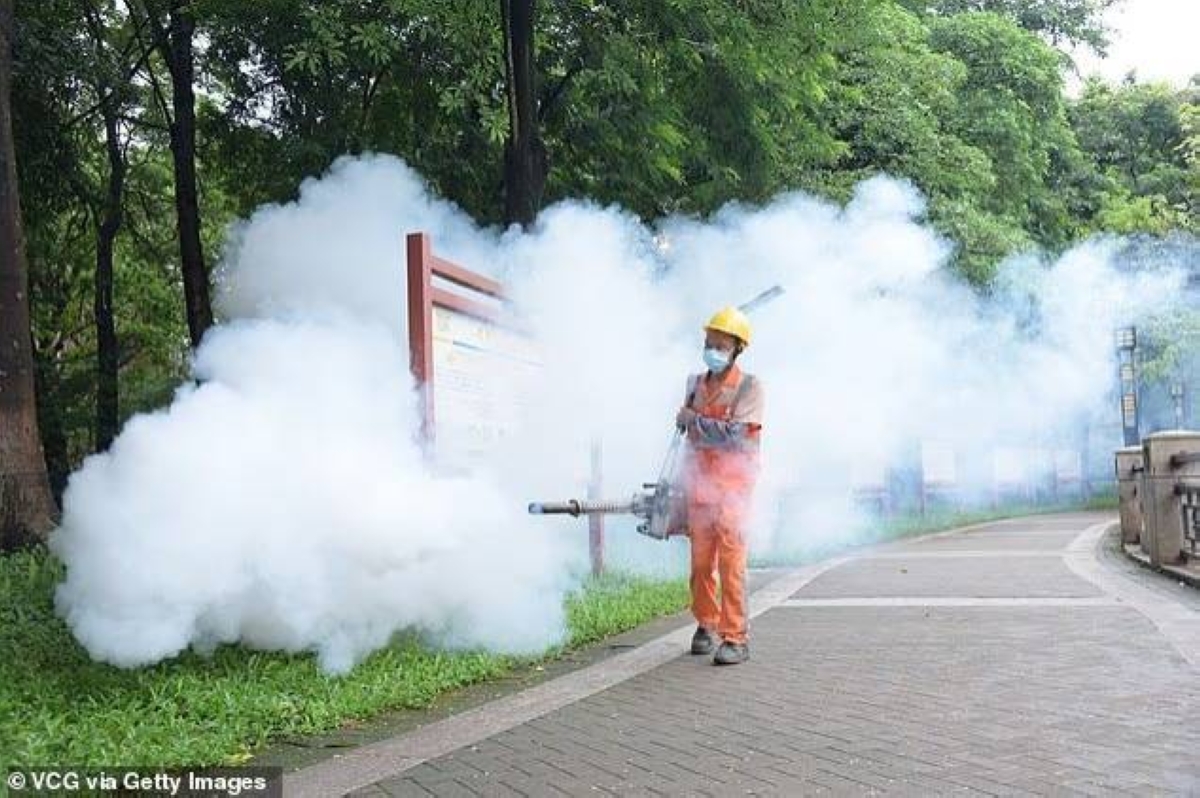
وتكثف السلطات الصينية جهود رش المبيدات الحشرية وتطهير المستشفيات للحد من انتشار البعوض الناقل، كما ألغت قرار الحجر المنزلي لمدة 14 يومًا للمسافرين من فوشان، مع الإبقاء على توصيات بزيارة المستشفيات لفحص الحمى أو آلام المفاصل.
وتحذّر منظمة الصحة العالمية من تكرار سيناريو تفشي 2004-2005، الذي أصاب نصف مليون شخص عالميًا، داعية إلى تعزيز الوقاية.
The Chinese authorities have imposed strict quarantine measures in the city of Foshan in Guangdong province after more than 7,000 cases of the chikungunya virus, which is transmitted by mosquitoes, were recorded.
According to the "Mail Online" newspaper, patients are being isolated in hospital wings equipped with mosquito protection nets for a week or until their tests return negative.
No deaths have been reported so far, but the virus outbreak has spread to 12 other cities in Guangdong, with a total of 10,000 cases nationwide, including 3,000 cases in the past week.
The U.S. Centers for Disease Control and Prevention (CDC) has issued a level two travel warning for travelers to Guangdong, urging Americans to take additional precautions such as using insect repellent, wearing long clothing, and staying in air-conditioned places or those equipped with protective nets.
The CDC recommended vaccination for those at higher risk, noting the availability of two approved vaccines: IXCHIQ (for adults over 18) and VIMKUNYA (for those over 12).
Hong Kong recorded its first case of the virus in a 12-year-old child who visited Foshan in July, while 16 countries reported 24,000 cases and 90 deaths this year, according to the European Centre for Disease Prevention and Control.
The virus outbreak is concentrated in Asia, Africa, and South America, with cases appearing in Europe and the United States. In the United States, 46 cases have been recorded this year, all involving travelers returning from infected areas.
The chikungunya virus is transmitted through the bites of Aedes mosquitoes and causes symptoms such as fever, joint pain, and rash. In rare cases, it may lead to serious complications affecting the heart and brain.
Newborns, the elderly, and individuals with chronic diseases are the most susceptible to complications, and there is no antiviral treatment, but symptoms can be managed through rest, fluids, and pain relievers.
The Chinese authorities are intensifying efforts to spray insecticides and disinfect hospitals to limit the spread of the transmitting mosquitoes, and they have canceled the 14-day home quarantine requirement for travelers from Foshan, while maintaining recommendations to visit hospitals for fever or joint pain examinations.
The World Health Organization warns against a repeat of the 2004-2005 outbreak scenario, which affected half a million people globally, calling for enhanced prevention measures.