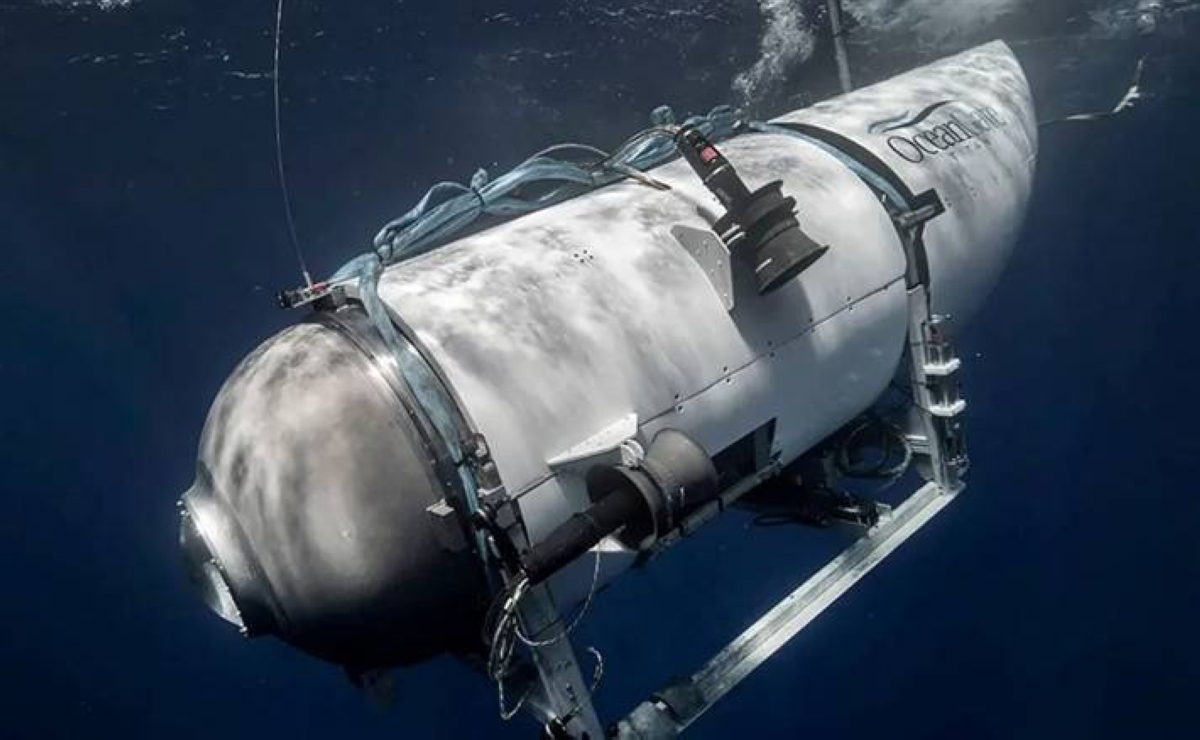
بعد تحقيق معقد استمر عامين، أصدر خفر السواحل الأمريكي تقريرًا شاملاً حول كارثة غواصة «تيتان»، كشف تفاصيل صادمة حول الأسباب التي أدت إلى الحادثة، في تقرير استند إلى تحليل الحطام، وشهادات الخبراء، وفحص عمليات الشركة.
وأشار خفر السواحل الأمريكي إلى أن هيكل الغواصة المصنوع من ألياف الكربون كان يعاني من أضرار هيكلية كبيرة قبل الرحلة الأخيرة، هذه الأضرار، التي تفاقمت خلال الغوصات السابقة، جعلت الغواصة عرضة للانهيار تحت الضغط الهائل في أعماق المحيط.
وكشفت جلسات الاستماع، التي بدأت في سبتمبر 2024، تجاهل علامات تحذيرية واضحة من قبل شركة «أوشن جيت» على سبيل المثال، شهد المهندس الرئيسي توني نيسين أن الرئيس التنفيذي ستوكتون راش مارس ضغوطًا كبيرة لتسريع تصنيع الغواصة، متجاهلاً مخاوف السلامة التي أثارها الخبراء.
وفي 18 يونيو 2023، شهد العالم كارثة مأساوية هزت الأوساط البحرية والعامة على حد سواء، عندما فقدت غواصة «تيتان» التي تديرها شركة «أوشن جيت إكسبديشنز» الأمريكية، الاتصال بسفينة الدعم الخاصة بها بعد ساعة و45 دقيقة من بدء رحلتها الاستكشافية نحو حطام سفينة «تيتانيك» في شمال المحيط الأطلسي.
ماذا حدث لرحلة «تيتان»؟
وكانت الغواصة تحمل على متنها 5 أشخاص، بمن فيهم الرئيس التنفيذي للشركة ستوكتون راش، والملياردير البريطاني هاميش هاردينغ، ورجل الأعمال الباكستاني الأصل شاه زاده داود وابنه سليمان، والمستكشف الفرنسي بول هنري نارجوليت، هؤلاء دفع كل منهم حوالى 250 ألف دولار لخوض هذه التجربة السياحية إلى حطام السفينة الأسطورية الواقع على عمق حوالى 3,810 أمتار قبالة ساحل نيوفاوندلاند، كندا.
وبعد أيام من البحث المكثف بقيادة خفر السواحل الأمريكي، وبمشاركة فرق دولية من الولايات المتحدة وكندا وفرنسا والمملكة المتحدة، اكتشفت مركبة تعمل عن بُعد حطام الغواصة على بُعد حوالى 488 مترًا من مقدمة حطام «تيتانيك» تأكد لاحقًا أن الغواصة تعرضت لانفجار داخلي كارثي أدى إلى وفاة جميع من كانوا على متنها فورًا.
كما أشار مدير العمليات السابق ديفيد لوكريدج إلى أن شكاوى مقدمة إلى إدارة السلامة والصحة المهنية لم تُحقق فيها بشكل جدي قبل وقوع الكارثة، وأظهرت شهادات أخرى أن الغواصة واجهت مشكلات ميكانيكية في رحلات سابقة، بما في ذلك عطل في نظام الأثقال أدى إلى اضطراب الركاب قبل أيام قليلة من الرحلة المشؤومة.
مشكلات فنية في هيكل الغواصة
من الناحية الفنية، أوضح التقرير أن تصميم الغواصة كان غير تقليدي، إذ اعتمدت على هيكل من ألياف الكربون بدلاً من المعادن التقليدية المستخدمة في الغواصات العميقة، مما جعلها أقل مقاومة للضغوط الهائلة في الأعماق، كما أثار استخدام ذراع تحكم ألعاب الفيديو للتحكم في الغواصة تساؤلات حول مدى جدية الشركة في ضمان السلامة.
التقرير أشار أيضًا إلى أن الانفجار الداخلي وقع بسبب فشل هيكلي كارثي، إذ انهار هيكل الغواصة تحت ضغط المياه الهائل، مما أدى إلى تدميرها بشكل فوري، وأكد الدكتور ديل مولي، خبير الطب تحت سطح البحر، أن الضحايا لم يشعروا بأي ألم بسبب السرعة الفائقة للحادثة.
وأثارت كارثة «تيتان» جدلاً واسعًا حول سلامة السياحة تحت الماء، خاصة في الرحلات إلى أعماق المحيط. وقد دفعت الحادثة إلى دعوات لتشديد التنظيمات الحكومية على الشركات الخاصة التي تقدم مثل هذه الرحلات، كما سلطت الضوء على المخاطر التي تنطوي عليها استكشافات الأعماق دون الالتزام بمعايير السلامة الصارمة.
After a complex investigation that lasted two years, the U.S. Coast Guard issued a comprehensive report on the "Titan" submarine disaster, revealing shocking details about the causes that led to the incident. The report was based on wreckage analysis, expert testimonies, and an examination of the company's operations.
The U.S. Coast Guard indicated that the submarine's carbon fiber structure had suffered significant structural damage before the final voyage. This damage, which worsened during previous dives, made the submarine susceptible to collapse under the immense pressure at ocean depths.
The hearings, which began in September 2024, revealed that the company "OceanGate" ignored clear warning signs. For example, chief engineer Tony Nissen testified that CEO Stockton Rush exerted significant pressure to expedite the submarine's manufacturing, disregarding safety concerns raised by experts.
On June 18, 2023, the world witnessed a tragic disaster that shook both maritime and public circles when the "Titan" submarine, operated by the American company "OceanGate Expeditions," lost contact with its support ship after one hour and 45 minutes into its exploratory journey to the wreck of the "Titanic" in the North Atlantic.
What happened to the "Titan" voyage?
The submarine was carrying five people, including the company's CEO Stockton Rush, British billionaire Hamish Harding, Pakistani-born businessman Shahzada Dawood and his son Suleman, and French explorer Paul-Henri Nargeolet. Each of them paid around $250,000 to embark on this tourist experience to the legendary shipwreck located at a depth of approximately 3,810 meters off the coast of Newfoundland, Canada.
After days of intensive searching led by the U.S. Coast Guard, with the participation of international teams from the United States, Canada, France, and the United Kingdom, a remotely operated vehicle discovered the wreckage of the submarine about 488 meters from the bow of the "Titanic." It was later confirmed that the submarine had suffered a catastrophic internal explosion that resulted in the immediate death of all on board.
Former operations director David Lochridge noted that complaints submitted to the Occupational Safety and Health Administration were not seriously investigated before the disaster. Other testimonies indicated that the submarine faced mechanical issues on previous trips, including a ballast system failure that caused passenger disturbances just days before the ill-fated voyage.
Technical issues with the submarine's structure
Technically, the report clarified that the submarine's design was unconventional, as it relied on a carbon fiber structure instead of the traditional metals used in deep submarines, making it less resistant to the immense pressures at depth. The use of a video game controller to operate the submarine raised questions about the company's seriousness in ensuring safety.
The report also indicated that the internal explosion occurred due to catastrophic structural failure, as the submarine's structure collapsed under the immense water pressure, leading to its immediate destruction. Dr. Dale Molloy, an expert in underwater medicine, confirmed that the victims did not feel any pain due to the rapidity of the incident.
The "Titan" disaster sparked widespread debate about the safety of underwater tourism, especially in deep ocean excursions. The incident prompted calls for stricter government regulations on private companies offering such trips and highlighted the risks involved in deep explorations without adhering to strict safety standards.