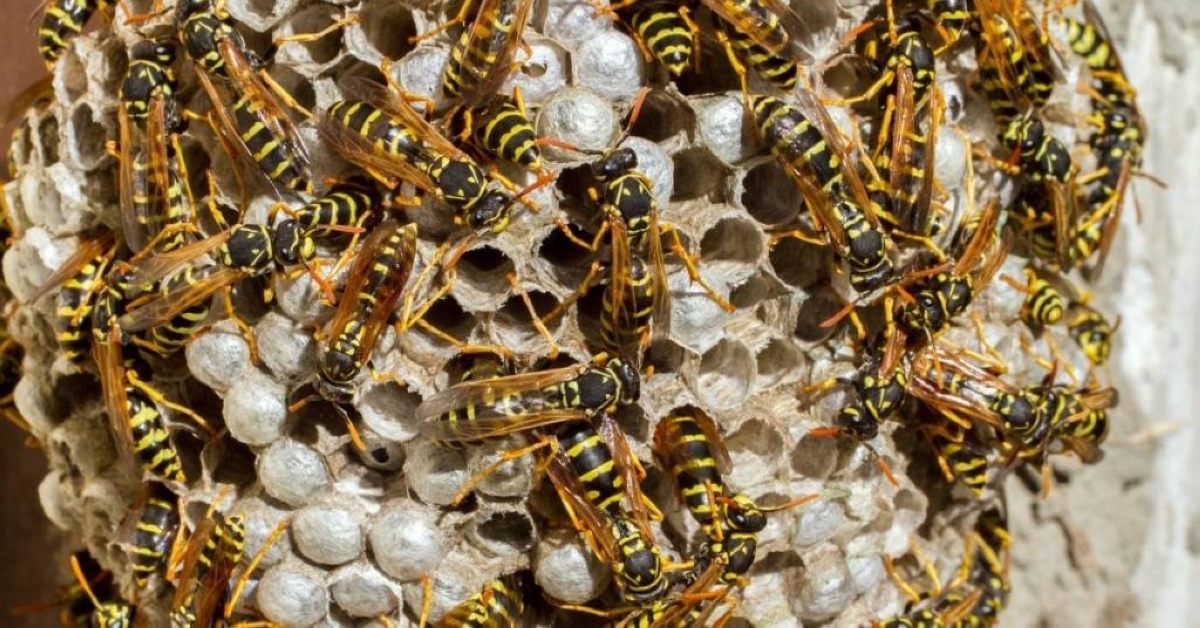
في حادثة غريبة، تم العثور على عش دبابير مشع في موقع نهر سافانا بولاية كارولاينا الجنوبية، الذي كان في السابق مركزًا لإنتاج نوى البلوتونيوم للأسلحة النووية الأمريكية خلال الحرب الباردة، ويعمل حاليًا في إنتاج وقود محطات الطاقة النووية.
ووفقًا لشبكة CNN، عثر العمال خلال الفحوصات الإشعاعية الروتينية على العش بالقرب من خزانات النفايات النووية السائلة. وكانت مستويات الإشعاع في العش أعلى بعشر مرات من الحد المسموح به من قبل القوانين الفيدرالية. ورغم أن العش كان مشعًا، لم يكن هناك دبابير حية في الداخل.
تم رش العش بمبيد حشري قبل التخلص منه بإلقائه في كومة النفايات النووية. ومع ذلك، أصرّت وزارة الطاقة على أن الوضع «تحت السيطرة» وأرجعت التلوث الإشعاعي إلى «المخلفات المتوارثة» في الموقع، في حين أكدت عدم وجود تسرب أو خطر من الحادث.
لكن هذه التفسيرات لم تقنع بعض المراقبين، بما في ذلك توم كليمنتس مدير مجموعة مراقبة الموقع، الذي طلب مزيدًا من التوضيح بشأن نوع الدبابير. فهو يرى أن نوع الحشرة قد يساعد في تحديد مصدر التلوث، كما طرح تساؤلات حول إمكانية انتشار المزيد من الأعشاش المشعة.
وعلى الرغم من هذه المخاوف، أكّد المسؤولون أن الموقع مغلق بشكل محكم وأن أي دبابير مشعة كانت ستموت قبل أن تتمكن من الوصول إلى المناطق السكنية. ويبقى السؤال: هل كانت هذه الحشرة مجرد حادثة غريبة أم بداية لمشكلة أكبر؟
In a strange incident, a radioactive wasp nest was found at the Savannah River site in South Carolina, which was previously a center for plutonium production for U.S. nuclear weapons during the Cold War and is currently involved in producing fuel for nuclear power plants.
According to CNN, workers discovered the nest during routine radiation checks near the liquid nuclear waste tanks. The radiation levels in the nest were ten times higher than the limit allowed by federal regulations. Although the nest was radioactive, there were no live wasps inside.
The nest was sprayed with an insecticide before being disposed of by throwing it into a nuclear waste pile. However, the Department of Energy insisted that the situation was "under control" and attributed the radioactive contamination to "legacy waste" at the site, while confirming that there was no leak or danger from the incident.
But these explanations did not convince some observers, including Tom Clements, director of a site monitoring group, who called for more clarification regarding the type of wasps. He believes that knowing the type of insect could help determine the source of the contamination and raised questions about the possibility of more radioactive nests spreading.
Despite these concerns, officials assured that the site is securely closed and that any radioactive wasps would have died before they could reach residential areas. The question remains: Was this insect just a strange incident or the beginning of a larger problem?