


لماذا نشعر بانخفاض مفاجئ في المزاج رغم أن كل شيء يبدو "بخير"؟ ولماذا نفقد تركيزنا بسرعة حتى في أبسط المهمات؟
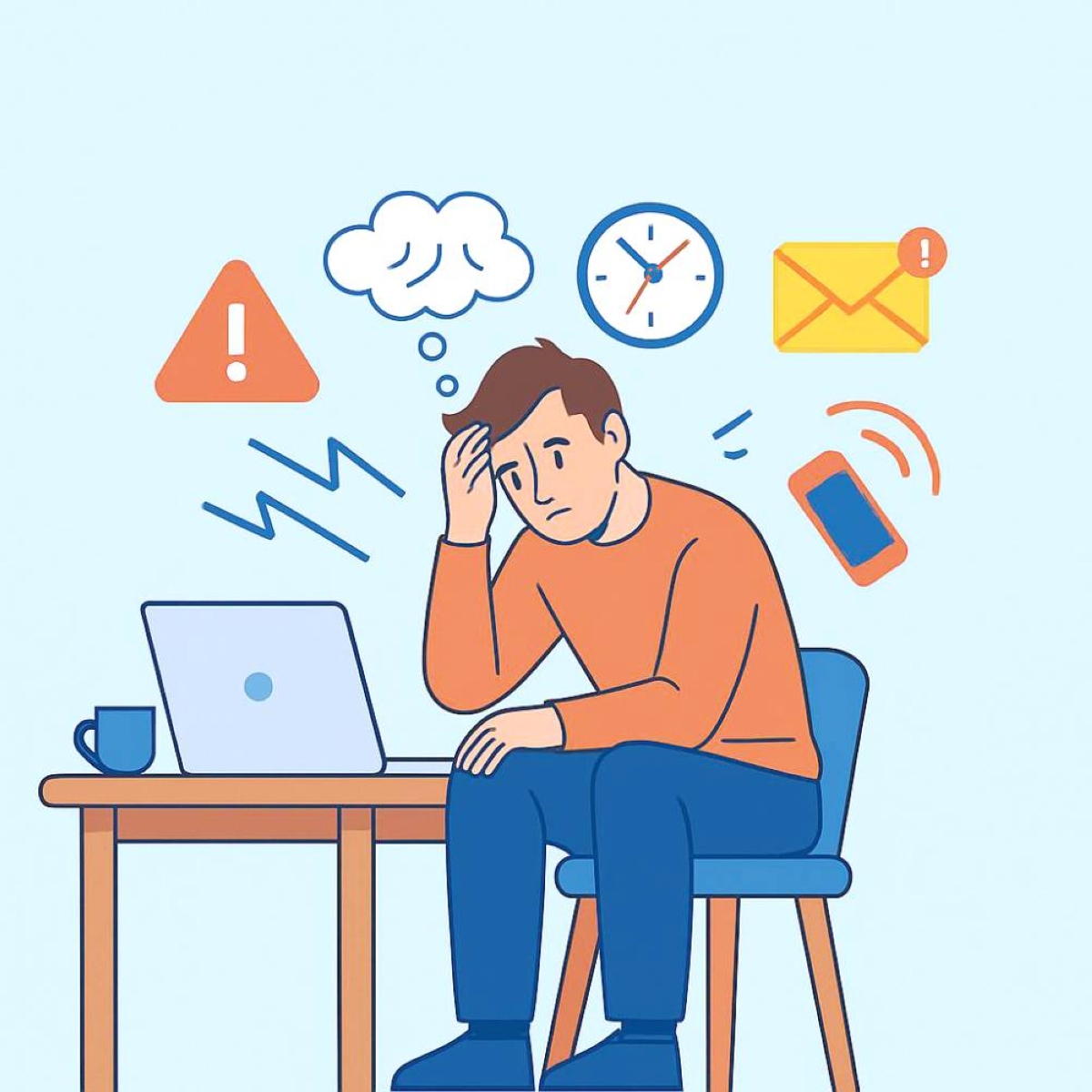
أسئلة تتكرر كثيرًا، وتعكس واقعًا أصبحت فيه الضغوط والمشتتات جزءًا من يومنا العادي.
في عالم تحكمه السرعة والإشعارات والإجهاد العقلي، لم يعد المزاج الجيد والتركيز العالي من المسلّمات، بل تحوّلا إلى مهارات يجب أن تُكتسب وتُمارس. توضح دراسة نُشرت في مجلة Nature Neuroscience أن التركيز ليس مجرد حالة ذهنية، بل نتيجة توازن بين نمط النوم، ونوعية الغذاء، ومستوى التوتر.
أول ما يؤثر على المزاج هو قلة النوم. فبحسب المركز الأمريكي لأبحاث النوم، فإن النوم العميق يحفّز المناطق المسؤولة عن تنظيم العاطفة والانتباه. من جهة أخرى، يلعب الغذاء دورًا صامتًا لكن قويًا، فالأطعمة الغنية بالتربتوفان مثل البيض والموز والمكسرات ترفع مستوى السيروتونين، وهو هرمون السعادة.
أما المشتتات الرقمية، فهي العدو الخفي. أظهرت أبحاث جامعة كاليفورنيا أن التنقل بين المهمات (Multitasking) يخفض كفاءة الدماغ بنسبة تصل إلى 40%. الحل؟ تخصيص أوقات خالية من الأجهزة تمامًا، وتطبيق تقنية "التركيز العميق" عبر تقسيم الوقت إلى فترات عمل قصيرة.
ولا يمكن تجاهل دور الحركة البدنية، فمجرد المشي لمدة 20 دقيقة يوميًا يرفع من نشاط الذاكرة ويحسّن المزاج العام، بحسب دراسات Mayo Clinic.
في النهاية، تحسين المزاج والتركيز ليس رفاهية، بل ضرورة عقلية ونفسية للعيش بكفاءة وهدوء. ويتطلّب الأمر وعيًا شخصيًا يوميًا، وقرارات صغيرة تُبنى عليها عادات كبيرة.
هل يمكن استعادة التركيز والمزاج الجيد وسط هذا الضجيج؟
2 أغسطس 2025 - 18:25
|
آخر تحديث 2 أغسطس 2025 - 18:25


تابع قناة عكاظ على الواتساب
«عكاظ» (جدة)OKAZ_online@
Why do we feel a sudden drop in mood even though everything seems "fine"? And why do we lose our focus quickly even on the simplest tasks?
These are questions that arise frequently, reflecting a reality where stress and distractions have become part of our daily lives.
In a world governed by speed, notifications, and mental strain, good mood and high concentration are no longer taken for granted; instead, they have turned into skills that must be acquired and practiced. A study published in the journal Nature Neuroscience clarifies that focus is not just a mental state, but a result of a balance between sleep patterns, food quality, and stress levels.
The first thing that affects mood is lack of sleep. According to the American Sleep Research Center, deep sleep stimulates the areas responsible for regulating emotion and attention. On the other hand, food plays a silent yet powerful role; foods rich in tryptophan, such as eggs, bananas, and nuts, raise serotonin levels, which is the happiness hormone.
As for digital distractions, they are the hidden enemy. Research from the University of California has shown that multitasking reduces brain efficiency by up to 40%. The solution? Allocate device-free times completely and apply the "deep focus" technique by dividing time into short work intervals.
We cannot ignore the role of physical movement; just walking for 20 minutes a day boosts memory activity and improves overall mood, according to studies from the Mayo Clinic.
In the end, improving mood and concentration is not a luxury, but a mental and psychological necessity for living efficiently and calmly. It requires daily personal awareness and small decisions that build into significant habits.
These are questions that arise frequently, reflecting a reality where stress and distractions have become part of our daily lives.
In a world governed by speed, notifications, and mental strain, good mood and high concentration are no longer taken for granted; instead, they have turned into skills that must be acquired and practiced. A study published in the journal Nature Neuroscience clarifies that focus is not just a mental state, but a result of a balance between sleep patterns, food quality, and stress levels.
The first thing that affects mood is lack of sleep. According to the American Sleep Research Center, deep sleep stimulates the areas responsible for regulating emotion and attention. On the other hand, food plays a silent yet powerful role; foods rich in tryptophan, such as eggs, bananas, and nuts, raise serotonin levels, which is the happiness hormone.
As for digital distractions, they are the hidden enemy. Research from the University of California has shown that multitasking reduces brain efficiency by up to 40%. The solution? Allocate device-free times completely and apply the "deep focus" technique by dividing time into short work intervals.
We cannot ignore the role of physical movement; just walking for 20 minutes a day boosts memory activity and improves overall mood, according to studies from the Mayo Clinic.
In the end, improving mood and concentration is not a luxury, but a mental and psychological necessity for living efficiently and calmly. It requires daily personal awareness and small decisions that build into significant habits.


