أعلنت وزارة الطوارئ الروسية، اليوم (الجمعة)، تسجيل 120 هزة ارتدادية خلال الـ24 ساعة الماضية، عقب زلزال قوي بقوة 8.8 درجة على مقياس ريختر ضرب شبه جزيرة كامتشاتكا في الشرق الأقصى الروسي الأربعاء الماضي، الذي يُعد من بين أقوى الزلازل المسجلة في التاريخ، وتسبب في أضرار مادية وإصابات في مدينة بيتروبافلوفسك - كامتشاتسكي، وأدى إلى إطلاق تحذيرات من تسونامي عبر المحيط الهادئ، مع اندلاع بركان كليوتشيفسكوي في المنطقة بعد ساعات من الحدث.
ووفقاً لوزارة الطوارئ الروسية، سُجلت 120 هزة ارتدادية، بعضها تجاوزت قوته 5 درجات، في المنطقة المحيطة بمركز الزلزال الرئيسي الذي وقع على عمق 20.7 كيلومتر قبالة ساحل شبه جزيرة كامتشاتكا، على بعد 125 كيلومترا من مدينة بيتروبافلوفسك-كامتشاتسكي، وتسبب في أضرار بالمباني، إضافة إلى انقطاع التيار الكهربائي وخدمات الهاتف المحمول في العاصمة الإقليمية.
وأفادت تقارير بأن الهزات الارتدادية استمرت في زعزعة استقرار المنطقة، ما دفع السلطات إلى إبقاء السكان في حالة تأهب، وأشار علماء الزلازل إلى أن هذه الهزات قد تستمر لأسابيع أو حتى أشهر، لكنها عادةً ما تقل في القوة والتكرار بمرور الوقت، في الوقت نفسه، اندلع بركان كليوتشيفسكوي، أحد أعلى البراكين في العالم، بعد الزلزال، حيث لوحظت انفجارات وتدفقات للحمم البركانية على المنحدرات الغربية للبركان، ما زاد من حالة التوتر في المنطقة.
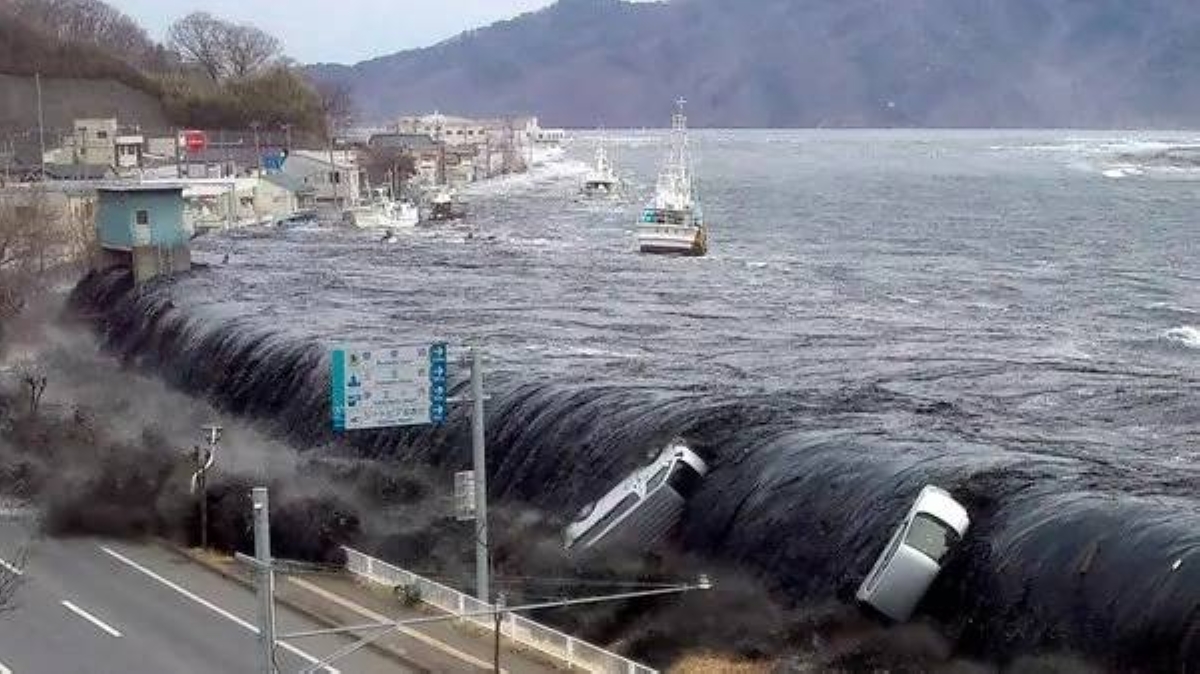
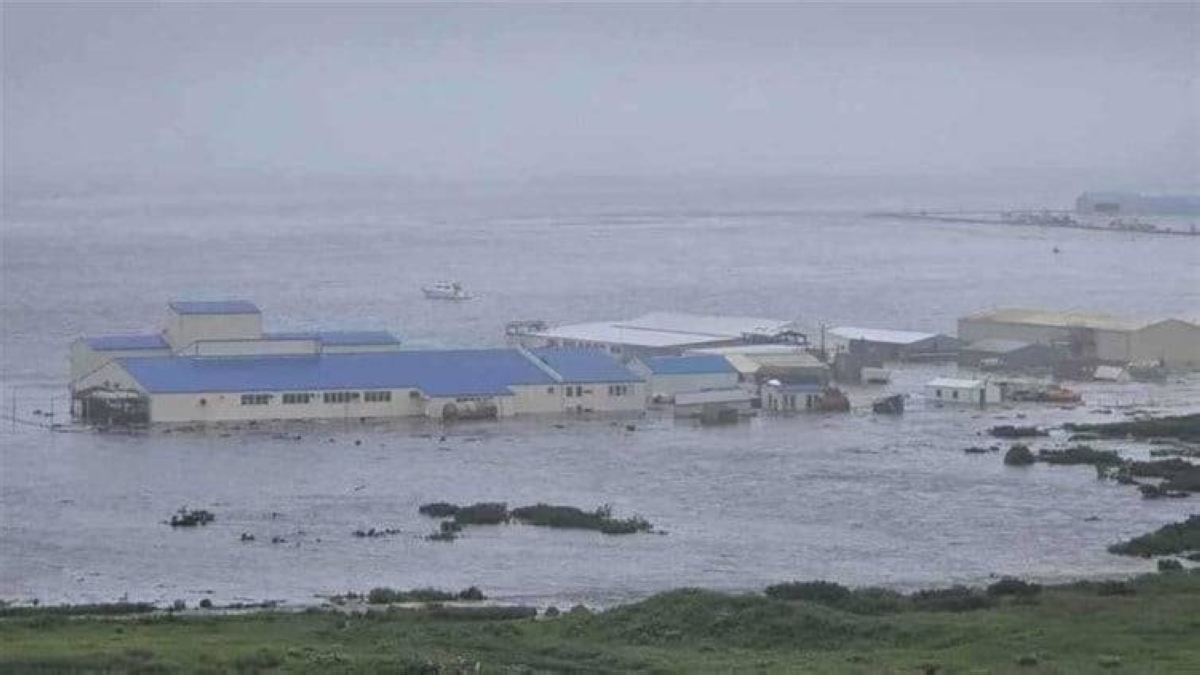
وأثار الزلزال موجات تسونامي بلغ ارتفاعها 3 إلى 4 أمتار في كامتشاتكا، وغمرت مياهها ميناء ومصنعاً لتجهيز الأسماك في بلدة سيفيرو - كوريلسك بالجزر الكوريلية، ما تسبب في إجلاء السكان وأضرار مادية، وامتدت تحذيرات التسونامي إلى دول مثل اليابان، هاواي، تشيلي، وبيرو، لكن معظم التحذيرات خُفضت لاحقاً بعد أن تبين أن تأثير الموجات كان أقل مما كان متوقعاً.
وتقع شبه جزيرة كامتشاتكا على «حلقة النار» في المحيط الهادئ، وهي منطقة تشتهر بنشاطها الزلزالي والبركاني الشديد بسبب تقاطع الصفائح التكتونية، حيث تنزلق الصفيحة الباسيفيكية تحت صفيحة أوخوتسك بمعدل 75 ملم سنوياً، ويُعد زلزال 2025 سادس أقوى زلزال مسجل في التاريخ، متساوياً مع زلزال تشيلي 2010 وزلزال الإكوادور 1906، وأقل بقليل من زلزال كامتشاتكا 1952 الذي بلغت قوته 9 درجات.
وتتميز كامتشاتكا بكثافة سكانية منخفضة، حيث يبلغ عدد سكانها نحو 290 ألف نسمة، معظمهم في بتروبافلوفسك-كامتشاتسكي، هذا العامل قلل من حجم الخسائر البشرية مقارنة بزلازل مماثلة في مناطق مكتظة مثل زلزال إندونيسيا 2004 (9.2-9.3 درجة)، الذي أودى بحياة أكثر من 227 ألف شخص.
وتسببت الهزات الارتدادية في حالة من القلق بين السكان، خاصة في ظل استمرار انقطاع التيار الكهربائي في بعض المناطق وتضرر البنية التحتية، وتواصل السلطات الروسية جهودها لإصلاح الأضرار، مع إجلاء السكان من المناطق الساحلية المنخفضة تحسباً لأي موجات تسونامي جديدة.
The Russian Emergency Ministry announced today (Friday) that 120 aftershocks were recorded in the past 24 hours, following a powerful earthquake measuring 8.8 on the Richter scale that struck the Kamchatka Peninsula in Russia's Far East last Wednesday. This earthquake is among the strongest recorded in history and caused material damage and injuries in the city of Petropavlovsk-Kamchatsky, leading to tsunami warnings across the Pacific Ocean, along with the eruption of the Klyuchevskoy volcano in the region hours after the event.
According to the Russian Emergency Ministry, 120 aftershocks were recorded, some exceeding a magnitude of 5, in the area surrounding the epicenter of the main earthquake, which occurred at a depth of 20.7 kilometers off the coast of the Kamchatka Peninsula, about 125 kilometers from the city of Petropavlovsk-Kamchatsky. The earthquake caused damage to buildings, as well as power outages and mobile phone service disruptions in the regional capital.
Reports indicated that the aftershocks continued to destabilize the area, prompting authorities to keep residents on alert. Seismologists noted that these aftershocks could continue for weeks or even months, but they typically decrease in strength and frequency over time. At the same time, the Klyuchevskoy volcano, one of the highest volcanoes in the world, erupted after the earthquake, with explosions and lava flows observed on the western slopes of the volcano, increasing the tension in the region.
The earthquake triggered tsunami waves reaching heights of 3 to 4 meters in Kamchatka, flooding a port and a fish processing plant in the town of Severo-Kurilsk in the Kuril Islands, leading to the evacuation of residents and material damage. Tsunami warnings extended to countries such as Japan, Hawaii, Chile, and Peru, but most warnings were later downgraded after it became clear that the impact of the waves was less than expected.
The Kamchatka Peninsula is located on the "Ring of Fire" in the Pacific Ocean, an area known for its intense seismic and volcanic activity due to the convergence of tectonic plates, where the Pacific plate is sliding beneath the Okhotsk plate at a rate of 75 mm per year. The 2025 earthquake is the sixth strongest earthquake recorded in history, equal to the 2010 Chile earthquake and the 1906 Ecuador earthquake, and slightly less than the 1952 Kamchatka earthquake, which had a magnitude of 9.
Kamchatka is characterized by a low population density, with around 290,000 residents, most of whom live in Petropavlovsk-Kamchatsky. This factor reduced the scale of human losses compared to similar earthquakes in densely populated areas, such as the 2004 Indonesia earthquake (9.2-9.3 magnitude), which claimed the lives of over 227,000 people.
The aftershocks have caused anxiety among residents, especially with ongoing power outages in some areas and damage to infrastructure. Russian authorities continue their efforts to repair the damage, evacuating residents from low-lying coastal areas in anticipation of any new tsunami waves.