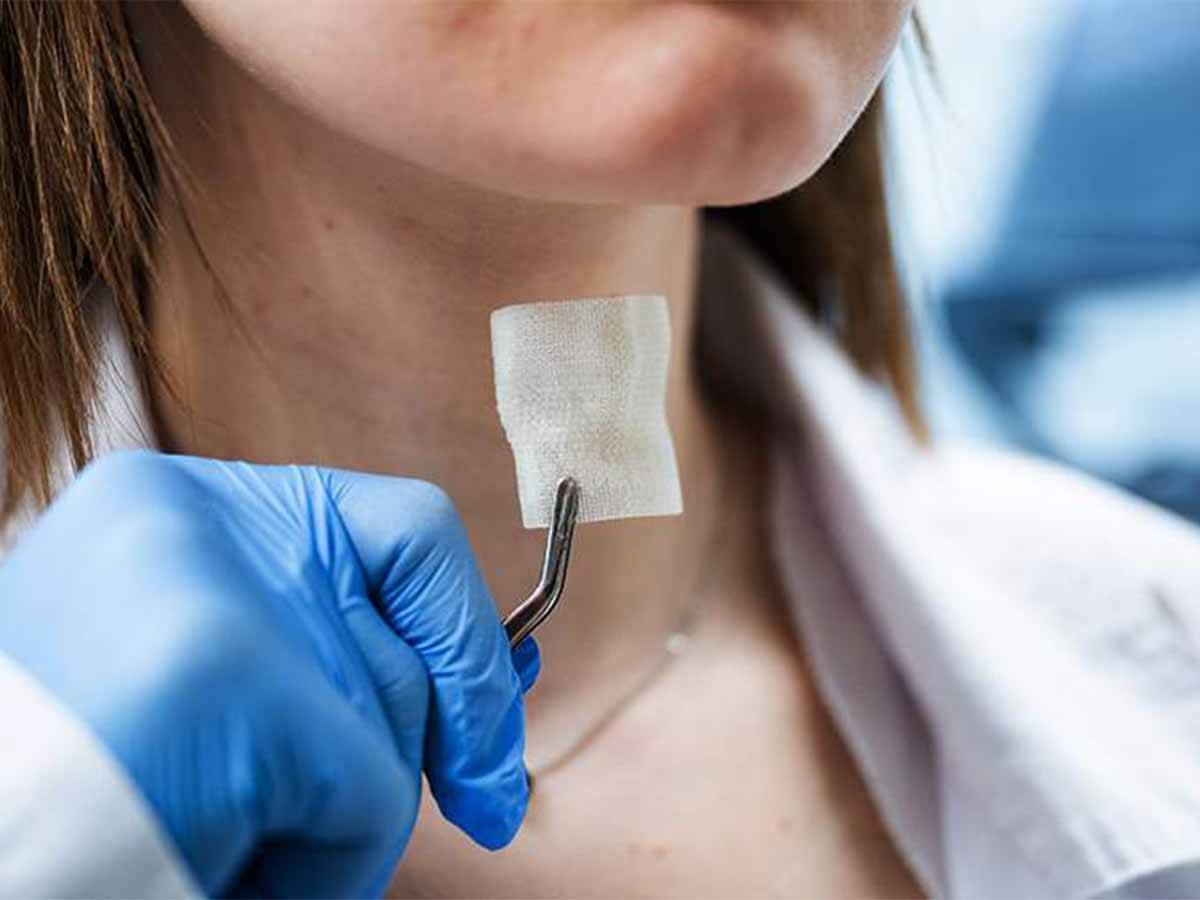
ابتكر علماء روس بالجامعة الوطنية للتكنولوجيا والعلوم تقنية غضروف درقي حنجري فردي، يمكن طباعته على طابعة حيوية ثلاثية الأبعاد، وتصنيعه وفقاً لخصائص كل مريض بالسرطان لتجديد الحنجرة.
ووفقاً لخبراء بالجامعة، فإن الطريقة المبتكرة غير مكلفة، ويمكن استخدامها في إنتاج كميات كبيرة، وهي عبارة عن فكرة طباعة شبكة من البولي يوريثان اللدن بالحرارة لمريض محدد بالسرطان، ولضمان سهولة التصاق الخلايا الجديدة بهذا السطح، يجب تغليفه بالكولاجين أو وضع مركب متعدد الإلكتروليتات عليه يكون متوافقاً حيوياً، من الكيتوزان وحمض البولي غلوتاميك اللذين أثبتا فعاليتهما منذ فترة طويلة في الطب التجديدي.
وتقول الدكتورة يليزافيتا بيشكينا بالجامعة وقائدة الفريق البحثي: «حصلنا على هياكل غضروفية من البولي يوريثان مصممة خصيصاً باستخدام تقنية الطباعة بالترسيب المنصهر (FDM) والتشكيل الحراري استناداً إلى بيانات التصوير المقطعي المحوسب»، مضيفة: «وقد أظهرت اختبارات السمية الخلوية أن المادة آمنة تماماً، ونأمل أن يسرع هذا الابتكار إعادة تأهيل المرضى».
الجدير بالذكر أن الغضروف الدرقي يؤدي وظائف وقائية ودعمية للأعضاء المحيطة، ويمنع انهيار الجهاز التنفسي، ويعمل كموقع ربط للعضلات والأربطة، ولكن في حالة تلفه، يصعب ترميمه لأنه يفتقر إلى الأوعية الدموية، وانقسام الخلايا المجددة فيه بطيء جداً، ويعاني من هذه المشكلة عادة مرضى السرطان أثناء علاجهم في الحالات التي ينمو فيها الورم داخل الحنجرة، وتزال فيها غضاريف الدرق، ويعتبر هذا النوع من الأورام أحد أكثر أنواع سرطان الرأس والرقبة انتشاراً.
Russian scientists at the National University of Technology and Science have developed a personalized thyroid cartilage technique that can be printed on a three-dimensional bioprinter and manufactured according to the characteristics of each cancer patient to regenerate the larynx.
According to experts at the university, the innovative method is cost-effective and can be used to produce large quantities. It involves the idea of printing a thermal polyurethane mesh for a specific cancer patient, and to ensure the easy adhesion of new cells to this surface, it must be coated with collagen or have a biocompatible multi-electrolyte compound applied to it, made from chitosan and polyglutamic acid, which have long proven effective in regenerative medicine.
Dr. Yelizaveta Pyshkina from the university and leader of the research team says: "We obtained cartilage structures made of polyurethane specifically designed using fused deposition modeling (FDM) and thermoforming based on computed tomography data," adding: "Cell toxicity tests have shown that the material is completely safe, and we hope this innovation will accelerate patient rehabilitation."
It is worth noting that the thyroid cartilage performs protective and supportive functions for the surrounding organs, prevents the collapse of the respiratory system, and serves as a site for the attachment of muscles and ligaments. However, in the event of damage, it is difficult to repair because it lacks blood vessels, and the regeneration of cells within it is very slow. Cancer patients often suffer from this issue during treatment when tumors grow within the larynx, leading to the removal of thyroid cartilages. This type of tumor is considered one of the most common types of head and neck cancers.