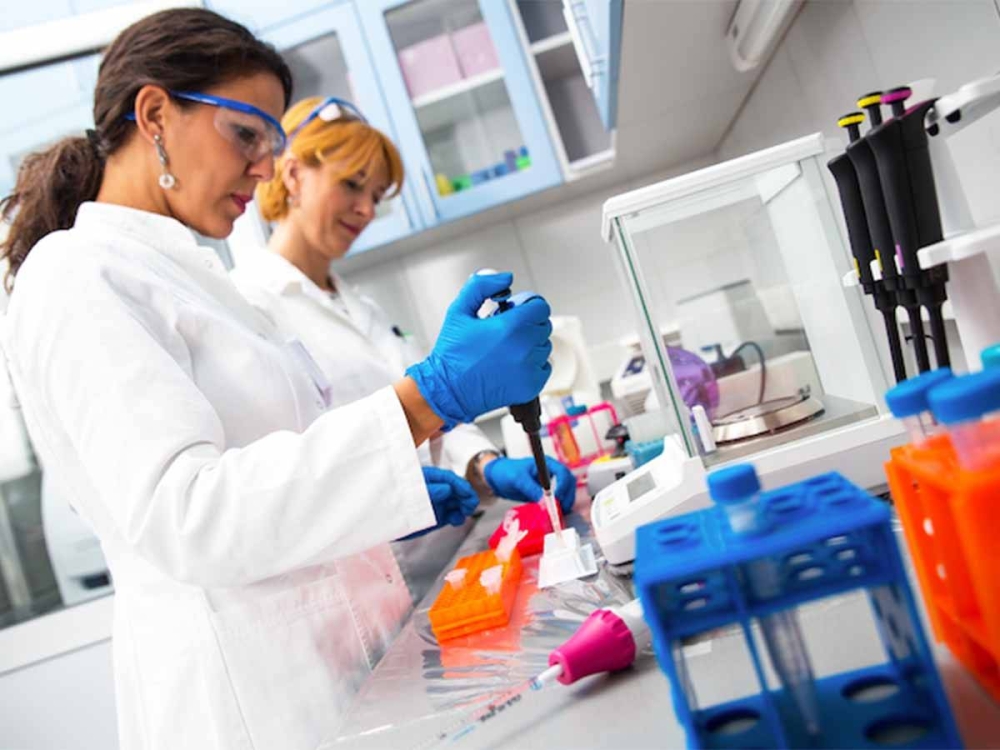
توصل علماء بريطانيون إلى طريقة علمية حديثة لزرع خلايا جذعية كبدية تلتصق جيداً بأنسجة الكبد، وتسرّع عملية تجديده في حالة التلف الشديد والحاد.
ووفقاً للتجارب السابقة التي أجراها الباحثون بجامعة برمنغهام البريطانية خلال الدراسة، على خلايا تسمى (HPC)، وهي أحد الأنواع الفرعية من الخلايا الجذعية القادرة على التحول إلى أنسجة كبدية متنوعة، فإن معظمها باءت بالفشل، إذ لم ينجُ سوى عدد ضئيل من خلايا الكبد عالية الأداء داخل العضو، وفي هذه التجربة الحديثة توصل الخبراء في علم الأحياء الجزيئية بالجامعة لحل هذه المشكلة عن طريق تغليف الخلايا الجذعية بجزيئات «لزجة» ترتبط بشكل انتقائي بأنسجة الكبد التالفة، وانطلاقاً من هذه الفكرة الجديدة اختار الباحثون مجموعة من الكربوهيدرات القادرة على الارتباط بالخلايا الجذعية وأنسجة الكبد البشرية، بمساعدة «غراء» جزيئي خاص، واختبر العلماء هذه الطريقة بنجاح على نماذج كبدية مصغرة مزروعة في أنبوب اختبار، فوجدوا أن هذا الغراء لا يؤثر سلباً على الوظائف الحيوية لخلايا الكبد عالية الأداء، بل يساعد على توزيع الخلايا الجذعية بشكل أكثر اتساقاً في المناطق التالفة، ويعزز التصاقها بسطح العضو.
وقالت معدّة الدراسة بالجامعة ماريا أرنو: «نعتقد أن بالإمكان تطبيق التقنية على أنواع أخرى من الخلايا الجذعية لأغراض مختلفة، لكننا بحاجة إلى دراسة تأثيرها على النشاط الحيوي والاستجابة المناعية للخلايا قبل الانتقال إلى التطبيق العملي».
وأضافت: «يعد زرع الكبد حالياً الخيار العلاجي الوحيد للعديد من أمراض الكبد الحادة، لكن الأطباء كثيراً ما يواجهون صعوبات في العثور على متبرع مناسب، لذلك يمكن أن تشكل هذه الطريقة المبتكرة بديلاً لزراعة الكبد، من خلال تحسين قدرة الخلايا الجذعية على تجديد أنسجته، وسيساعد هذا الابتكار في تجنب الحاجة إلى زراعة الكبد في حالات تليف الكبد الحاد».
British scientists have developed a modern scientific method for implanting liver stem cells that adhere well to liver tissues and accelerate the regeneration process in cases of severe and acute damage.
According to previous experiments conducted by researchers at the University of Birmingham during the study, on cells called (HPC), which are a subtype of stem cells capable of transforming into various liver tissues, most of them failed, with only a small number of high-performing liver cells surviving within the organ. In this recent experiment, experts in molecular biology at the university found a solution to this problem by encapsulating the stem cells in "sticky" particles that selectively bind to damaged liver tissues. Based on this new idea, the researchers selected a group of carbohydrates capable of binding to stem cells and human liver tissues, with the help of a special molecular "glue." The scientists successfully tested this method on miniature liver models grown in a test tube, finding that this glue does not negatively affect the vital functions of high-performing liver cells, but rather helps distribute the stem cells more consistently in the damaged areas and enhances their adhesion to the surface of the organ.
The study's author at the university, Maria Arno, stated: "We believe that this technique can be applied to other types of stem cells for different purposes, but we need to study its impact on the biological activity and immune response of the cells before moving to practical application."
She added: "Liver transplantation is currently the only therapeutic option for many acute liver diseases, but doctors often face difficulties in finding a suitable donor. Therefore, this innovative method could provide an alternative to liver transplantation by improving the ability of stem cells to regenerate its tissues, and this innovation will help avoid the need for liver transplantation in cases of acute liver cirrhosis."