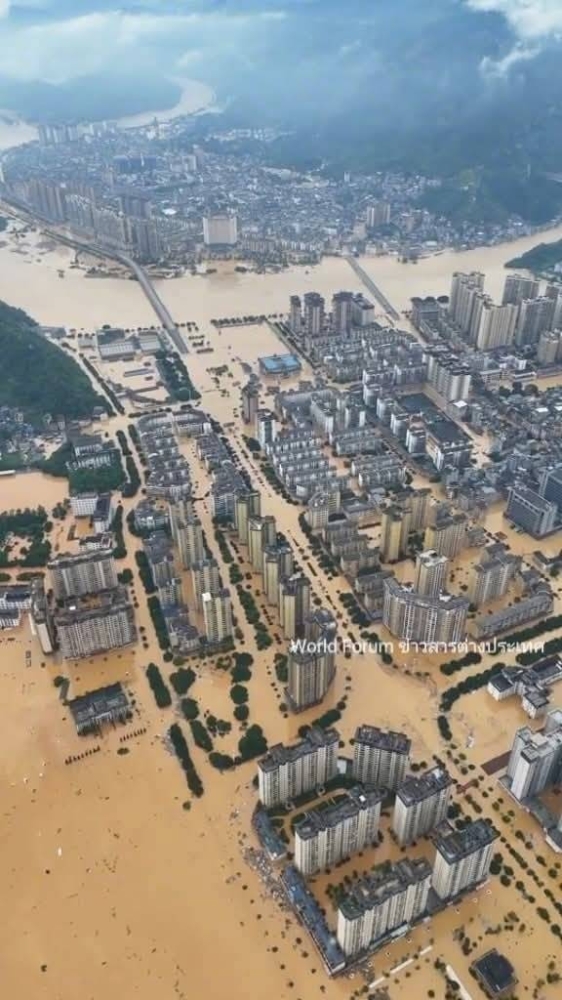
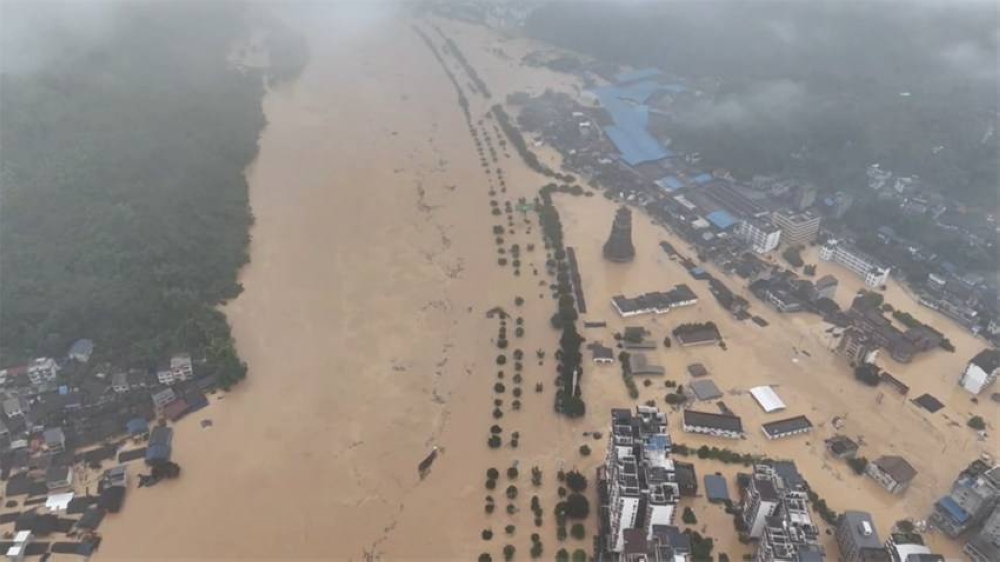
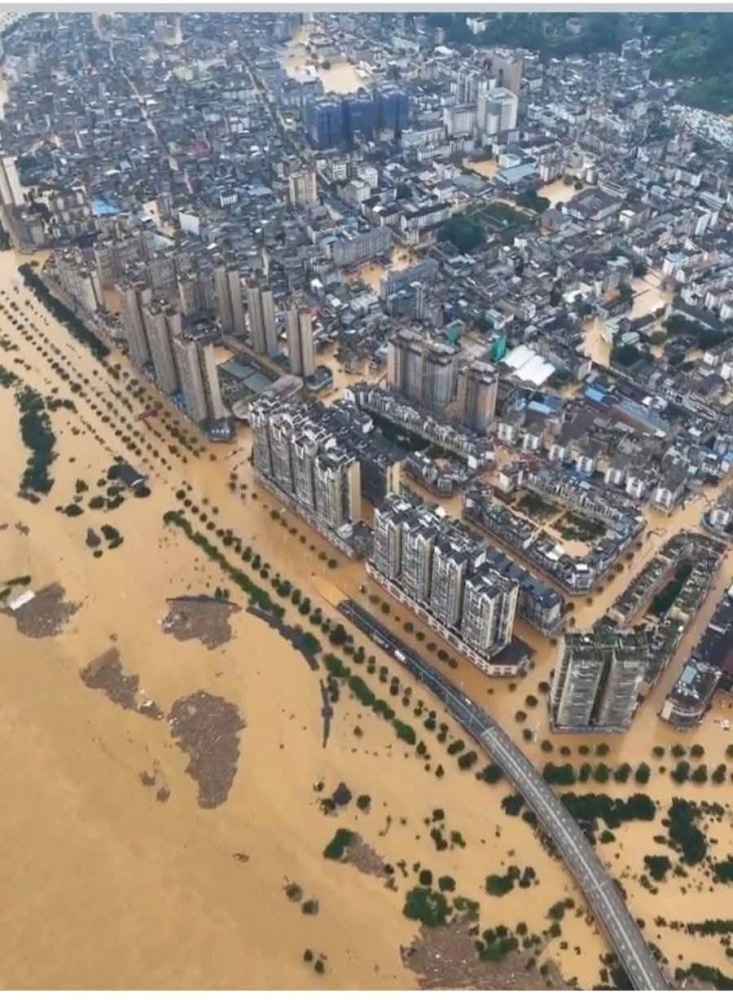
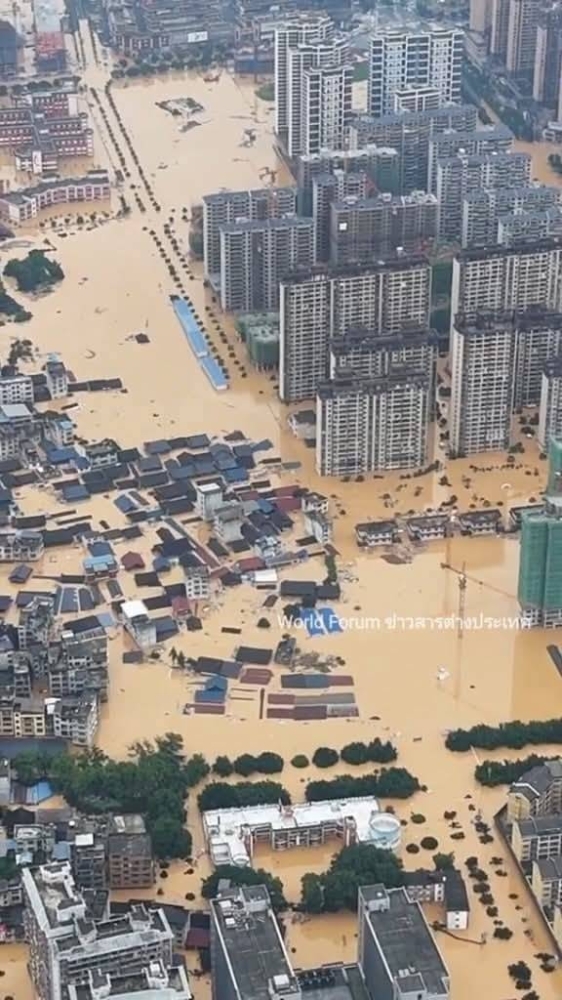
شهدت مناطق واسعة في جنوب ووسط الصين، اليوم (الخميس)، فيضانات كارثية وصفت بأنها الأسوأ منذ عقود، نتيجة أمطار غزيرة استمرت لأيام، مما أدى إلى ارتفاع منسوب الأنهار وتدمير البنية التحتية ونزوح الآلاف.
وتركزت الفيضانات بشكل خاص في مقاطعة قويتشو، حيث أُجبر أكثر من 80 ألف شخص على الإجلاء بعد أن وصلت مياه الفيضانات إلى مستويات قياسية، حيث ارتفع منسوب نهر رونغجيانغ إلى أكثر من 837 قدمًا، وهو ما وصفه المسؤولون بـ«فيضان يحدث مرة كل 50 عامًا».
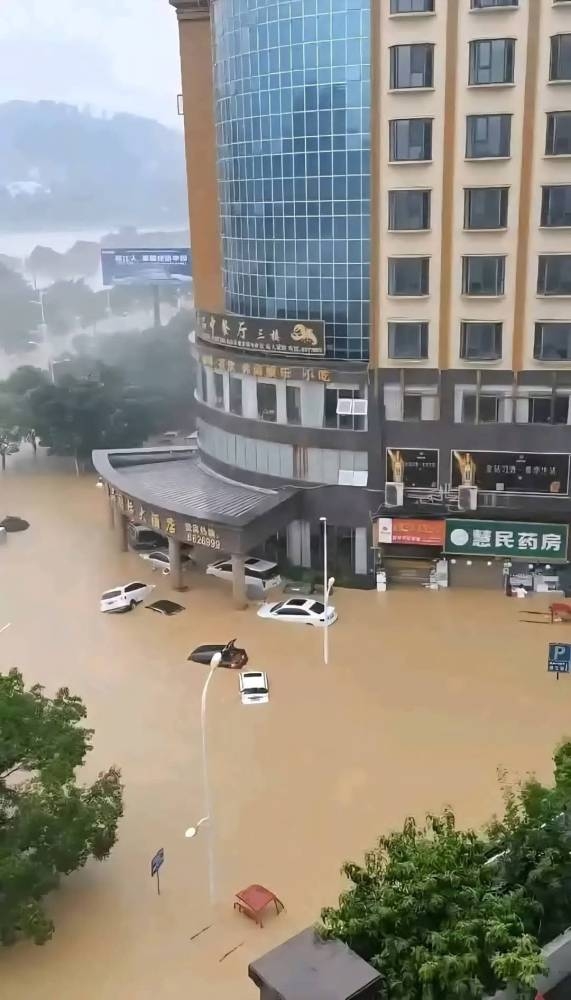
وأعلنت السلطات الصينية حالة الطوارئ القصوى في عدة مقاطعات، بما في ذلك قويتشو، آنهوي، خنان، هوبي، هونان، ومنطقة قوانغشي، بعد أن تجاوزت 31 نهرًا مستويات التحذير من الفيضانات، وفي مدينة تشونغتشينغ، غمرت المياه الطينية شوارع المدينة، وجرفت المركبات، بينما وصلت المياه في بعض المناطق إلى أعلى خطوط الكهرباء.
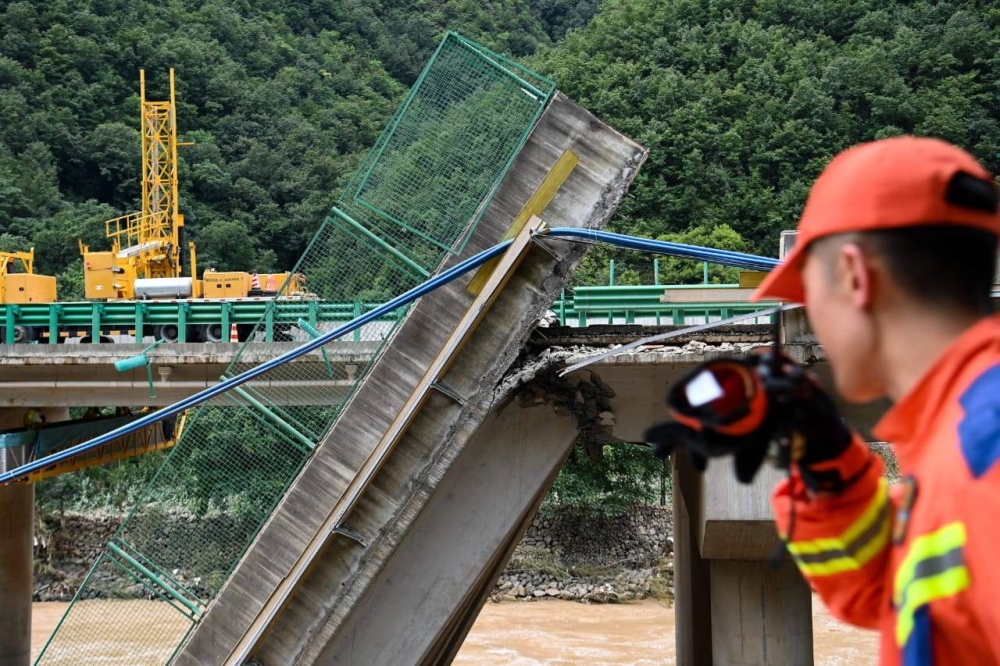
وتسببت الأمطار الغزيرة في انهيارات أرضية وفيضانات مفاجئة، مما أدى إلى تضرر الطرق والجسور وخطوط الكهرباء، وتكبدت خسائر اقتصادية مباشرة تُقدر بمليارات اليوانات، وفي قويتشو وحدها، تأثر أكثر من 600 ألف شخص، مع تسجيل أضرار واسعة في المحاصيل الزراعية والبنية التحتية.
وأعلنت السلطات الصينية مشاركة فرق الإنقاذ، بما في ذلك رجال الإطفاء والشرطة والجيش، في جهود مكثفة لإجلاء المتضررين وتوزيع المساعدات الإغاثية.
وأرجع خبراء الأرصاد الجوية هذه الفيضانات إلى تغير المناخ، الذي زاد من شدة وتكرار الأمطار الغزيرة في الصين، حيث أصدرت الهيئة الوطنية للأرصاد الجوية تحذيرات حمراء لتوقع استمرار الأمطار في الأيام القادمة.
وتُعد هذه الفيضانات جزءًا من موسم الأمطار السنوي الذي بدأ مبكرًا هذا العام في يونيو، مما زاد من التحديات التي تواجهها الصين، ثاني أكبر اقتصاد في العالم، في مواجهة الكوارث الطبيعية.
وتُعد الصين واحدة من الدول الأكثر عرضة للكوارث الطبيعية، خصوصا الفيضانات، بسبب موقعها الجغرافي وحجم سكانها الهائل الذي يتجاوز 1.4 مليار نسمة، وتشهد البلاد موسم أمطار سنوي من مايو إلى سبتمبر، غالبًا ما يؤدي إلى فيضانات مدمرة، خصوصا في المناطق الجنوبية والوسطى مثل حوض نهر اليانغتسي ودلتا نهر اللؤلؤ.
وفي عام 2024، سجلت الصين 25 فيضانًا كبيرًا في الأنهار الرئيسية، مع أضرار اقتصادية تجاوزت 27.8 مليار يوان (3.8 مليار دولار) بحلول يونيو 2024، وتأثر 13.74 مليون شخص.
تفاقمت هذه الكوارث بسبب تغير المناخ، الذي أدى إلى هطول أمطار أكثر كثافة وغير متوقعة، مما يضع ضغطًا هائلاً على أنظمة الدفاع ضد الفيضانات القديمة في الصين، وفي وقت سابق من هذا العام، شهدت مقاطعة قوانغدونغ فيضانات غير مسبوقة، حيث تم إجلاء أكثر من 110 آلاف شخص، وتضررت آلاف الهكتارات من الأراضي الزراعية.
Widespread areas in southern and central China experienced catastrophic flooding today (Thursday), described as the worst in decades, due to heavy rains that lasted for days, leading to rising river levels, infrastructure destruction, and the displacement of thousands.
The flooding was particularly concentrated in Guizhou Province, where more than 80,000 people were forced to evacuate after floodwaters reached record levels, with the water level of the Rongjiang River rising to over 837 feet, which officials described as a "flood that occurs once every 50 years."
The Chinese authorities declared a maximum emergency in several provinces, including Guizhou, Anhui, Henan, Hubei, Hunan, and the Guangxi region, after 31 rivers exceeded flood warning levels. In the city of Chongqing, muddy waters inundated the streets, sweeping away vehicles, while in some areas, the water reached the highest power lines.
The heavy rains caused landslides and flash floods, damaging roads, bridges, and power lines, resulting in direct economic losses estimated in the billions of yuan. In Guizhou alone, over 600,000 people were affected, with widespread damage recorded in agricultural crops and infrastructure.
The Chinese authorities announced the involvement of rescue teams, including firefighters, police, and the military, in intensive efforts to evacuate those affected and distribute relief aid.
Weather experts attributed these floods to climate change, which has increased the intensity and frequency of heavy rains in China, with the National Meteorological Administration issuing red alerts predicting continued rainfall in the coming days.
These floods are part of the annual rainy season that began early this year in June, increasing the challenges faced by China, the world's second-largest economy, in dealing with natural disasters.
China is one of the countries most vulnerable to natural disasters, especially floods, due to its geographical location and its massive population of over 1.4 billion people. The country experiences an annual rainy season from May to September, often leading to devastating floods, particularly in southern and central regions such as the Yangtze River Basin and the Pearl River Delta.
In 2024, China recorded 25 major floods in the main rivers, with economic damages exceeding 27.8 billion yuan (3.8 billion dollars) by June 2024, affecting 13.74 million people.
These disasters have been exacerbated by climate change, which has led to more intense and unpredictable rainfall, putting tremendous pressure on China's aging flood defense systems. Earlier this year, Guangdong Province experienced unprecedented flooding, with over 110,000 people evacuated and thousands of hectares of agricultural land damaged.