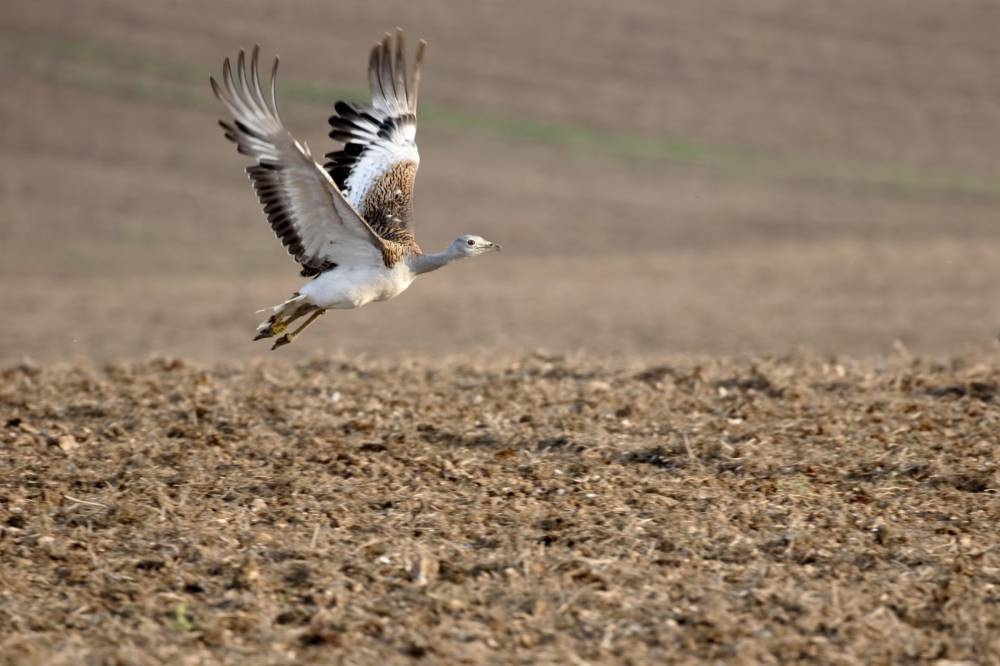
حذّر باحثون من أن أكثر من 482 نوعًا من الطيور قد تختفي خلال القرن القادم إذا استمرت الاتجاهات الحالية، داعين إلى برامج إنقاذ عاجلة تشمل التكاثر في الأسر واستعادة الموائل لحماية الأنواع النادرة.
تشمل الطيور المهددة؛ البفن، الحمامة السلحفائية الأوروبية، والنغام الكبير، مما يهدد بانهيار النظم البيئية عالميًا.
وصف كيري ستيوارت، الباحث الرئيسي من جامعة ريدينغ، هذه النتائج بأنها إحصائية صادمة، مشيرًا إلى أن عدد الأنواع المهددة يفوق ثلاثة أضعاف الطيور التي انقرضت خلال الـ500 عام الماضية.
نُشرت الدراسة في مجلة Nature Reviews Earth & Environment، حيث حلل الباحثون بيانات حوالى 10,000 نوع طيور، مستخدمين بيانات الاتحاد الدولي للحفاظ على الطبيعة لتوقع مخاطر الانقراض، وبرز فقدان الموائل، الناتج عن التوسع الزراعي وتكثيفه، كأكبر تهديد، إلى جانب الصيد والتغيرات المناخية.
حتى لو توقفت هذه التهديدات اليوم، فإن حوالى 250 إلى 300 نوع قد تنقرض بسبب وضعها الحرج.
وأكد الباحثون أن الجهود المحلية، مثل ترميم الموائل وبرامج التكاثر، ضرورية لإنقاذ الأنواع، وقال ستيوارت: «بعض الطيور تحتاج إلى تدخلات مكثفة، مثل التكاثر في الأسر وإطلاقها، لتتمكن من البقاء».
وتُظهر قصص نجاح مثل كندور كاليفورنيا، الذي انقرض في البرية عام 1987، إمكانية الإنقاذ، وبفضل برامج التكاثر، عاد الكوندور إلى الطبيعة بأعداد تصل إلى 350 طائرًا.
وفي المملكة المتحدة، عاد طائر البيترن، الذي انقرض كطائر متكاثر في 1870 بسبب تجفيف مستنقعاته، إلى أعلى مستوياته منذ قرنين بفضل استعادة الموائل، مع تسجيل أكثر من 228 ذكرًا نشطًا العام الماضي.
وأكدت الدكتورة مانويلا غونزاليس سواريز، الباحثة الرئيسية، أن وقف التهديدات وحده لن يكفي، حيث تحتاج 250 إلى 350 نوعًا إلى تدخلات مثل التكاثر في الأسر وإعادة التوطين.
وأشار تقرير حالة طيور العالم إلى أن نصف أنواع الطيور في العالم تشهد انخفاضًا، مع تهديدات رئيسية تشمل قطع الأشجار، الأنواع الغازية، واستغلال الموارد.
وقال ستيوارت بوتشارت، العالم الرئيسي في BirdLife International، إن حل أزمة الانقراض يتطلب نهجًا شاملًا، يشمل المناطق المحمية، تقليل التهديدات الزراعية، وتدخلات مستهدفة.
Researchers have warned that more than 482 bird species could disappear over the next century if current trends continue, calling for urgent rescue programs that include captive breeding and habitat restoration to protect rare species.
The threatened birds include the puffin, the European turtle dove, and the great snipe, which threatens the collapse of ecosystems globally.
Kerry Stewart, the lead researcher from the University of Reading, described these findings as shocking statistics, noting that the number of threatened species is more than three times the number of birds that have gone extinct in the past 500 years.
The study was published in the journal Nature Reviews Earth & Environment, where researchers analyzed data from about 10,000 bird species, using data from the International Union for Conservation of Nature to predict extinction risks. Habitat loss, resulting from agricultural expansion and intensification, emerged as the biggest threat, alongside hunting and climate change.
Even if these threats were to stop today, about 250 to 300 species could still go extinct due to their critical status.
The researchers emphasized that local efforts, such as habitat restoration and breeding programs, are essential to save species. Stewart stated, “Some birds require intensive interventions, such as captive breeding and release, to survive.”
Success stories like the California condor, which went extinct in the wild in 1987, demonstrate the potential for rescue. Thanks to breeding programs, the condor has returned to the wild with numbers reaching 350 birds.
In the United Kingdom, the bittern, which went extinct as a breeding bird in 1870 due to the draining of its wetlands, has returned to its highest levels in two centuries thanks to habitat restoration, with over 228 active males recorded last year.
Dr. Manuela Gonzalez Suarez, the lead researcher, confirmed that stopping the threats alone will not be enough, as 250 to 350 species need interventions such as captive breeding and reintroduction.
The State of the World's Birds report indicated that half of the bird species worldwide are experiencing declines, with major threats including deforestation, invasive species, and resource exploitation.
Stuart Butchart, the chief scientist at BirdLife International, stated that solving the extinction crisis requires a comprehensive approach, including protected areas, reducing agricultural threats, and targeted interventions.