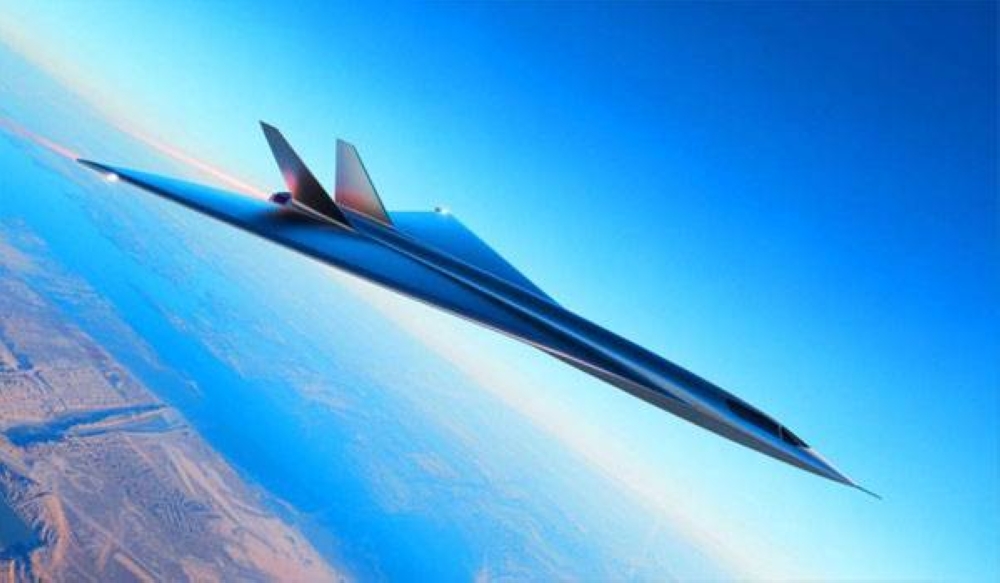
في خطوة وُصفت بأنها قد تُحدث نقلة نوعية في مجال الطيران، أعلنت الصين عن تطوير طائرة فرط صوتية قادرة على الدوران حول الكرة الأرضية خلال ساعتين فقط (ما يعادل 120 دقيقة)، بسرعة تصل إلى نحو 20 ألف كيلومتر في الساعة. ويعتمد هذا الإنجاز التكنولوجي على محرك متطور يستخدم آليات احتراق جديدة تمهد لعصر جديد من السفر العالمي الفائق السرعة.
وتعتمد الطائرة الجديدة على محرك ثوري بتقنية «الاحتراق الدوراني والمائل»، وتمثل قفزة نوعية في عالم الطيران، كما تعد بإحداث ثورة في التنقل بين القارات، إذ يمكن تقليص الرحلات الطويلة من ساعات إلى دقائق، بحسب ما ذكرته مجلة «Sustainability Times».
ويمكن اختصار رحلة نموذجية من نيويورك إلى لندن، التي تستغرق حالياً حوالى 7 ساعات، إلى 16 دقيقة فقط باستخدام هذه التقنية.
ويركز تصميم المحرك على تعظيم كفاءة الطاقة والحفاظ على الاستقرار عند السرعات القصوى، ما قد يُسهم في تقليل انبعاثات الكربون مقارنةً بالطائرات التقليدية.
قد يبدو هذا أشبه بخيال علمي، إلا أنه يستند إلى عقود من البحث في مجال الطيران الأسرع من الصوت، تماماً كما تُسهم الظواهر الكونية في تحقيق تقدم علمي كبير.
تتمحور وظيفة المحرك فائق السرعة حول مرحلتين رئيسيتين:
- التفجير الدوراني حتى سرعة 7 ماخ.
- التفجير المائل لسرعات تتجاوز 7 ماخ.
في المرحلة الأولية، يتحرك الهواء في حركة لولبية داخل حجرة أسطوانية، ما يُحدث موجة تفجير مستمرة تُعزز بشكل كبير قوة الدفع والكفاءة. بمجرد أن تتجاوز الطائرة سرعة 7 ماخ، ينتقل المحرك إلى التفجير المائل، حيث يُضغط الهواء ويُشعل بزاوية، ما يضمن الاستقرار عند السرعات العالية جداً.
ومع ذلك، لا تخلو هذه المعجزة التكنولوجية من تحديات. فالسرعات الفائقة تُولّد حرارةً شديدة، ما يستلزم تطوير مواد متقدمة لتحمل الإجهاد الحراري. كما تُعدّ مخاوف السلامة المتعلقة بنقل الركاب بهذه السرعات بالغة الأهمية. ويجب معالجة هذه العقبات قبل أن يُصبح السفر بسرعات تفوق سرعة الصوت خياراً عملياً لعامة الناس.
وتلعب الاعتبارات البيئية دوراً حاسماً أيضاً. فعلى الرغم من ادعاء المطورين انخفاض انبعاثات ثاني أكسيد الكربون، إلا أن التأثير البيئي الشامل للطيران بسرعات تفوق سرعة الصوت يتطلب تقييماً شاملاً. وكما هو الحال مع أي تقنية جديدة، من الضروري الموازنة بين التقدم والاستدامة.
In a move described as potentially transformative in the field of aviation, China has announced the development of a hypersonic aircraft capable of circling the globe in just two hours (equivalent to 120 minutes), with speeds reaching up to about 20,000 kilometers per hour. This technological achievement relies on an advanced engine that uses new combustion mechanisms, paving the way for a new era of ultra-fast global travel.
The new aircraft is based on a revolutionary engine utilizing "rotational and inclined combustion" technology, representing a qualitative leap in the aviation world, and promises to revolutionize intercontinental travel, as long journeys can be reduced from hours to minutes, according to the magazine "Sustainability Times."
A typical flight from New York to London, which currently takes about 7 hours, could be shortened to just 16 minutes using this technology.
The engine's design focuses on maximizing energy efficiency and maintaining stability at maximum speeds, which could contribute to reducing carbon emissions compared to conventional aircraft.
This may sound like science fiction, but it is based on decades of research in supersonic aviation, just as cosmic phenomena contribute to significant scientific advancements.
The function of the hypersonic engine revolves around two main phases:
- Rotational combustion up to a speed of 7 Mach.
- Inclined combustion for speeds exceeding 7 Mach.
In the initial phase, air moves in a spiral motion inside a cylindrical chamber, creating a continuous explosion wave that significantly enhances thrust and efficiency. Once the aircraft exceeds a speed of 7 Mach, the engine shifts to inclined combustion, where the air is compressed and ignited at an angle, ensuring stability at very high speeds.
However, this technological marvel is not without challenges. Hypersonic speeds generate intense heat, necessitating the development of advanced materials to withstand thermal stress. Safety concerns related to transporting passengers at these speeds are also critically important. These obstacles must be addressed before supersonic travel becomes a practical option for the general public.
Environmental considerations also play a crucial role. Although developers claim reduced carbon dioxide emissions, the overall environmental impact of flying at supersonic speeds requires comprehensive assessment. As with any new technology, it is essential to balance progress with sustainability.