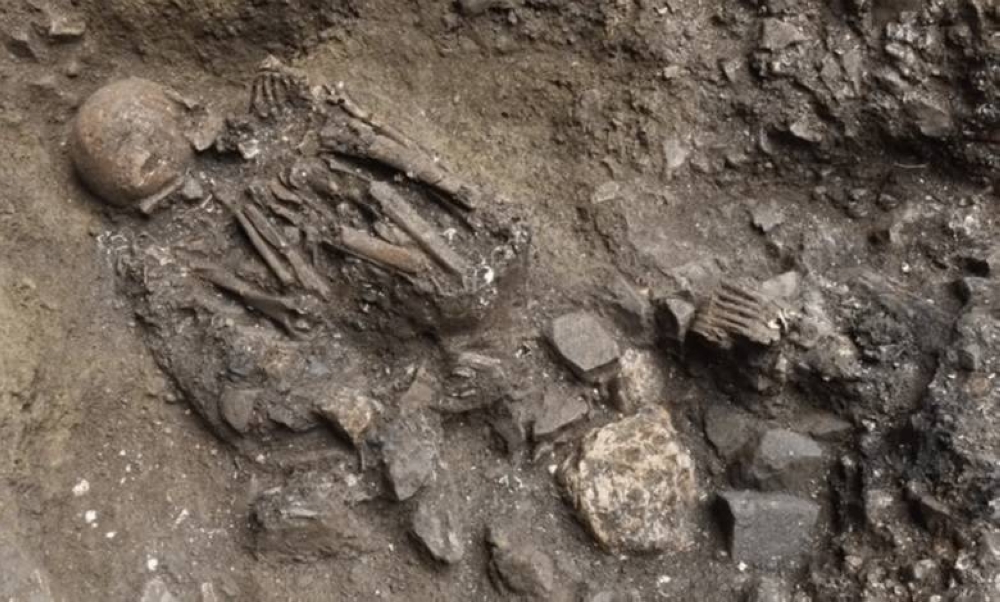
كشف علماء عن سلالة بشرية «شبحية» لم تكن معروفة من قبل، من خلال دراسة هيكل عظمي عمره 7100 عام لامرأة تنتمي للعصر الحجري الحديث المبكر، تم العثور عليه في موقع «شينغيي» الأثري في مقاطعة يونّان جنوب غرب الصين، أُطلق على هذه المرأة اسم Xingyi_EN، وقد أظهرت تحاليل الحمض النووي الخاصة بها ارتباطها بسلالة بشرية عميقة الانقسام، يُعتقد أنها ساهمت لاحقاً في تكوين النسب الجيني لبعض سكان التبت المعاصرين.
الدراسة التي نشرت في مجلة Science، شملت تحليلاً لـ127 جمجمة وهياكل بشرية تعود إلى فترة ما بين 1400 و7150 عاماً مضت، جميعها من مقاطعة يونّان التي تُعد من أكثر المناطق تنوعاً عرقياً ولغوياً في الصين الحديثة.
بحسب الدراسة، أظهر تأريخ الكربون المشع أن Xingyi_EN عاشت قبل حوالى 7100 سنة، وأن تحليل النظائر أشار إلى أنها كانت تعيش على نمط حياة الصيد والجمع، لكن المفاجأة جاءت من خلال تحليل التسلسل الجيني الكامل، الذي كشف أن المرأة تنتمي إلى سلالة بشرية قديمة، أُطلق عليها الآن اسم «سلالة شينغيي الآسيوية القاعدية» (Basal Asian Xingyi lineage).
تُظهر التحاليل أن هذه السلالة انفصلت عن باقي السلالات البشرية الحديثة منذ أكثر من 40 ألف سنة، وظلت منعزلة عن بقية المجموعات البشرية الأخرى لآلاف السنين، دون أي اختلاط جيني يُذكر، ما يجعلها واحدة من أقدم الخطوط الوراثية المعروفة في شرق آسيا.
وعلى الرغم من أن الحمض النووي الخاص بهذه السلالة لا يُطابق الحمض النووي لإنسان النياندرتال أو الدنيسوفان، إلا أن الباحثين رجّحوا أنها ساهمت لاحقاً في تشكيل الجينات الوراثية لشعوب التبت الذين يعيشون اليوم في المرتفعات.
وأكدت الدراسة أن مقاطعة يونّان تُعد منطقة حيوية لفهم التاريخ الوراثي للإنسان القديم في شرق وجنوب شرق آسيا، فقد كتب الباحثون: «الإنسان القديم الذي عاش في هذه المنطقة قد يكون المفتاح للإجابة على العديد من الأسئلة العالقة حول أصول شعوب الهضبة التبتية وغيرها من المناطق المجاورة».
وتشير الأدلة إلى أن مجموعة من السكان الناطقين بلغات الأوستروآسيوية (Austroasiatic) الذين عاشوا في المنطقة قبل آلاف السنين كانت لهم صلة مباشرة بسكان «شينغيي»، وهو ما يعزز مكانة يونّان كمركز أساسي للتنوع البشري والجيني.
يمثل هذا الاكتشاف أول دليل مادي ملموس على وجود سلالة بشرية لم تكن معروفة إلا نظرياً في السابق، ويفتح الباب أمام إعادة كتابة جزء كبير من التاريخ البشري في آسيا، كما أنه يعزز الفرضية القائلة إن البشر الأوائل الذين سكنوا تلك المناطق النائية لعبوا دوراً محورياً في تطور المجموعات السكانية اللاحقة، خصوصاً تلك التي استقرت في المرتفعات والتضاريس القاسية مثل هضبة التبت.
Scientists have revealed a "ghostly" human lineage that was previously unknown, through the study of a 7,100-year-old skeleton of a woman belonging to the early Neolithic period, found at the archaeological site of "Xingyi" in Yunnan Province, southwestern China. This woman has been named Xingyi_EN, and analyses of her DNA showed her connection to a deeply divergent human lineage, believed to have later contributed to the genetic makeup of some contemporary Tibetan populations.
The study, published in the journal Science, included an analysis of 127 skulls and human remains dating back between 1,400 and 7,150 years, all from Yunnan Province, which is considered one of the most ethnically and linguistically diverse regions in modern China.
According to the study, radiocarbon dating indicated that Xingyi_EN lived about 7,100 years ago, and isotope analysis suggested that she lived a lifestyle of hunting and gathering. However, the surprise came from the analysis of the complete genetic sequence, which revealed that the woman belonged to an ancient human lineage, now referred to as the "Basal Asian Xingyi lineage."
The analyses show that this lineage diverged from other modern human lineages more than 40,000 years ago and remained isolated from other human groups for thousands of years, with little to no genetic mixing, making it one of the oldest known genetic lineages in East Asia.
Although the DNA of this lineage does not match that of Neanderthals or Denisovans, researchers suggested that it later contributed to the genetic makeup of the Tibetan peoples living today in the highlands.
The study confirmed that Yunnan Province is a vital area for understanding the genetic history of ancient humans in East and Southeast Asia. The researchers wrote: "The ancient humans who lived in this region may hold the key to answering many lingering questions about the origins of the peoples of the Tibetan plateau and other neighboring areas."
Evidence suggests that a group of Austroasiatic-speaking populations who lived in the area thousands of years ago had a direct connection to the "Xingyi" inhabitants, reinforcing Yunnan's status as a key center for human and genetic diversity.
This discovery represents the first tangible material evidence of a human lineage that was previously known only theoretically, and it opens the door to rewriting a significant part of human history in Asia. It also supports the hypothesis that the early humans who inhabited those remote areas played a pivotal role in the development of later populations, especially those that settled in the highlands and harsh terrains like the Tibetan plateau.