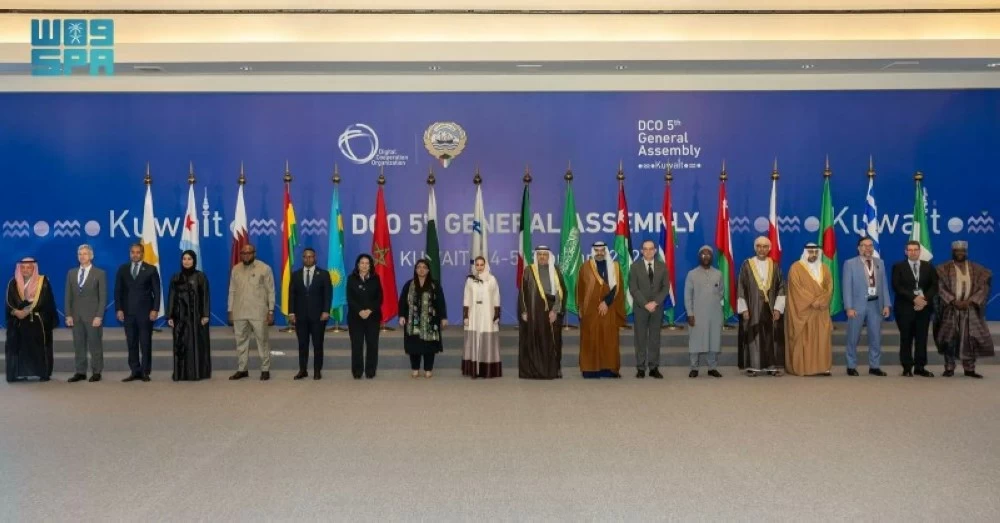
اختتمت منظمة التعاون الرقمي أعمال جمعيتها العامة الخامسة، التي استضافتها وترأستها دولة الكويت يومي 4 و5 فبراير، باعتماد «إعلان الكويت» بوصفه خارطة طريق عالمية للذكاء الاصطناعي المسؤول والازدهار الرقمي الشامل.
وشارك في الاجتماع وزراء وممثلون عن الدول الأعضاء وشركاء دوليون، حيث اتفقوا على حزمة إجراءات عملية لتحويل الطموحات الرقمية إلى برامج تنفيذية واقعية للفترة (2025–2028)، تقوم على الثقة، والحوكمة الأخلاقية، وتقليص الفجوات الرقمية.
وأكد الإعلان أن الذكاء الاصطناعي يمثل فرصة كبرى لتعزيز الإنتاجية والخدمات العامة، لكنه شدد في الوقت ذاته على ضرورة ضبط مخاطره المرتبطة بالتحيز، وعدم المساواة، والخصوصية، والأمن، بما يضمن أن تكون التقنية في خدمة الإنسان لا العكس.
وشهدت الجمعية تقدماً ملموساً في مبادرات محورية، شملت قياس الاقتصاد الرقمي، وسيادة البيانات، ودعم الشركات الناشئة، والحكومة الرقمية، والجاهزية لتبني الذكاء الاصطناعي، مع تركيز خاص على تمكين المنشآت التي تقودها النساء، وتنمية المهارات، والسلامة الرقمية، والاستدامة.
كما أُعلن انتقال رئاسة المنظمة من الكويت إلى باكستان لعام 2026، وتولي المملكة العربية السعودية رئاسة مجلس المنظمة في 2027، في إطار تعزيز التعاون الدولي وبناء اقتصاد رقمي موثوق وعابر للحدود.
وأكدت قيادات المنظمة أن ما جرى في الكويت يمثل نقطة تحول مفصلية، اختار فيها العالم التعاون بدل الانقسام، والثقة بدل الخوف، على أمل بناء مستقبل رقمي يُسخّر الابتكار لخدمة المجتمعات وتحقيق ازدهار شامل للجميع.
The Digital Cooperation Organization concluded its fifth General Assembly, hosted and chaired by the State of Kuwait on February 4 and 5, with the adoption of the "Kuwait Declaration" as a global roadmap for responsible artificial intelligence and inclusive digital prosperity.
The meeting was attended by ministers and representatives from member countries and international partners, where they agreed on a package of practical measures to transform digital ambitions into realistic executive programs for the period (2025–2028), based on trust, ethical governance, and reducing digital gaps.
The declaration emphasized that artificial intelligence represents a major opportunity to enhance productivity and public services, but it also stressed the need to manage its risks related to bias, inequality, privacy, and security, ensuring that technology serves humanity, not the other way around.
The assembly witnessed tangible progress in key initiatives, including measuring the digital economy, data sovereignty, supporting startups, digital government, and readiness to adopt artificial intelligence, with a special focus on empowering women-led enterprises, skill development, digital safety, and sustainability.
It was also announced that the presidency of the organization will transfer from Kuwait to Pakistan for 2026, with the Kingdom of Saudi Arabia taking over the presidency of the organization’s council in 2027, as part of enhancing international cooperation and building a reliable and cross-border digital economy.
Organization leaders affirmed that what took place in Kuwait represents a pivotal turning point, where the world chose cooperation over division, and trust over fear, with the hope of building a digital future that harnesses innovation to serve communities and achieve inclusive prosperity for all.