توقعت شركة كاونتربوينت لأبحاث السوق تراجع شحنات الهواتف الذكية حول العالم بنسبة 2.1% خلال العام القادم، نتيجة ارتفاع تكاليف الرقائق وتأثيره المباشر على الطلب. وتشير التحليلات إلى أن سلاسل توريد الإلكترونيات واجهت ضغوطاً كبيرة خلال الأشهر الماضية بسبب نقص الرقائق التقليدية، فيما تحول المصنعون إلى رقائق الذاكرة المتطورة المخصصة لتطبيقات الذكاء الاصطناعي.
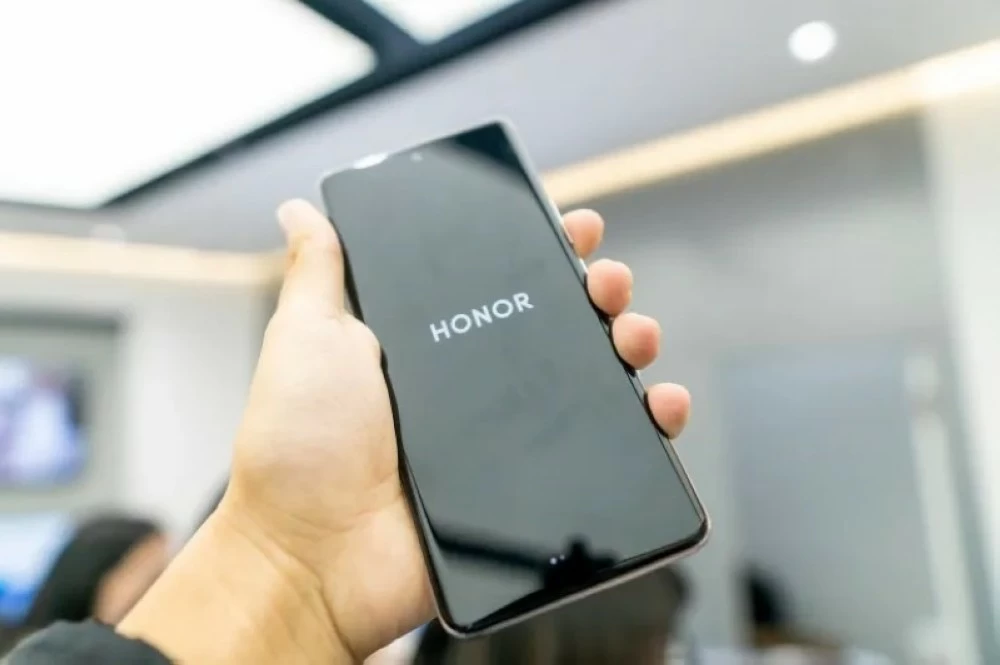
ولفت التقرير الانتباه إلى أن العلامات التجارية الصينية مثل «هونر» و«أوبو» ستكون الأكثر تضرراً، خصوصاً في فئة الهواتف الاقتصادية ذات هوامش الربح المحدودة. وأوضحت الشركة أن خطوة «إنفيديا» باستخدام رقائق الذاكرة المخصصة للذكاء الاصطناعي قد تؤدي إلى مضاعفة أسعار هذه الرقائق بحلول أواخر 2026، ما يزيد الضغط على صناعة الهواتف الذكية.
ورغم ذلك، أظهرت بيانات مؤسسة «إنترناشونال داتا كوربوريشن» ارتفاع شحنات الهواتف الذكية عالمياً 2.6% في الربع الثالث من 2025، مدفوعة بالطلب على الأجهزة المتطورة المزودة بتقنيات الذكاء الاصطناعي، والأسعار الجذابة والعروض الترويجية، في ظل حالة عدم اليقين الاقتصادي والرسوم الجمركية.
ويُنتظر أن تشهد سوق الهواتف الذكية مواجهة مزدوجة: ارتفاع تكاليف الرقائق مقابل الطلب القوي على الأجهزة المتطورة، ما قد يشكل تحدياً للشركات المصنعة في الحفاظ على الأرباح والحصة السوقية.
Counterpoint Research has predicted a 2.1% decline in global smartphone shipments next year, due to rising chip costs and their direct impact on demand. Analyses indicate that electronics supply chains have faced significant pressures in recent months due to a shortage of traditional chips, while manufacturers have shifted to advanced memory chips designed for artificial intelligence applications.
The report highlighted that Chinese brands such as "Honor" and "Oppo" will be the most affected, especially in the budget smartphone segment with limited profit margins. The company explained that NVIDIA's move to use AI-specific memory chips could lead to a doubling of prices for these chips by late 2026, increasing pressure on the smartphone industry.
Despite this, data from the International Data Corporation showed a 2.6% increase in global smartphone shipments in the third quarter of 2025, driven by demand for advanced devices equipped with AI technologies, attractive prices, and promotional offers, amid economic uncertainty and tariffs.
The smartphone market is expected to face a dual challenge: rising chip costs versus strong demand for advanced devices, which could pose a challenge for manufacturers in maintaining profits and market share.