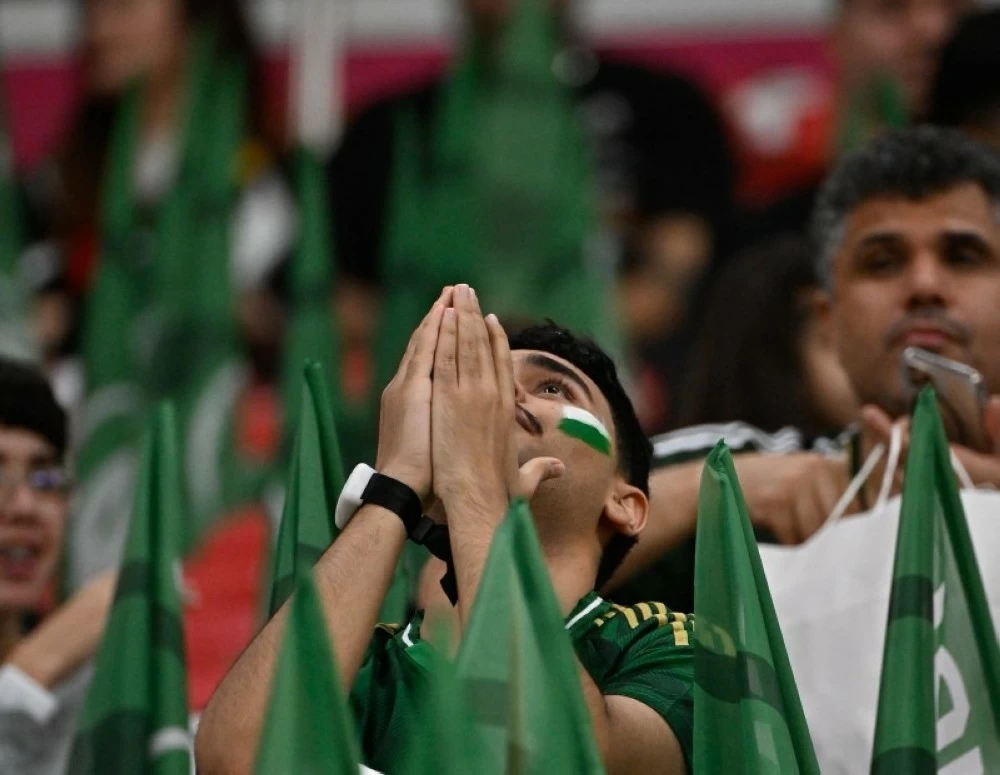
ودّع المنتخب السعودي منافسات كأس العرب بعد خسارته أمام منتخب الأردن، في مباراة كشفت استمرار الصعوبات الفنية التي واجهها «الأخضر» خلال الفترة الأخيرة تحت قيادة المدرب الفرنسي هيرفي رينارد.
وخلال المواجهة، استحوذ المنتخب السعودي على الكرة لفترات أطول، إلا أن هذا الاستحواذ لم يُترجم إلى فرص حقيقية داخل منطقة الجزاء، في ظل غياب الكثافة الهجومية وصعوبة اختراق التنظيم الدفاعي الأردني. في المقابل، اعتمد المنتخب الأردني على انضباط تكتيكي واضح، أغلق المساحات وحدّ من خطورة الهجمات السعودية.
وفي المؤتمر الصحفي عقب المباراة، أشار رينارد إلى أن الفريق واجه مشكلة في التمركز داخل منطقة الجزاء، موضحاً أن اللاعبين لم يتمكنوا من الظهور بالشكل المطلوب داخل الصندوق، نتيجة الإغلاق الدفاعي للمنافس. كما أكد أن المنتخب الأردني نجح في تنفيذ خطته الدفاعية بفاعلية.
وتعكس هذه الخسارة نمطاً تكرر في عدد من مباريات المنتخب خلال الفترة الماضية، إذ واجه صعوبة في التعامل مع المنتخبات التي تعتمد على التكتل الدفاعي والانتقال السريع، رغم توفر عناصر وحلول هجومية في يد رينارد يفترض أنها متفوقة على موازين القوى الفنية وعصارة الخبرة والقيمة السوقية.
وتزامن ذلك مع مزاعم رينارد بتراجع فاعلية بعض اللاعبين الدوليين من حيث عدد دقائق اللعب مع أنديتهم، خصوصاً في المراكز الهجومية، ما انعكس -على حد تبريره- على الجاهزية الفنية خلال الاستحقاقات الدولية، في ظل غياب حلول بديلة واضحة تضمن الاستمرارية والتوظيف الفني المناسب للاعبين المحليين، كما يلمح رينارد في تصريحاته وتبريراته بشكل مستمر.
ويرى متابعون أن تجربة رينارد الثانية مع المنتخب اختلفت عن فترته الأولى، التي اتسمت بوضوح أكبر في الهوية الفنية والاستقرار على عناصر محددة، فيما بدت المرحلة الحالية أقل ثباتاً من حيث الأداء وتنوع الحلول التكتيكية، وحتى من النواحي النفسية والذهنية، إذ ظهر الأخضر أمس دون قتالية بارزة وكبيرة، على عكس خصمه المنتخب الأردني.
ومع اقتراب الاستحقاقين القادمين؛ مونديال 2026 وكأس آسيا 2027، يبرز التساؤل حول قدرة الاتحاد السعودي والجهاز الفني على معالجة الإشكالات الفنية للأخضر، وبناء منظومة أكثر وضوحاً واستقراراً وتخطيطاً، تستفيد من الإمكانات المتاحة في الدوري المحلي المليء بالخبرات العالمية، وتترجمها إلى نتائج ملموسة على مستوى المنافسات القارية والدولية.
The Saudi national team bid farewell to the Arab Cup competition after losing to the Jordanian team, in a match that revealed the ongoing technical difficulties faced by the "Green" under the leadership of French coach Hervé Renard.
During the match, the Saudi team had possession of the ball for longer periods, but this possession did not translate into real opportunities inside the penalty area, due to the lack of offensive density and the difficulty in breaking through the Jordanian defensive organization. In contrast, the Jordanian team relied on clear tactical discipline, closing spaces and limiting the danger of Saudi attacks.
In the press conference following the match, Renard pointed out that the team faced a problem with positioning inside the penalty area, explaining that the players were unable to appear as required within the box, due to the opponent's defensive closure. He also confirmed that the Jordanian team successfully implemented their defensive plan effectively.
This loss reflects a pattern that has recurred in several of the team's matches in the past period, as they struggled to deal with teams that rely on defensive clustering and quick transitions, despite having offensive elements and solutions at Renard's disposal that are supposed to be superior in terms of technical power, experience, and market value.
This coincided with Renard's claims about the decline in the effectiveness of some international players in terms of playing minutes with their clubs, especially in attacking positions, which he justified as affecting their technical readiness during international competitions, in light of the absence of clear alternative solutions that ensure continuity and appropriate technical deployment for local players, as Renard continuously hints in his statements and justifications.
Observers believe that Renard's second experience with the team differs from his first term, which was characterized by greater clarity in technical identity and stability on specific elements, while the current phase appears less stable in terms of performance and diversity of tactical solutions, and even in psychological and mental aspects, as the Green team appeared yesterday without notable and significant fighting spirit, unlike their opponent, the Jordanian team.
With the upcoming challenges of the 2026 World Cup and the 2027 Asian Cup approaching, the question arises about the Saudi Federation and the coaching staff's ability to address the technical issues of the Green team, and to build a more clear, stable, and planned system that benefits from the available capabilities in the local league filled with global experiences, and translates them into tangible results at the continental and international competition levels.