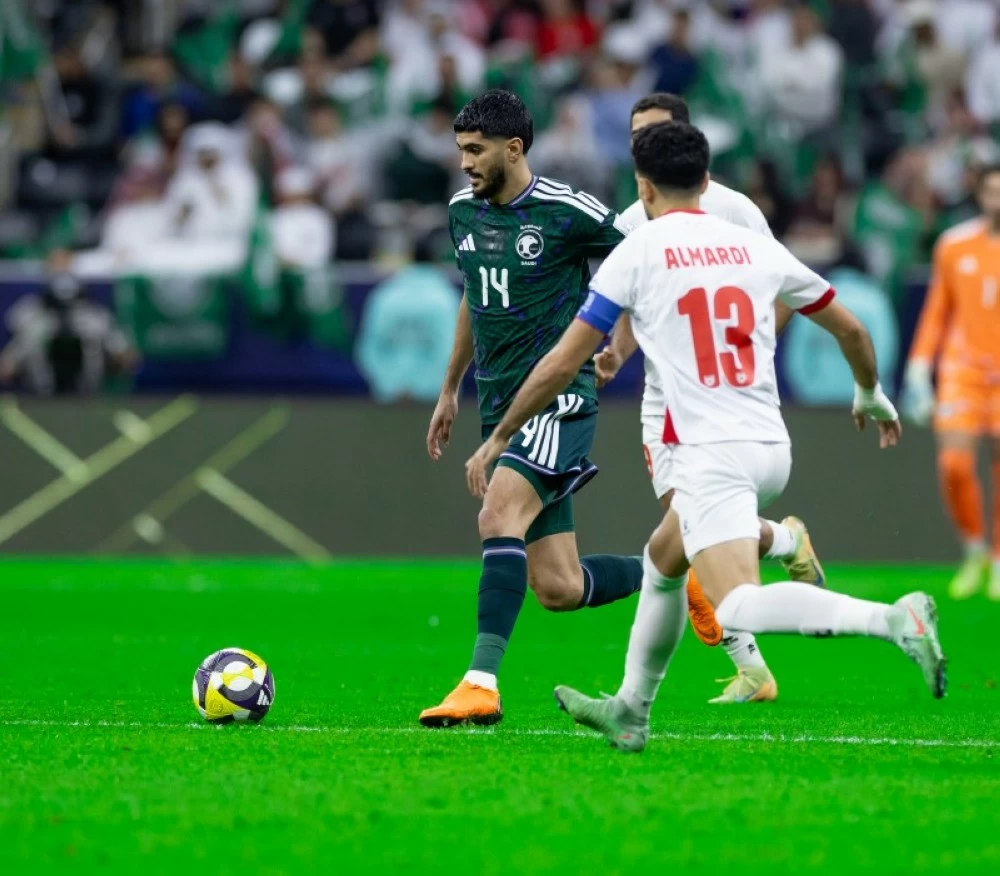
أنهت إسبانيا عام 2025 في صدارة التصنيف العالمي لمنتخبات الرجال الصادر من الاتحاد الدولي لكرة القدم الـ«FIFA»، فيما واصل المنتخب الأردني تقدمه بعد ارتقائه مرتبتين، عقب حلوله وصيفاً في بطولة كأس العرب، فيما احتل المنتخب السعودي المركز 60 عالمياً.
وشهدت نسخة ديسمبر من التصنيف العالمي إقامة 42 مباراة، أبرزها المواجهات التاريخية والمثيرة ضمن منافسات كأس العرب، التي احتضنتها دولة قطر. ورغم تتويج المنتخب المغربي بلقب البطولة الإقليمية بعد فوزه في النهائي الذي أُقيم على ملعب لوسيل، إلا أنه بقي في المركز الـ11 عالمياً دون تغيير، وبفارق ضئيل بلغ 0.54 نقطة فقط عن كرواتيا صاحبة المركز الـ10.
ونجحت إسبانيا في الحفاظ على موقعها في الصدارة، بعد أن انتزعت المركز الأول من الأرجنتين خلال تصنيف سبتمبر، لتُنهي العام في المركز الأول عالمياً، فيما جاءت الأرجنتين في المركز الثاني، وحافظت فرنسا على المركز الثالث. واكتملت قائمة الـ10 الأوائل بكل من إنجلترا رابعة، والبرازيل خامسة، والبرتغال سادسة، وهولندا سابعة، وبلجيكا ثامنة، وألمانيا تاسعة، ثم كرواتيا عاشرة.
ولم تشهد المراكز الـ33 الأولى أي تغييرات تُذكر، في حين لم تتمكن سوى 3 منتخبات من تحسين ترتيبها بأكثر من مركز واحد، يتقدمها المنتخب الأردني الذي صعد إلى المركز 64 عالمياً (+2)، إلى جانب فيتنام التي تقدمت 3 مراكز لتحتل المرتبة 107، وسنغافورة التي صعدت إلى المركز 148 (+3).
وكان منتخب كوسوفو من أبرز مفاجآت عام 2025، بعدما جمع 89.02 نقطة، وهو أعلى رصيد يحققه أي منتخب خلال العام، بفضل 7 انتصارات وتعادلين في 10 مباريات، ليُسجل أكبر قفزة في عدد المراكز خلال الـ12 شهراً الماضية بواقع 19 مركزاً، ويصل إلى المرتبة 80 عالمياً.
كما شهد العام تألق منتخبات أخرى، أبرزها النرويج التي حصدت 68.70 نقطة مع حفاظها على مركزها الـ29، إضافة إلى منتخب سورينام الذي صعد 15 مركزاً مقارنة بتصنيف ديسمبر 2024، فيما حقق 12 منتخباً آخر قفزات راوحت بين 10 و14 مركزاً.
وعلى صعيد التوزيع القاري، حافظت أوروبا على هيمنتها داخل قائمة الـ50 الأوائل بوجود 26 منتخباً، تليها أمريكا الجنوبية بـ7 منتخبات، ثم أفريقيا بـ7 أيضاً، مقابل 5 منتخبات لكل من اتحاد أمريكا الشمالية والوسطى والكاريبي، والاتحاد الآسيوي لكرة القدم، ومنتخب واحد من أوقيانوسيا.
Spain finished the year 2025 at the top of the FIFA world ranking for men's national teams, while the Jordanian national team continued its progress, climbing two places after finishing as the runner-up in the Arab Cup. The Saudi national team ranked 60th globally.
The December edition of the world ranking saw the holding of 42 matches, the most notable being the historic and thrilling encounters in the Arab Cup, hosted by Qatar. Despite Morocco winning the regional championship after its victory in the final held at Lusail Stadium, it remained in 11th place globally without change, with a narrow gap of just 0.54 points behind Croatia in 10th place.
Spain successfully maintained its position at the top after taking first place from Argentina during the September ranking, finishing the year in first place globally, while Argentina came in second and France held on to third place. The top 10 was completed by England in fourth, Brazil in fifth, Portugal in sixth, the Netherlands in seventh, Belgium in eighth, Germany in ninth, and Croatia in tenth.
The top 33 positions saw no significant changes, while only three teams managed to improve their ranking by more than one place, led by the Jordanian team, which rose to 64th globally (+2), along with Vietnam, which advanced three places to rank 107, and Singapore, which climbed to 148th (+3).
Kosovo's national team was one of the biggest surprises of 2025, accumulating 89.02 points, the highest total achieved by any team during the year, thanks to 7 wins and 2 draws in 10 matches. This resulted in the largest jump in rankings over the past 12 months, moving up 19 places to reach 80th globally.
The year also witnessed the brilliance of other teams, most notably Norway, which earned 68.70 points while maintaining its 29th position, in addition to Suriname, which climbed 15 places compared to the December 2024 ranking, while 12 other teams achieved jumps ranging from 10 to 14 places.
In terms of continental distribution, Europe maintained its dominance in the top 50 list with 26 teams, followed by South America with 7 teams, then Africa with 7 as well, while North and Central America and the Caribbean, and the Asian Football Confederation each had 5 teams, and Oceania had one team.