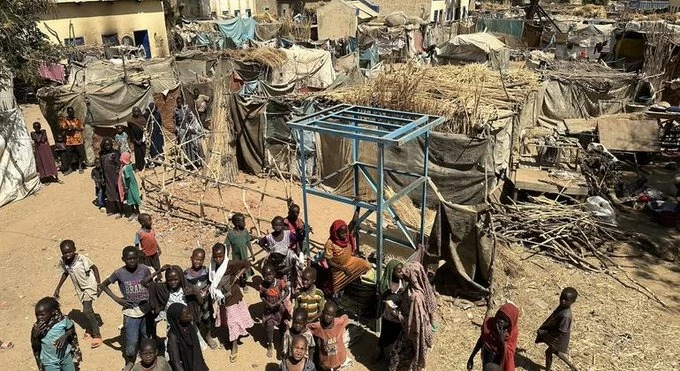
حذرت الأمم المتحدة من تفاقم الأزمة الإنسانية في جنوب السودان، في ظل تصاعد الصراع واتساع موجات النزوح وتدهور الأمن الغذائي، وسط مخاوف من تفشي محتمل لفيروس الإيبولا، في وقت تواجه فيه الاستجابة الصحية والإنسانية تحديات متزايدة.
وقال مكتب الأمم المتحدة لتنسيق الشؤون الإنسانية إن أكثر من 5100 لاجئ وعائد من جمهورية الكونغو الديمقراطية يحتاجون إلى مساعدات إنسانية عاجلة، مشيرا إلى تدهور الأوضاع الأمنية والإنسانية، وتزايد أعداد النازحين واحتياجات السكان المتضررين.
وأضاف المكتب أن استمرار الصراع وتراجع معدلات هطول الأمطار، إلى جانب الضغوط الاقتصادية، عوامل تفاقم انعدام الأمن الغذائي في مناطق متفرقة من البلاد، وتحد من قدرة الأسر على تأمين احتياجاتها الأساسية من الغذاء والخدمات الضرورية.
مخاوف من تفشي الإيبولا
ولا تقف التحديات عند حدود الجوع والنزوح، إذ نبهت الأمم المتحدة إلى وجود ثغرات في الاستعدادات الصحية للتعامل مع تفش محتمل لفيروس الإيبولا، ما يثير مخاوف من اتساع نطاق الأزمة، خصوصا في ظل ضعف الخدمات الصحية ومحدودية الإمكانات المتاحة.
وتواجه المنظمات الإنسانية عقبات تعرقل إيصال المساعدات إلى المحتاجين، أبرزها استمرار انعدام الأمن والقيود البيروقراطية المفروضة على حركة العاملين والإغاثيين، الأمر الذي يزيد صعوبة الوصول إلى المناطق المتضررة من الصراع والنزوح.
سنوات من الصراع وعدم الاستقرار
وتأتي التحذيرات الأممية في وقت لا يزال جنوب السودان يعاني تداعيات سنوات طويلة من الصراع وعدم الاستقرار، منذ استقلاله عن السودان عام 2011، إذ اندلعت حرب أهلية واسعة في ديسمبر 2013 بين القوات الموالية للرئيس سلفا كير والقوات المرتبطة بنائبه السابق رياك مشار، وأسفرت عن سقوط أعداد كبيرة من القتلى ونزوح ملايين الأشخاص.
ورغم توقيع اتفاق السلام المنشط عام 2018 وتشكيل حكومة وحدة وطنية عام 2020، استمرت أعمال العنف المتقطعة والتوترات السياسية والأمنية، فيما لم تنجح جهود التسوية في إنهاء بؤر الصراع أو معالجة التداعيات الاقتصادية والإنسانية المتراكمة.
وشددت الأمم المتحدة على أهمية تعزيز الاستجابة الإنسانية وتسهيل وصول المساعدات إلى المتضررين، محذرة من أن استمرار تداخل الأزمات الأمنية والاقتصادية والمناخية والصحية ينذر باتساع الاحتياجات الإنسانية، ويزيد معاناة السكان في جنوب السودان.
The United Nations has warned of the worsening humanitarian crisis in South Sudan, amidst escalating conflict, increasing waves of displacement, and deteriorating food security, with concerns about a potential outbreak of the Ebola virus, at a time when the health and humanitarian response faces growing challenges.
The UN Office for the Coordination of Humanitarian Affairs stated that more than 5,100 refugees and returnees from the Democratic Republic of the Congo are in urgent need of humanitarian assistance, pointing to the deterioration of security and humanitarian conditions, and the rising number of displaced persons and the needs of affected populations.
The office added that the ongoing conflict and declining rainfall rates, along with economic pressures, are factors exacerbating food insecurity in various regions of the country, limiting families' ability to secure their basic food and essential service needs.
Concerns about Ebola Outbreak
The challenges do not stop at hunger and displacement, as the United Nations has warned of gaps in health preparedness to deal with a potential outbreak of the Ebola virus, raising concerns about the widening scope of the crisis, especially given the weakness of health services and the limited available resources.
Humanitarian organizations face obstacles that hinder the delivery of aid to those in need, primarily the ongoing insecurity and bureaucratic restrictions imposed on the movement of workers and aid providers, which complicates access to areas affected by conflict and displacement.
Years of Conflict and Instability
The UN warnings come at a time when South Sudan continues to suffer the repercussions of many years of conflict and instability, since its independence from Sudan in 2011. A large-scale civil war erupted in December 2013 between forces loyal to President Salva Kiir and those linked to his former deputy Riek Machar, resulting in a significant number of deaths and the displacement of millions of people.
Despite the signing of the revitalized peace agreement in 2018 and the formation of a national unity government in 2020, sporadic violence and political and security tensions have continued, while efforts for resolution have failed to end conflict hotspots or address the accumulated economic and humanitarian repercussions.
The United Nations emphasized the importance of enhancing the humanitarian response and facilitating the delivery of aid to those affected, warning that the continued overlap of security, economic, climate, and health crises threatens to widen humanitarian needs and increases the suffering of the population in South Sudan.