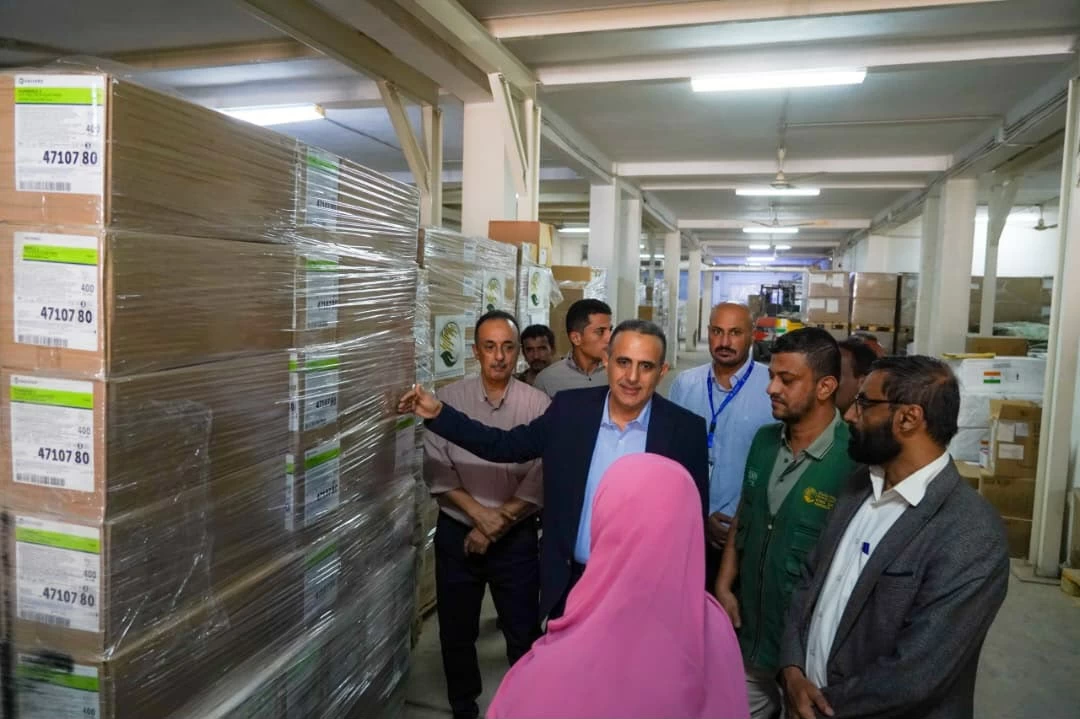
في إطار الدعم السعودي المستمر للشعب اليمني وللقطاع الصحي على وجه الخصوص، أعلن مركز الملك سلمان للإغاثة اليوم (الخميس)، تسليم شحنة أدوية جديدة لوزارة الصحة اليمنية.
وأوضح المركز أن هذا التسليم يهدف إلى تعزيز جاهزية المرافق الصحية للاستجابة للطوارئ، وضمان استمرار تقديم الخدمات الطبية والعلاجية للمرضى بما يسهم في تخفيف معاناة السكان وحماية صحتهم.
وأكد المركز إعادة 140 لاجئاً صومالياً من اليمن إلى بلادهم، بالتعاون مع المفوضية السامية للأمم المتحدة لشؤون اللاجئين، وذلك ضمن مشروع الحماية والمساعدة الإنسانية الموجه لدعم اللاجئين والمتضررين.
صوماليين إلى بلدهم
من جهة أخرى، شاركت المملكة العربية السعودية ممثلة بمساعد المشرف العام على مركز الملك سلمان للإغاثة والأعمال الإنسانية للتخطيط والتطوير الدكتور عقيل بن جمعان الغامدي في اجتماع مجموعة المانحين لدعم مكتب الأمم المتحدة لتنسيق الشؤون الإنسانية (الأوتشا) على مستوى الخبراء، في مدينة جنيف بسويسرا، بمشاركة (30) دولة مانحة وكبار مسؤولي المكتب.
وعرض الغامدي رؤية المملكة تجاه تطوير منظومة العمل الإنساني الدولي، مؤكداً أهمية تعزيز التنسيق بين الجهات الإنسانية والأمم المتحدة، والمواءمة بين الأولويات الإستراتيجية مع الموارد المالية المتاحة وتنويع مصادر الدخل، والاستفادة من المبادرات المجتمعية والآليات التمويلية المبتكرة ومنها تجربة منصة ساهم بالمملكة، وضمان وصول المساعدات إلى الفئات الأكثر احتياجاً.
وأشار الغامدي إلى مؤشرات تقرير الأوتشا الصادر في أكتوبر 2026، الذي أظهر وجود نحو (252.8) مليون شخص بحاجة إلى المساعدة الإنسانية، مقابل استهداف نحو (89.7) مليون شخص ضمن الاستجابة ذات الأولوية، والوصول إلى ما يقارب مليون شخص وفق البيانات التشغيلية الواردة في التقرير.
وعن تطبيق مبادرة الإصلاح الإنساني في الصومال، أكد الغامدي أن البيانات المعروضة بشأن الصومال أظهرت استهداف نحو (1.6) مليون شخص ضمن الاستجابة ذات الأولوية، والوصول إلى قرابة (600) ألف مستفيد، مع تلقي نحو (236.3) مليون دولار دعماً من أصل (350) مليون دولار، محذراً من أهمية دعم المؤسسات الوطنية والمنظمات المحلية في الصومال، وتبني نهجاً يربط بين الأمن الغذائي والمياه والصحة وسبل العيش والحماية، والانتقال من الإغاثة الطارئة إلى التعافي الإنساني التام.
وشدد مساعد المشرف العام على أهمية الاستفادة من التقنيات الحديثة والذكاء الاصطناعي والتحليل الجغرافي في دعم الإنذار المبكر للكوارث الإنسانية وتحديد الأولويات، مع مراعاة حماية البيانات وإشراك المجتمعات المتضررة والجهات المحلية في عمليات التقييم والتخطيط واتخاذ القرار.
وأكد الغامدي ضرورة تعزيز الدبلوماسية الإنسانية والتنسيق الدولي لمعالجة العوائق التي تواجه العمليات الإغاثية، ولا سيما في السودان وقطاع غزة واليمن وسورية، مشدداً على ضرورة حماية المدنيين والعاملين في المجال الإنساني، وتكريس التعاون بين المنظمات الدولية والجهات الإنسانية الوطنية والمحلية.
وناقش الاجتماع التوجهات الإستراتيجية المستقبلية لمكتب تنسيق الشؤون الإنسانية، ومستجدات عملية الوصول الإنساني الدولي، وسبل تعزيز كفاءة الاستجابة الإنسانية في ظل التحديات الإنسانية المتزايدة التي تواجهها المجتمعات.
As part of the ongoing Saudi support for the Yemeni people and the health sector in particular, the King Salman Relief Center announced today (Thursday) the delivery of a new shipment of medicines to the Yemeni Ministry of Health.
The center explained that this delivery aims to enhance the readiness of health facilities to respond to emergencies and ensure the continued provision of medical and therapeutic services to patients, contributing to alleviating the suffering of the population and protecting their health.
The center confirmed the repatriation of 140 Somali refugees from Yemen to their country, in cooperation with the United Nations High Commissioner for Refugees, as part of the protection and humanitarian assistance project aimed at supporting refugees and those affected.
صوماليين إلى بلدهم
On another note, the Kingdom of Saudi Arabia, represented by the Assistant Supervisor General of the King Salman Relief and Humanitarian Action Center for Planning and Development, Dr. Aqeel bin Jumaan Al-Ghamdi, participated in a meeting of the donor group to support the United Nations Office for the Coordination of Humanitarian Affairs (OCHA) at the expert level, in Geneva, Switzerland, with the participation of 30 donor countries and senior officials from the office.
Al-Ghamdi presented the Kingdom's vision for developing the international humanitarian work system, emphasizing the importance of enhancing coordination between humanitarian actors and the United Nations, aligning strategic priorities with available financial resources, diversifying income sources, benefiting from community initiatives and innovative funding mechanisms, including the experience of the Sahim platform in the Kingdom, and ensuring that aid reaches the most vulnerable groups.
Al-Ghamdi referred to the indicators from the OCHA report issued in October 2026, which showed that approximately 252.8 million people are in need of humanitarian assistance, compared to a target of about 89.7 million people within the prioritized response, and reaching nearly one million people according to the operational data contained in the report.
Regarding the implementation of the humanitarian reform initiative in Somalia, Al-Ghamdi confirmed that the data presented about Somalia indicated a target of approximately 1.6 million people within the prioritized response, reaching nearly 600,000 beneficiaries, with around 236.3 million dollars received in support out of 350 million dollars, warning of the importance of supporting national institutions and local organizations in Somalia, adopting an approach that links food security, water, health, livelihoods, and protection, and transitioning from emergency relief to complete humanitarian recovery.
He emphasized the importance of utilizing modern technologies, artificial intelligence, and geographic analysis to support early warning for humanitarian disasters and prioritize needs, while considering data protection and involving affected communities and local entities in assessment, planning, and decision-making processes.
Al-Ghamdi affirmed the necessity of enhancing humanitarian diplomacy and international coordination to address the obstacles facing relief operations, particularly in Sudan, Gaza, Yemen, and Syria, stressing the need to protect civilians and humanitarian workers, and to foster cooperation between international organizations and national and local humanitarian actors.
The meeting discussed the future strategic directions of the Office for the Coordination of Humanitarian Affairs, updates on the international humanitarian access process, and ways to enhance the efficiency of humanitarian responses in light of the increasing humanitarian challenges facing communities.