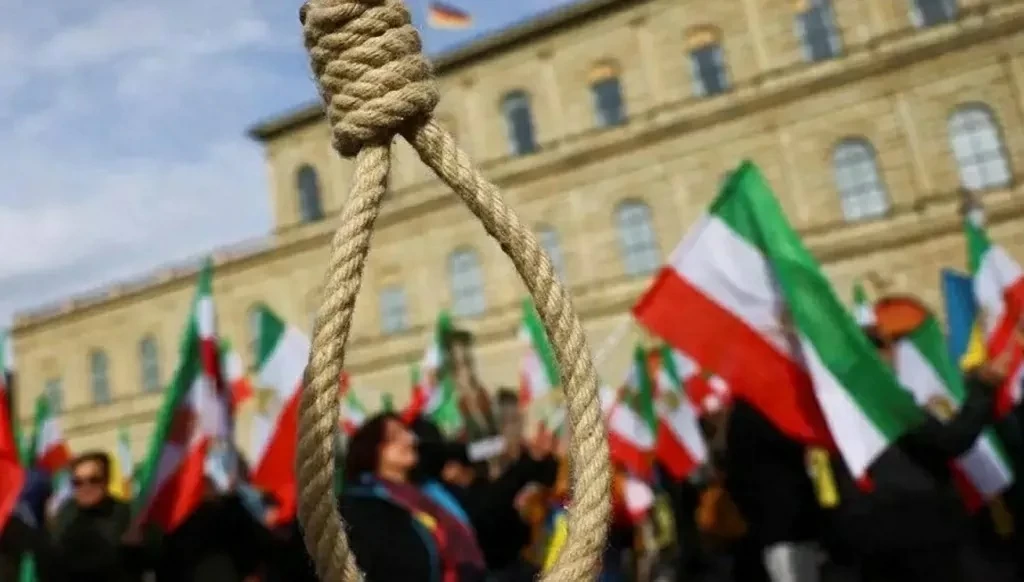
لم تنتظر طهران كثيراً لإغلاق ملف مواجهات الشارع، إذ أعلنت شبكة أخبار الطلبة الإيرانية عن تنفيذ حكم الإعدام بحق رجلين في مدينة مشهد شمال شرق البلاد، بعد إدانتهما بالضلوع في مقتل أربعة من أفراد قوات الأمن خلال احتجاجات يناير الماضي. جاء القرار بعيد تأييد المحكمة العليا الإيرانية للحكمين واستكمال الإجراءات القانونية بسرعة تؤكد من خلالها السلطة القضائية أن أمن النظام خط أحمر لا يقبل المساومة.
هذا التحرك الميداني السريع في مشهد يأتي امتداداً لموجة تصفيات قضائية حادة تشهدها البلاد عقب مواجهات إقليمية، إذ كشفت السلطة القضائية أخيراً إعدام حسين بدران بتهمة تزويد الموساد الإسرائيلي بإحداثيات حساسة لمواقع صاروخية في محافظة أصفهان خلال «حرب الاثني عشر يوماً». ويبرز تسارع هذه الأحكام حالة الاستنفار القصوى داخل أجهزة الأمن الإيرانية للسيطرة على الجبهتين الداخلية والخارجية في آن واحد.
بين الضربات العسكرية المتتالية والتسريبات الاستخباراتية وشبح الغضب الشعبي، رفعت طهران وتيرة الاعتقالات والإعدامات إلى مستويات غير مسبوقة للسيطرة على المشهد بعد رحيل قيادات بارزة. ووفق تقارير المنظمات الدولية وعلى رأسها العفو الدولية، تواصل إيران التربع على صدارة الدول الأكثر استخداماً لقصاص الإعدام عالمياً بعد الصين، مؤكدة أن حبل المشنقة بات الأداة الأكثر حسماً لدى النظام لإغلاق كافة ملفاته العالقة.
Tehran did not wait long to close the file on street confrontations, as the Iranian Student News Network announced the execution of two men in the city of Mashhad in the northeast of the country, after they were convicted of involvement in the killing of four security forces during the protests last January. The decision came shortly after the Iranian Supreme Court upheld the sentences and completed the legal procedures quickly, confirming that the judiciary considers the security of the regime a red line that cannot be compromised.
This rapid field move in Mashhad comes as an extension of a wave of severe judicial purges the country is witnessing following regional confrontations, as the judiciary recently revealed the execution of Hussein Badran on charges of providing the Israeli Mossad with sensitive coordinates of missile sites in Isfahan province during the "Twelve-Day War." The acceleration of these sentences highlights the maximum state of alert within Iranian security agencies to control both the internal and external fronts simultaneously.
Amid consecutive military strikes, intelligence leaks, and the specter of popular anger, Tehran has raised the pace of arrests and executions to unprecedented levels to control the situation after the departure of prominent leaders. According to reports from international organizations, led by Amnesty International, Iran continues to rank at the top of the countries most frequently using the death penalty globally, after China, confirming that the noose has become the regime's most decisive tool to close all its pending files.