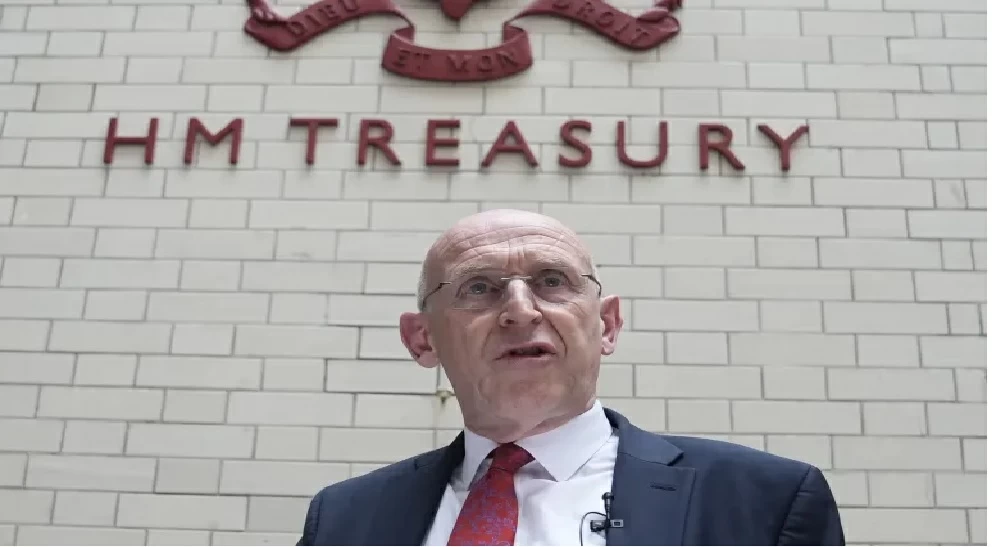
كشفت صحيفة «فايننشال تايمز» أن وزير الخزانة البريطاني جون هيلي سيؤجل زيادة نفقات الدفاع إلى 3% من الناتج المحلي الإجمالي بحلول عام 2030، عندما يقدم أول موازنة له في أكتوبر القادم.
ووسط ضغوط على النفقات العامة للبلاد، أكد هيلي أهمية «الانضباط المالي» لإدارة المالية العامة، إذ بلغت الديون العامة لبريطانيا نحو 3 تريليونات جنيه إسترليني، وفق صحيفة تلغراف.
وكان هيلي استقال من منصبه السابق وزيراً للدفاع في الحكومة التي ترأسها كير ستارمر، احتجاجاً على ضعف مخصصات الدفاع بالنظر إلى الحاجات التمويلية للجيش البريطاني، ثم عاد ليشغل منصب وزير الخزانة في الحكومة الحالية برئاسة آندي بيرنهام.
وطالب هيلي عند استقالته من وزارة الدفاع بالعمل على زيادة النفقات العسكرية إلى 3% من الناتج المحلي الإجمالي، وذلك بهدف رفع هذه النسبة إلى 3.5% بحلول 2035، وهو الهدف الذي ينبغي أن تسعى الدول الأعضاء في حلف شمال الأطلسي (ناتو)، ومنها بريطانيا، إلى تحقيقه، لكنه واجه قرارات صعبة بعد أن أصبح مسؤولاً عن وزارة الخزانة.
وأوضجت «الغارديان» أن هيلي عندما استقال من وزارة الدفاع في يونيو الماضي، اتهم ستارمر بأنه «غير قادر» على الضغط على وزيرة الخزانة حينها راشيل ريفز لزيادة نفقات الدفاع، واتهمها بأنها «ليست لديها الرغبة» في اتخاذ هذا القرار، رغم أهميته لبريطانيا في مواجهة التهديدات من روسيا، حسب رؤيته.
ومع ذلك لم يتمكن هيلي نفسه من تنفيذ ما كان يطالب به ستارمر، ولم يستطع حتى الآن رفع نفقات الجيش بالشكل الذي يرى أنه ضروري للغاية، وسط ضغوط مالية واسعة.
وأفصحت مصادر حكومية لصحيفة «ايننشال تايمز» أن هيلي سيعمل في موازنته القادمة على توفير المعدات الدفاعية اللازمة للجيش، التي تبلغ قيمتها نحو 5 مليارات جنيه إسترليني، وتتطلب زيادة نفقات الدفاع بنحو 1.2 مليار جنيه إسترليني سنوياً على الأقل.لكن باقي النفقات الدفاعية المطلوبة سوف يتم تأجيلها حتى تتم مراجعة شاملة للنفقات العامة من قبل الحكومة البريطانية العام القادم، وفق المصادر التي تحدثت للصحيفة.
ويواجه رئيس الحكوكة بيرنهام ضغوطاً كبيرة بشأن الموازنة القادمة، إذ وصفها هذا الأسبوع بأنها تمثل «تحدياً»، ورفض التعهد برفع النفقات الدفاعية إلى 3% من الناتج المحلي الإجمالي، وهو الموقف نفسه الذي تبناه وزير الدفاع الحالي ويس ستريتينغ.
The Financial Times revealed that British Treasury Secretary John Healey will postpone increasing defense spending to 3% of GDP by 2030, when he presents his first budget next October.
Amid pressure on the country's public spending, Healey emphasized the importance of "fiscal discipline" in managing public finances, as Britain's public debt stands at around £3 trillion, according to the Telegraph.
Healey had previously resigned from his position as Minister of Defense in the government led by Keir Starmer, protesting the inadequate defense allocations considering the funding needs of the British army, before returning to serve as Treasury Secretary in the current government led by Andy Burnham.
When he resigned from the Ministry of Defense, Healey called for military spending to be increased to 3% of GDP, aiming to raise this figure to 3.5% by 2035, a target that NATO member countries, including Britain, should strive to achieve. However, he faced difficult decisions after becoming responsible for the Treasury.
The Guardian clarified that when Healey resigned from the Ministry of Defense last June, he accused Starmer of being "unable" to pressure then-Treasury Secretary Rachel Reeves to increase defense spending, claiming she "lacked the desire" to make this decision, despite its importance for Britain in facing threats from Russia, according to his perspective.
However, Healey himself has not been able to implement what he was demanding from Starmer, and he has not yet managed to raise military spending in the way he sees as absolutely necessary, amid widespread financial pressures.
Government sources told the Financial Times that Healey will work in his upcoming budget to provide the necessary defense equipment for the army, valued at around £5 billion, which requires an increase in defense spending of at least £1.2 billion annually. However, the remaining required defense expenditures will be postponed until a comprehensive review of public spending is conducted by the British government next year, according to the sources who spoke to the newspaper.
Prime Minister Burnham is facing significant pressure regarding the upcoming budget, describing it this week as a "challenge," and he refused to commit to raising defense spending to 3% of GDP, which is the same position adopted by the current Defense Secretary Ben Wallace.