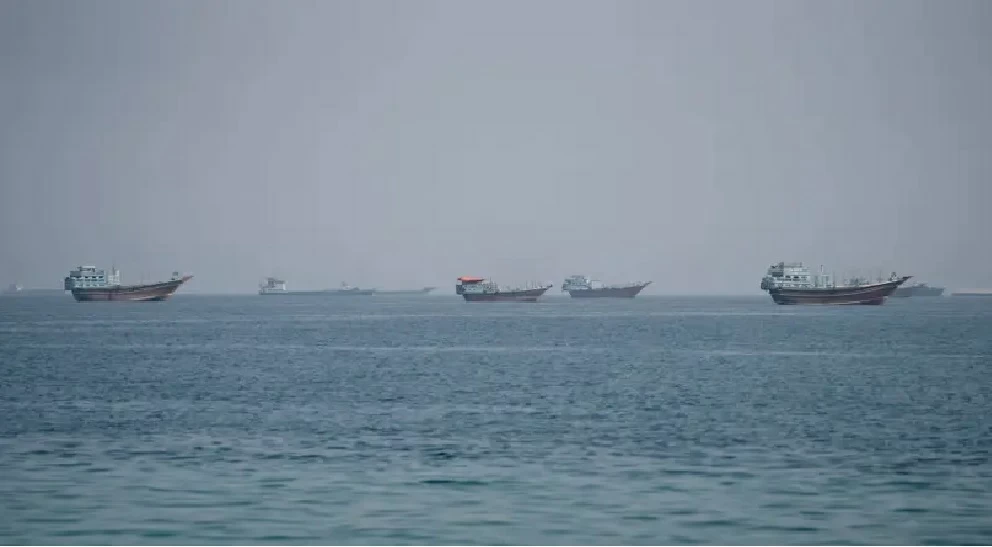
أعلن قائد القيادة المركزية الأمريكية «سنتكوم» الأدميرال براد كوبر، نجاح القوات الأمريكية في إزالة ألغام بحرية من ممرات الشحن الدولية في مضيق هرمز، التي زُرعت قبل أشهر من الحرس الثوري الإيراني.
50 ألف جندي في المنطقة
وقال كوبر في تحديث عملياتي مصوّر على منصة «إكس»، إن الممرات المعترف بها دولياً أصبحت خالية من الألغام البحرية، مضيفاً أن نحو 50 ألف جندي أمريكي يعملون في أنحاء المنطقة، وينفّذون ما وصفه بـ«العمل المميز» في إطار الحصار البحري المفروض على إيران، بالتوازي مع الحفاظ على تدفق حركة الملاحة التجارية عبر مضيق هرمز.
واعتبر أن إزالة الألغام البحرية تمثّل إنجازاً كبيراً للجيش الأمريكي في المضيق، مشيرا إلى أن القوات الأمريكية نفّذت خلال الأشهر الماضية عمليات دقيقة وهادئة لتطهير ممرات الملاحة من تهديد تلك الألغام.
واستعرض كوبر خريطة بحرية لمضيق هرمز والمياه المحيطة به، موضحاً أنها تُستخدم بصورة متكررة من جانب البحارة حول العالم، وتحدد بوضوح نظام فصل حركة المرور البحرية (TSS) المعترف به دولياً.
نظام طرق سريعة للسفن
وأفاد بأن نظام فصل حركة المرور يشبه نظام طرق سريعة للسفن في المحيط، إذ يتضمن خطاً فاصلاً بين ممرات تتحرك فيها السفن في اتجاهات متعاكسة، بما يساعد على إبقاء السفن منفصلة وآمنة أثناء عبورها الممر المائي الضيق.
وأشار المسؤول الأمريكي إلى أن هذه الممرات تمثّل الطرق التي استخدمتها حركة الشحن الدولية تاريخياً لعبور مضيق هرمز، وأن القوات الأمريكية عملت خلال الأشهر الماضية على تطهيرها من تهديد الألغام البحرية.
وكشف أن عمليات إزالة الألغام نفّذتها مجموعة من غواصي البحرية الأمريكية وقوات العمليات الخاصة نيفي سيلز (Navy SEALs)، بدعم من القوات الجوية والبحرية ومشاة البحرية الأمريكية.
ووصف الظروف التي جرت فيها العمليات بأنها كانت صعبة وخطيرة للغاية، لكنه أكد أن القوات الأمريكية أنجزت المهمة. وأكد قائد «سنتكوم» أن ممرات الشحن الدولية مفتوحة حالياً، مضيفاً أن الزخم يتزايد.
إيران لم تصدر أي نفط
وأعلن أن القوات الأمريكية ساعدت خلال الأشهر الماضية نحو 1500 سفينة تجارية على عبور هرمز، من خلال توفير حماية منسقة لها أثناء المرور. وأوضح أن تلك السفن كانت تحمل نحو 750 مليون برميل من النفط الخام المتجه إلى أسواق الطاقة العالمية، واصفاً الكمية بأنها ضخمة.
وأكد أن إيران لم تصدّر أي نفط من ساحلها منذ أن استأنفت الولايات المتحدة الحصار البحري في منتصف يوليو.
وشدد على أن أي سفينة لم تدخل أو تغادر ميناءً إيرانياً دون إذن أمريكي، وأن القوات الأمريكية لم تسمح بالمرور إلا للسفن التي تستند إلى أسباب إنسانية.
وقال كوبر إن آلاف العسكريين الأمريكيين، الذين يعملون على متن أكثر من 20 سفينة حربية ومئات الطائرات، حافظوا منذ استئناف الحصار على نجاح المهمة.
وأكد أن القوات الأمريكية أجبرت 75 سفينة على العودة بعدما حاولت تجاوز الحصار، بينما عطّلت ثلاث سفن لم تمتثل لتوجيهات القوات الأمريكية.
The commander of the U.S. Central Command, Admiral Brad Cooper, announced the success of American forces in removing naval mines from international shipping lanes in the Strait of Hormuz, which were planted months ago by the Iranian Revolutionary Guard.
50,000 Soldiers in the Region
Cooper stated in an operational update video on the platform "X" that the internationally recognized lanes are now free of naval mines, adding that about 50,000 American soldiers are operating throughout the region, carrying out what he described as "remarkable work" as part of the maritime blockade imposed on Iran, while simultaneously maintaining the flow of commercial shipping through the Strait of Hormuz.
He considered the removal of the naval mines a significant achievement for the U.S. military in the strait, noting that American forces have conducted precise and quiet operations over the past months to clear the shipping lanes of the threat posed by those mines.
Cooper showcased a nautical map of the Strait of Hormuz and the surrounding waters, explaining that it is frequently used by sailors around the world and clearly delineates the internationally recognized Traffic Separation Scheme (TSS).
A Highway System for Ships
He reported that the Traffic Separation Scheme resembles a highway system for ships in the ocean, as it includes a dividing line between lanes where ships move in opposite directions, helping to keep vessels separate and safe while transiting the narrow waterway.
The American official pointed out that these lanes represent the routes historically used by international shipping to cross the Strait of Hormuz, and that American forces have worked over the past months to clear them of the threat of naval mines.
He revealed that the mine removal operations were carried out by a group of U.S. Navy divers and Navy SEALs, supported by the U.S. Air Force, Navy, and Marine Corps.
He described the conditions under which the operations took place as very difficult and dangerous, but he confirmed that the American forces accomplished the mission. The "Centcom" commander affirmed that the international shipping lanes are currently open, adding that momentum is increasing.
Iran Has Not Exported Any Oil
He announced that American forces have assisted around 1,500 commercial ships in crossing Hormuz over the past months by providing coordinated protection during their passage. He explained that those ships were carrying about 750 million barrels of crude oil heading to global energy markets, describing the quantity as massive.
He confirmed that Iran has not exported any oil from its coast since the U.S. resumed the maritime blockade in mid-July.
He emphasized that no ship has entered or left an Iranian port without U.S. permission, and that American forces have only allowed passage for ships based on humanitarian grounds.
Cooper stated that thousands of American military personnel, operating on more than 20 warships and hundreds of aircraft, have maintained the success of the mission since the resumption of the blockade.
He confirmed that American forces forced 75 ships to turn back after they attempted to breach the blockade, while three ships that did not comply with U.S. directives were disabled.