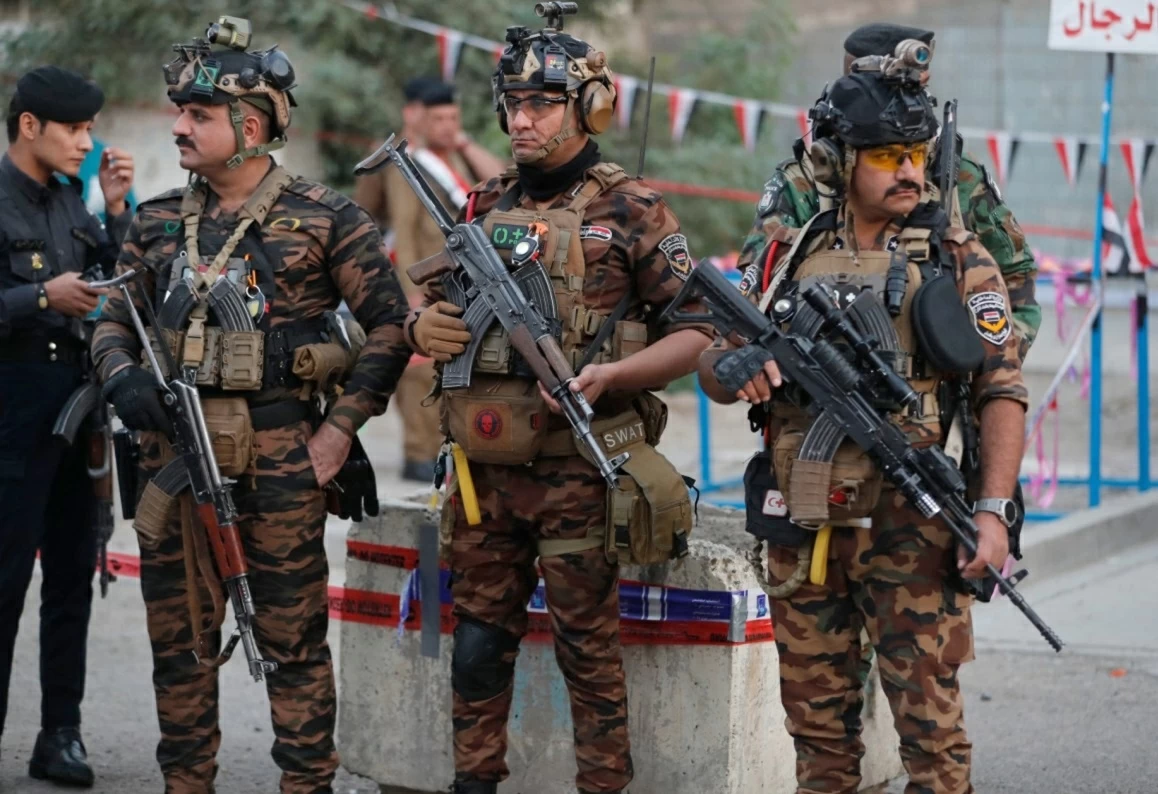
يشهد العراق تحولات مثيرة في ملف حصر السلاح بيد الدولة، الذي تنتهي مهلته في 30 سبتمبر القادم، وسط تلميحات من الفصائل المسلحة بعدم الخضوع لقرار الدولة بتسليم ترسانتها العسكرية.
وكشف مصدر في الإطار التنسيقي، أمس (الأربعاء)، تقديم زعامات شيعية بارزة حزمة مقترحات إلى قيادات الفصائل المسلحة لاحتواء التصعيد مع رئيس الوزراء علي فالح الزيدي، تتضمن استبدال مفهوم «نزع السلاح» بصيغة «إدارة السلاح»، وإخضاع استخدامه لأوامر القائد العام للقوات المسلحة، إلى جانب الفصل زمنياً بين انسحاب القوات الأمريكية وبدء تطبيق ترتيبات حصر السلاح.
وقال المصدر إن «قيادات فاعلة ومؤثرة في الإطار التنسيقي، من بينها رئيس ائتلاف دولة القانون نوري المالكي، ورئيس تيار الحكمة عمار الحكيم، وزعيم منظمة بدر هادي العامري، قدمت أكثر من مقترح لقيادات الفصائل في محاولة لحلحلة التصعيد الأخير بينها وبين رئيس الوزراء علي الزيدي، ولا سيما كتائب حزب الله وحركة النجباء».
وأوضح أن «أبرز المقترحات يقوم على الانتقال من مفهوم نزع السلاح إلى إدارة السلاح، بحيث يخضع أي استخدام له لأوامر القائد العام للقوات المسلحة، بما يضمن عدم تحرك أي جهة عسكرياً خارج قرار الدولة».
وأضاف المصدر أن المقترحات تتضمن كذلك «اعتماد فاصل زمني بين موعد انسحاب القوات الأمريكية من قواعدها في العراق، وفق الاتفاق الأمني المبرم بين بغداد وواشنطن، وبين موعد البدء بإجراءات حصر أو إدارة السلاح»، مبيناً أن هذا الفصل يراد منه تحقيق «توازن في المواعيد والالتزامات ومنح الأطراف ضمانات متبادلة».
وأشار إلى أن المقترحات وصلت بالفعل إلى قيادات الفصائل المعنية، وأن القوى التي طرحتها تنتظر ردها، لافتاً إلى أنه «في حال عدم قبولها، فإن الإطار التنسيقي قد يتجه إلى عقد اجتماع استثنائي لبحث خيارات وحلول أخرى».
ورجح المصدر في الوقت نفسه أن تحظى المقترحات بقبول لدى الفصائل، نظراً إلى أنها «صدرت عن زعامات مؤثرة تسعى إلى منع الانزلاق نحو مواجهة داخلية والوصول إلى صيغة تحفظ سلطة الدولة وتجنب البلاد التصعيد».
وتأتي هذه التحركات بالتزامن مع مباشرة لجنة خاصة شكلها الإطار التنسيقي، وتضم العامري والحكيم، اتصالاتها واجتماعاتها مع الفصائل الرافضة لتسليم سلاحها، بهدف التوسط بينها وبين الزيدي وفريقه الحكومي المكلف بملف حصر السلاح، والتوصل إلى آليات تحول دون انتقال الخلاف السياسي إلى مواجهة ميدانية.
وكان ائتلاف دولة القانون بزعامة المالكي قد طرح في وقت سابق مقترحاً يقضي بفصل موعد انسحاب القوات الأمريكية عن ملف حصر السلاح بفترة زمنية انتقالية؛ قال مصدر في الإطار التنسيقي إنه يهدف إلى منح الفصائل «رسائل اطمئنان وثقة».
ويأتي التحرك السياسي عقب تصاعد حدة الخطاب بين الحكومة وكتائب حزب الله، التي لوحت أخيراً بالرد على ما وصفته بإجراءات حكومية «استفزازية»، ووضعت شروطاً لأي تفاهم بشأن سلاح الفصائل، في مقدمتها الانسحاب الكامل للقوات الأمريكية وضمان عدم عودتها.
وفي المقابل، جددت الرئاسات الأربع في اجتماعها يوم الإثنين الماضي التمسك بحصر السلاح بيد الدولة، فيما سبق لائتلاف إدارة الدولة أن حدد 30 سبتمبر القادم سقفاً لإنهاء النشاط المسلح خارج المؤسسات الرسمية، محذراً من التعامل مع أي نشاط مسلح بعد ذلك التاريخ وفق القانون.
ويتزامن موعد 30 سبتمبر مع استكمال المرحلة الأخيرة من إنهاء مهمة التحالف الدولي في العراق، وفق الاتفاق العراقي الأمريكي، وهو التزام تستخدمه الفصائل المتمسكة بسلاحها أساساً للمطالبة بإنهاء الوجود العسكري الأجنبي قبل الانتقال إلى بحث مستقبل قدراتها المسلحة.
ولا تزال مواقف الفصائل من الملف متباينة، إذ تتمسك كتائب حزب الله وحركة النجباء وكتائب سيد الشهداء بقدراتها العسكرية، فيما أبدت فصائل أخرى استعداداً لتنظيم علاقتها العسكرية والأمنية مع الدولة.
Iraq is witnessing exciting transformations in the file of weapon control in the hands of the state, which has a deadline of September 30th, amid hints from armed factions of not complying with the state's decision to hand over their military arsenal.
A source in the coordinating framework revealed yesterday (Wednesday) that prominent Shiite leaders presented a package of proposals to the leadership of the armed factions to contain the escalation with Prime Minister Ali Falah Al-Zaydi, which includes replacing the concept of "disarmament" with the phrase "weapon management," and subjecting its use to the orders of the Commander-in-Chief of the Armed Forces, in addition to temporally separating the withdrawal of American forces from the start of implementing the arrangements for weapon control.
The source stated that "effective and influential leaders in the coordinating framework, including the head of the State of Law Coalition Nouri Al-Maliki, the head of the Wisdom Movement Ammar Al-Hakim, and the leader of the Badr Organization Hadi Al-Amiri, presented more than one proposal to the leadership of the factions in an attempt to resolve the recent escalation between them and Prime Minister Ali Al-Zaydi, particularly with the Hezbollah Brigades and the Al-Nujaba Movement."
He explained that "the most prominent proposals are based on transitioning from the concept of disarmament to weapon management, so that any use of it is subject to the orders of the Commander-in-Chief of the Armed Forces, ensuring that no party moves militarily outside the state's decision."
The source added that the proposals also include "establishing a time gap between the date of the withdrawal of American forces from their bases in Iraq, according to the security agreement concluded between Baghdad and Washington, and the date of starting the procedures for weapon control or management," indicating that this separation aims to achieve "balance in dates and commitments and provide mutual guarantees to the parties."
He pointed out that the proposals have indeed reached the leadership of the concerned factions, and that the forces that proposed them are awaiting their response, noting that "if they are not accepted, the coordinating framework may move towards holding an extraordinary meeting to discuss other options and solutions."
The source also suggested that the proposals are likely to be accepted by the factions, as they "come from influential leaders seeking to prevent slipping into internal confrontation and reaching a formula that preserves the authority of the state and avoids escalation in the country."
These movements come concurrently with the initiation of a special committee formed by the coordinating framework, which includes Al-Amiri and Al-Hakim, to conduct communications and meetings with the factions refusing to hand over their weapons, aiming to mediate between them and Al-Zaydi and his government team responsible for the weapon control file, and to reach mechanisms that prevent the political dispute from escalating into a field confrontation.
The State of Law Coalition, led by Al-Maliki, had previously proposed a plan to separate the timing of the withdrawal of American forces from the weapon control file with a transitional period; a source in the coordinating framework stated that it aims to provide the factions with "messages of reassurance and confidence."
This political move follows an escalation in rhetoric between the government and the Hezbollah Brigades, which recently threatened to respond to what it described as "provocative" government actions, and set conditions for any understanding regarding the factions' weapons, primarily the complete withdrawal of American forces and ensuring their non-return.
In contrast, the four presidencies renewed their commitment to weapon control in the hands of the state during their meeting last Monday, while the State Administration Coalition had previously set September 30th as a deadline to end armed activity outside official institutions, warning against dealing with any armed activity after that date according to the law.
The date of September 30 coincides with the completion of the final phase of ending the mission of the international coalition in Iraq, according to the Iraqi-American agreement, which is a commitment that the factions holding onto their weapons use primarily to demand the end of foreign military presence before moving on to discuss the future of their armed capabilities.
Positions among the factions regarding the file remain varied, as the Hezbollah Brigades, Al-Nujaba Movement, and Sayyid Al-Shuhada Brigades cling to their military capabilities, while other factions have shown readiness to organize their military and security relations with the state.