استنكرت مصر تصريحات منسوبة لوزير المياه والطاقة الإثيوبي بشأن خطط بناء سدود إضافية على نهر النيل والسيطرة على تدفقات المياه إلى دولتي المصب، مصر والسودان، ووصفت تلك التصريحات بأنها انتهاك للقانون الدولي.
ونقلت وكالة أنباء الشرق الأوسط المصرية اليوم (الأحد) عن مصدر مسؤول قوله: «إن تلك التصريحات تعكس استمرار أوهام أديس أبابا بإمكانية فرض الهيمنة على نهر دولي مشترك وإخضاعه لإرادة دولة واحدة».
وأضاف المصدر: «هذه التصريحات تسقط مجدداً الادعاءات الإثيوبية المتكررة بأن تحركاتها تستهدف التنمية دون الإضرار بالآخرين، إذ إن الإعلان صراحة عن السعي إلى السيطرة على تدفقات نهر دولي إلى دولتي المصب يكشف توجهاً بالغ الخطورة لا يستهدف تحقيق التنمية المشروعة بقدر ما يعكس محاولة لفرض الأمر الواقع واحتكار مورد مائي دولي مشترك واستخدام الموقع الجغرافي لتهديد الحقوق والمصالح المائية لدولتي المصب، وهو ما لا يقره القانون الدولي، ولن تسمح مصر بفرضه كأمر واقع».
وأشار المصدر إلى أن «نهر النيل ليس ملكاً لدولة بعينها، وأن أوهام السيطرة عليه أو التحكم المنفرد في تدفقاته تتعارض بصورة صارخة مع القواعد المستقرة للقانون الدولي الحاكمة للأنهار الدولية المشتركة، وفي مقدمتها عدم الإضرار، والتشاور والتوافق والتعاون بحسن نية، واحترام حقوق ومصالح باقي دول الحوض».
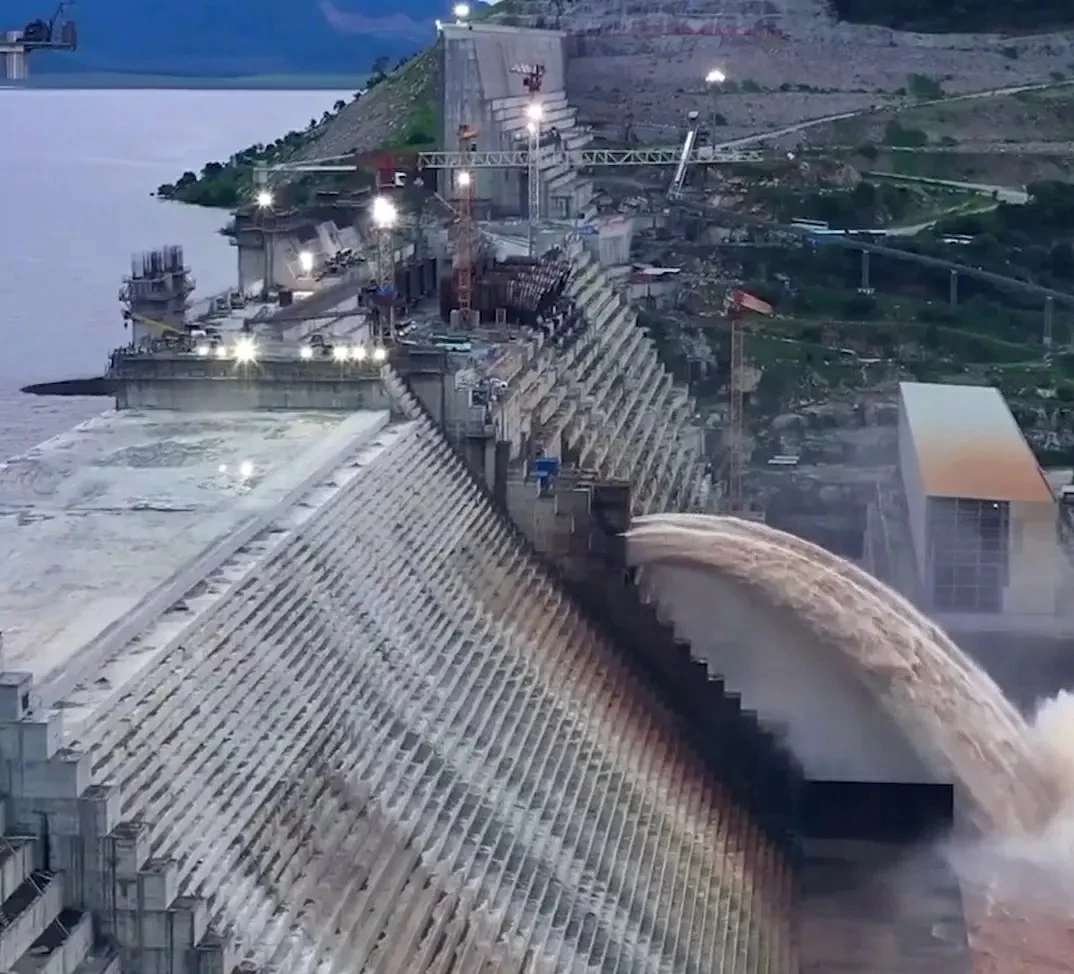
وكانت مصر قد انتقدت (الجمعة) «التصرفات الأحادية المتهورة من جانب إثيوبيا في إدارة سد النهضة»، معتبرة أن تصرفاتها تمثل تهديداً مباشراً لدول المصب.
وأشارت إلى أنها أبلغت في خطاباتها إلى مجلس الأمن الدولي أنها ستتخذ كافة التدابير المكفولة لها بموجب القانون الدولي لحماية حقوق ومقدرات شعبها في نهر النيل، مؤكدة أن أدوات الدولة المصرية متعددة ومتشعبة وقادرة على النفاذ والدفاع عن مصالح الشعب المصري في نهر النيل، وأن «مصر لن تقبل ولن تسمح بسيطرة أي أطراف على تدفقات المياه إلى دول المصب».
وكان وزير المياه والطاقة الإثيوبي هابتامو إيتيفا دعا خلال حوار مع وكالة الأنباء الإثيوبية الرسمية إلى بناء سدود إضافية على نهر النيل الأزرق ضمن خطط بلاده للتحول إلى مركز لتصدير الطاقة الكهرومائية للدول المجاورة بعد الانتهاء من سد النهضة، معتبراً أنه عند إقامة تلك السدود تستطيع أديس أبابا السيطرة على تدفق المياه إلى دول المصب.
وقال وزير المياه والطاقة الإثيوبي إن «مستقبل إثيوبيا لا ينفصل عن نهر (أباي) والبحر الأحمر، حيث يعمل كلاهما كركائز إستراتيجية للتنمية الوطنية والاتصال الإقليمي»، واصفاً نهر أباي (النيل الأزرق) والبحر الأحمر بأنهما مسطحان مائيان شكلا تاريخ إثيوبيا وأثرا على ديناميكيات القوة الإقليمية، وما زالا يحددان المسار الاقتصادي والاستراتيجي للبلاد. وأضاف: «يجب فهم ذلك في سياق تاريخي واقتصادي وجيوسياسي أوسع بكثير».
Egypt condemned statements attributed to the Ethiopian Minister of Water and Energy regarding plans to build additional dams on the Nile River and control water flows to the downstream countries, Egypt and Sudan, describing those statements as a violation of international law.
The Egyptian Middle East News Agency reported today (Sunday) that a responsible source said: "These statements reflect Addis Ababa's continued delusions of being able to impose dominance over a shared international river and subject it to the will of a single state."
The source added: "These statements once again undermine the repeated Ethiopian claims that its actions target development without harming others, as the explicit announcement of the intention to control the flows of an international river to the downstream countries reveals a dangerously misguided approach that does not aim to achieve legitimate development but rather reflects an attempt to impose a fait accompli and monopolize a shared international water resource, using geographic positioning to threaten the water rights and interests of the downstream countries, which is not recognized by international law, and Egypt will not allow it to be imposed as a fait accompli."
The source pointed out that "the Nile River is not owned by any specific country, and the delusions of controlling it or unilaterally managing its flows starkly contradict the established rules of international law governing shared international rivers, foremost among them the principles of not causing harm, consultation, consensus, cooperation in good faith, and respecting the rights and interests of the other basin countries."
Egypt had criticized (on Friday) "the reckless unilateral actions by Ethiopia in managing the Grand Ethiopian Renaissance Dam," considering that its actions represent a direct threat to the downstream countries.
It indicated that it had informed the United Nations Security Council in its letters that it would take all measures guaranteed to it under international law to protect the rights and capabilities of its people in the Nile River, affirming that the tools of the Egyptian state are diverse and capable of defending the interests of the Egyptian people in the Nile, and that "Egypt will not accept or allow any parties to control the water flows to the downstream countries."
The Ethiopian Minister of Water and Energy, Habtamu Itefa, called during an interview with the official Ethiopian News Agency for the construction of additional dams on the Blue Nile as part of his country's plans to become a hub for exporting hydropower to neighboring countries after completing the Grand Ethiopian Renaissance Dam, considering that once those dams are established, Addis Ababa can control the water flow to the downstream countries.
The Ethiopian Minister of Water and Energy stated that "Ethiopia's future is inseparable from the Abay River and the Red Sea, as both serve as strategic pillars for national development and regional connectivity," describing the Abay River (Blue Nile) and the Red Sea as water bodies that shaped Ethiopia's history and influenced regional power dynamics, and continue to determine the economic and strategic path of the country. He added: "This must be understood in a much broader historical, economic, and geopolitical context."