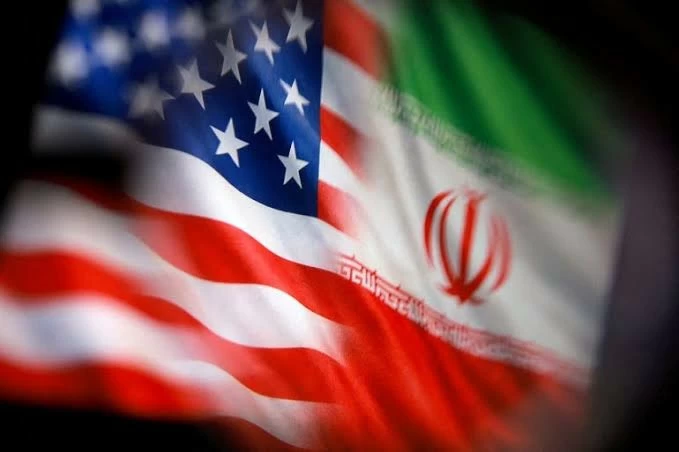
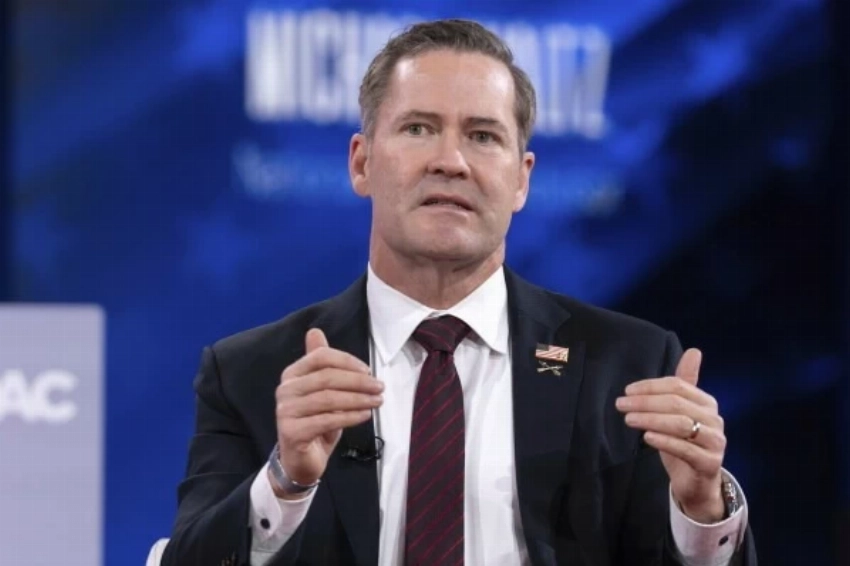
قال السفير الأمريكي لدى الأمم المتحدة مايك والتز إن إيران تخشى تداعيات الضغوط الاقتصادية الأمريكية أكثر من الضغوط العسكرية، مشيراً إلى أن طهران تركز، خلال الاتصالات مع المفاوضين الأمريكيين، على مسألة الأموال والأصول المجمدة.
وأوضح والتز، في مقابلة مع شبكة «فوكس نيوز»، أن المسؤولين الإيرانيين، وفق تقييمه، يركزون في أي مباحثات على الحصول على الأموال والوصول إلى الأصول الإيرانية المجمدة، معتبراً أن الضغط الاقتصادي، إلى جانب الحصار، يمثلان أداتين رئيسيتين لدفع طهران إلى تقديم تنازلات.
وأضاف أن إيران، بحسب وصفه، قادرة على تحمل الضربات العسكرية، بينما ترى أن الأزمة الاقتصادية تمثل ضغطاً أكثر صعوبة على الحكومة الإيرانية.
الأموال والأصول المجمدة في صدارة المفاوضات
وأشار والتز إلى أن الجانب الإيراني يركز، خلال الاتصالات مع المفاوضين الأمريكيين، على مسألة السيولة المالية وإمكانية الوصول إلى الأصول التي جمدتها الولايات المتحدة.
وتأتي هذه التصريحات في وقت تتواصل فيه الضغوط الأمريكية على الاقتصاد الإيراني، بالتزامن مع محاولات لإبقاء قنوات التفاوض مفتوحة بصورة غير مباشرة.
وكان الرئيس الأمريكي دونالد ترمب قد أكد، في مقابلة مع «أكسيوس» الأحد، أن إدارته تتعامل مع الملف الإيراني بأسلوب وصفه بأنه منخفض الحدة، مشيراً إلى أن واشنطن تراقب تداعيات التضخم ونقص السيولة على الاقتصاد الإيراني.
ترمب: نراقب الوضع الاقتصادي في إيران
وقال ترمب إن الولايات المتحدة «تتفاوض بشكل شبه جزئي» مع إيران، موضحاً أن التركيز حالياً ينصب على متابعة الوضع الاقتصادي في البلاد، خصوصاً مع ارتفاع معدلات التضخم وتراجع قدرتها المالية.
وتعكس تصريحات ترمب توجهاً أمريكياً للرهان على استمرار الضغوط الاقتصادية بدلاً من الانتقال فوراً إلى جولة عسكرية جديدة، في ظل استمرار حالة التوتر بين واشنطن وطهران.
وبحسب مسؤول أمريكي تحدث إلى «أكسيوس»، فإن طهران تستطيع خلال فترة القتال تأجيل التعامل مع التداعيات الاقتصادية للصراع، لكن توقف الضربات يجعلها مضطرة بصورة أكبر إلى مواجهة المشكلات الاقتصادية المتراكمة، في وقت لا تبدو فيه حلول سهلة متاحة أمامها.
ضغوط اقتصادية ومفاوضات غير مباشرة
وتتزامن هذه التطورات مع استمرار الخلافات بين واشنطن وطهران بشأن عدد من الملفات، من بينها العقوبات والأصول الإيرانية المجمدة والوضع في مضيق هرمز.
وكانت إيران قد ربطت إعادة فتح المضيق، وفق تصريحات نقلتها «رويترز»، بتلبية الولايات المتحدة عدداً من المطالب، بينها التعويض عن الأضرار الناجمة عن الضربات، ورفع العقوبات، وإنهاء التهديدات العسكرية، وإزالة الحصار البحري، والإفراج عن الأصول الإيرانية المجمدة.
وفي المقابل، تواصل واشنطن استخدام الضغط الاقتصادي والعقوبات كإحدى أبرز أدواتها في التعامل مع طهران، بينما تستمر الاتصالات غير المباشرة بين الطرفين عبر وسطاء، وسط ترقب لما ستؤول إليه المفاوضات والضغوط المتبادلة خلال المرحلة القادمة.
The U.S. Ambassador to the United Nations, Mike Walters, stated that Iran fears the consequences of U.S. economic pressures more than military pressures, noting that Tehran is focusing, during communications with U.S. negotiators, on the issue of frozen funds and assets.
Walters explained, in an interview with Fox News, that Iranian officials, in his assessment, focus in any discussions on obtaining funds and accessing frozen Iranian assets, considering that economic pressure, along with the blockade, represent two key tools to push Tehran to make concessions.
He added that Iran, as he described, is capable of enduring military strikes, while it sees the economic crisis as a more difficult pressure on the Iranian government.
Frozen Funds and Assets at the Forefront of Negotiations
Walters pointed out that the Iranian side focuses, during communications with U.S. negotiators, on the issue of financial liquidity and the possibility of accessing assets that the United States has frozen.
These statements come at a time when U.S. pressures on the Iranian economy continue, alongside attempts to keep channels of negotiation indirectly open.
U.S. President Donald Trump had confirmed, in an interview with Axios on Sunday, that his administration is handling the Iranian file in a manner he described as low-key, noting that Washington is monitoring the impacts of inflation and liquidity shortages on the Iranian economy.
Trump: We are Monitoring the Economic Situation in Iran
Trump stated that the United States is "partially negotiating" with Iran, explaining that the current focus is on monitoring the economic situation in the country, especially with rising inflation rates and declining financial capacity.
Trump's statements reflect an American tendency to bet on the continuation of economic pressures instead of immediately transitioning to a new military round, amid ongoing tensions between Washington and Tehran.
According to an American official who spoke to Axios, Tehran can, during periods of fighting, postpone dealing with the economic repercussions of the conflict, but a halt in strikes makes it more compelled to confront the accumulated economic problems, at a time when easy solutions do not seem available to it.
Economic Pressures and Indirect Negotiations
These developments coincide with ongoing disagreements between Washington and Tehran over several files, including sanctions, frozen Iranian assets, and the situation in the Strait of Hormuz.
Iran had linked the reopening of the strait, according to statements reported by Reuters, to the United States meeting several demands, including compensation for damages caused by strikes, lifting sanctions, ending military threats, removing the maritime blockade, and releasing frozen Iranian assets.
In contrast, Washington continues to use economic pressure and sanctions as one of its main tools in dealing with Tehran, while indirect communications between the two sides continue through intermediaries, amid anticipation of what the negotiations and mutual pressures will lead to in the upcoming phase.